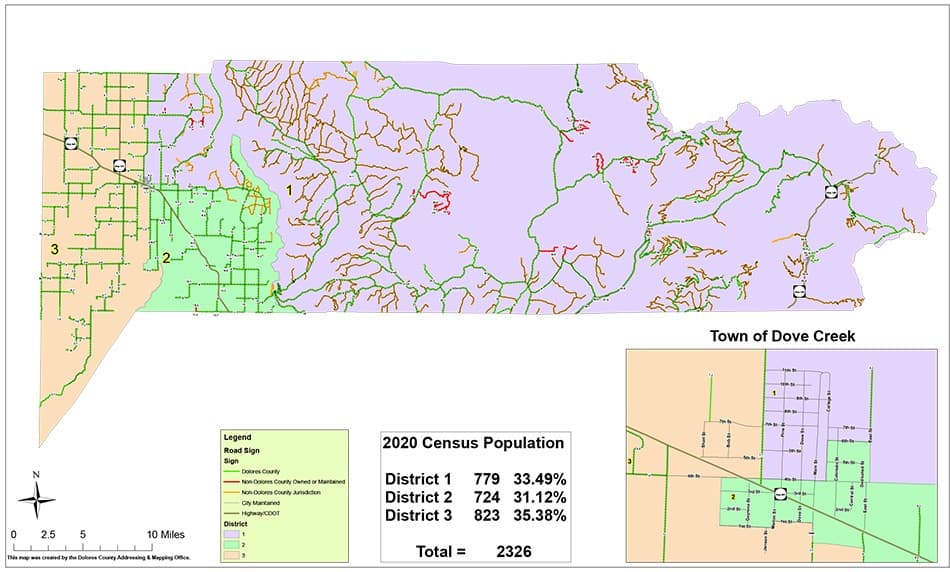
Dolores County courthouse started as Dove Creek's oldest commercial building
A 1914 Dove Creek store became Dolores County’s courthouse after the seat moved from Rico, turning a commercial landmark into the county’s temporary civic center.
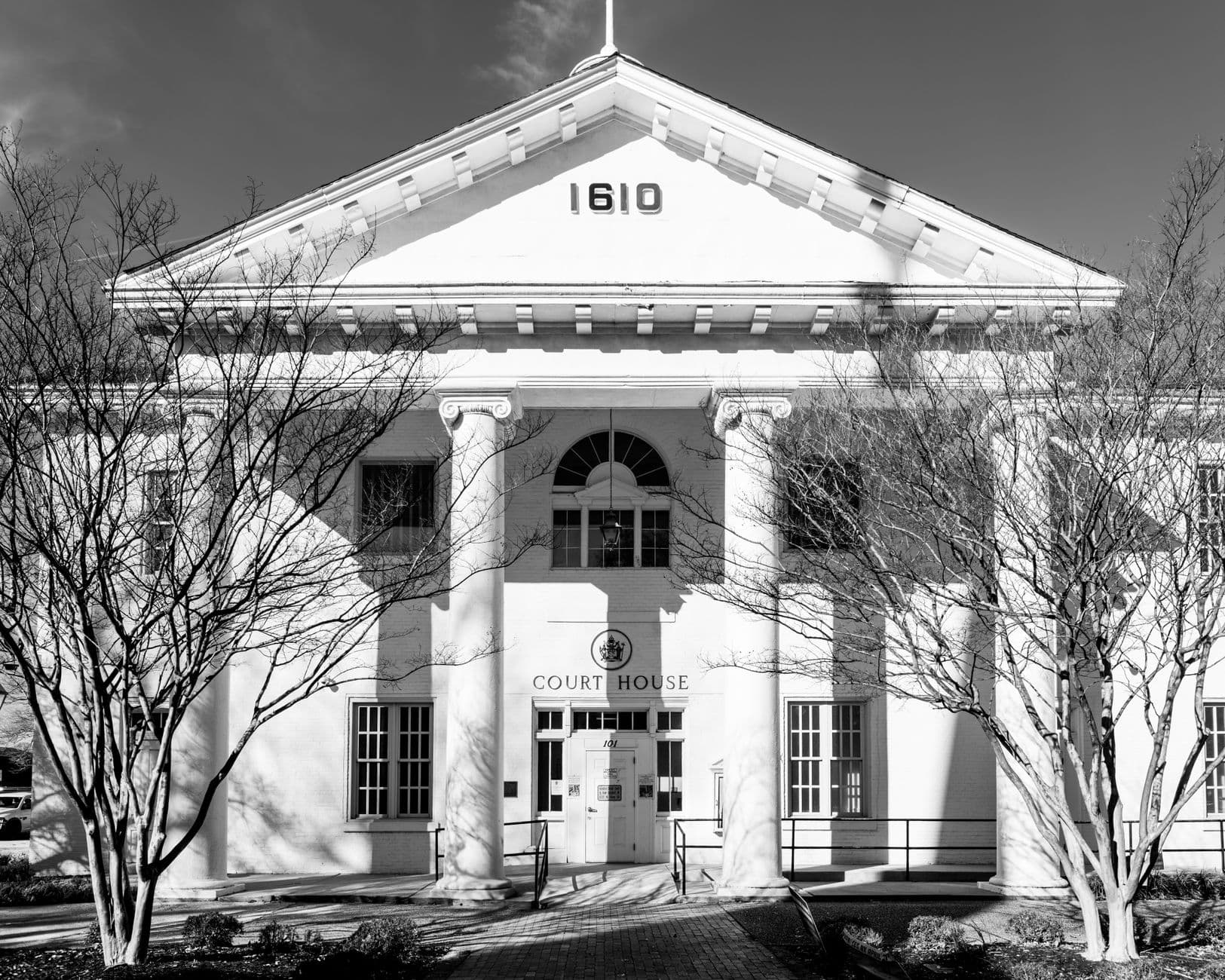
The building at 101 West Highway 666 in Dove Creek began as a general store and residence, then became the place where Dolores County handled its business after the county seat moved south from Rico. That turn made the P. R. Butt & Sons Building more than an old storefront. It became the practical symbol of how the county’s political center, commercial life and daily routines followed the west side of Dolores County.
A store that carried Dove Creek’s early history
History Colorado dates the building to 1914 and describes it as the town’s oldest extant commercial building. Most local histories agree it was the second building constructed in Dove Creek, which places it at the center of the town’s earliest visible growth. It was built for mixed use, with a general store and a residence under one roof, a reminder that small towns on the Western Slope often started by combining business and domestic space.
P. R. Butt & Sons acquired the property in 1918 and operated a general merchandise store there until 1940. The building never left its original location, which matters as much as its age: it still sits where early Dove Creek commerce first took shape. That continuity is why the structure reads today as a landmark in the landscape, not just a preserved façade.
Why county power moved from Rico to Dove Creek
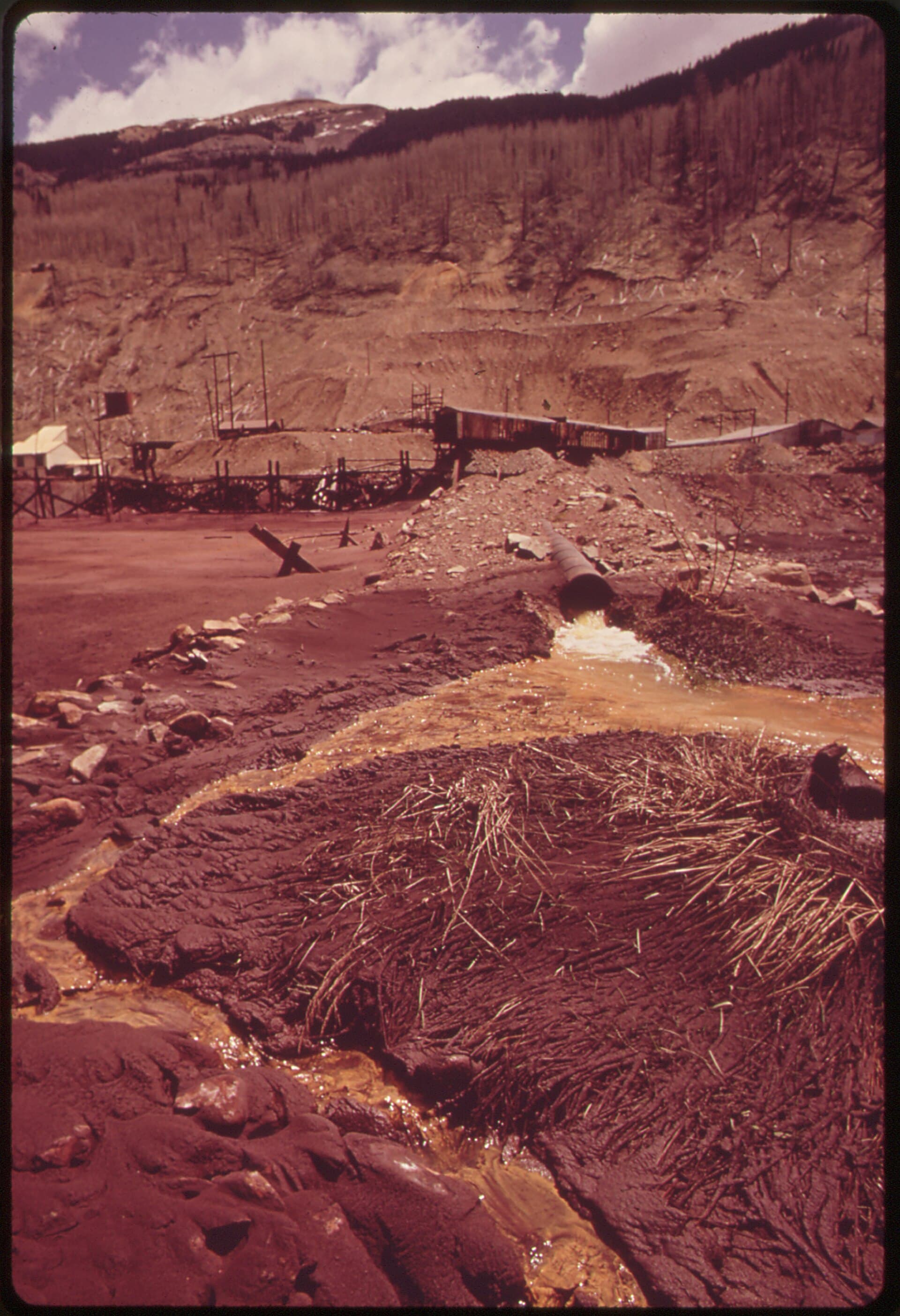
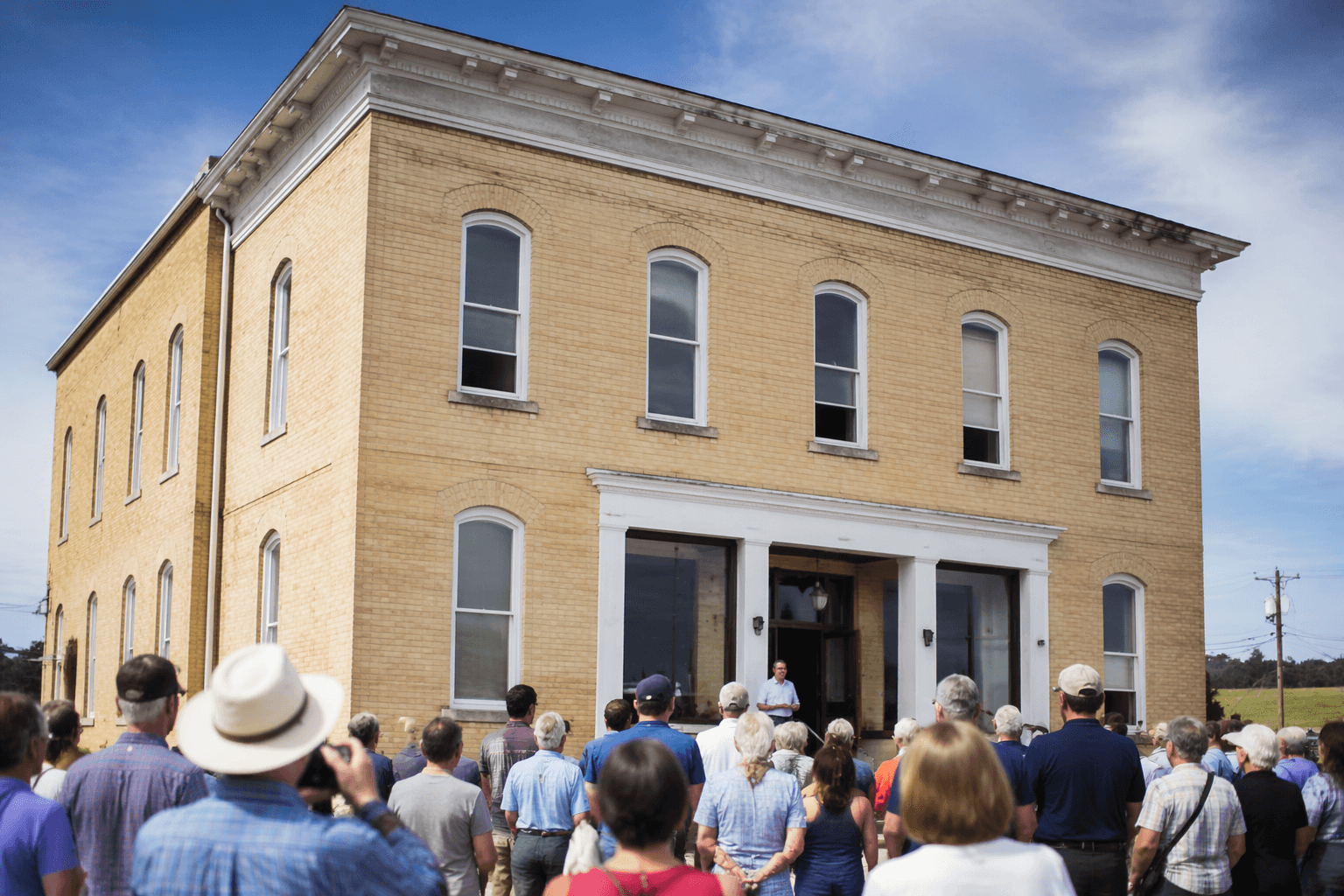
Dolores County was created on February 19, 1881, with Rico as the original county seat. The first courthouse in Rico was built in 1891, and the old Rico courthouse, completed in 1892, still stands and now serves as Rico Town Hall and a public library. That earlier seat reflected the county’s first era of power, when mining centered Rico and the surrounding high country.
History Colorado’s account of the county’s 1953 history puts the broader change in plain terms: Rico had once been part of one of the richest early carbonate mining fields, but the county’s economic center shifted west as bean farming and dry farming took hold around Dove Creek. By then, county business was being transacted in the western part of the county rather than on the Dolores at Rico. The seat did not move as a symbolic gesture. It moved because people, crops and commerce had moved first.
The contest over the seat was hotly debated, and the final decision landed in Dove Creek in 1945. That year marked the turning point when courthouse power and everyday county access stopped orbiting Rico and began orbiting Dove Creek instead.
How a commercial building became the courthouse
The transition happened in the most practical way possible. In May 1945, the old store was vacated to make room for county offices. The Butt Building then served as Dolores County Courthouse through 1953, the same period when the county prepared a permanent courthouse on Main Street.
That makes the building a useful case study in how small county governments adapt. Rather than waiting for a grand civic structure to be completed, Dolores County used an existing commercial building to keep government working while the new administrative center was assembled. American Courthouses places the temporary courthouse period from 1945 to 1952 and the present courthouse’s construction in 1952-53, which matches the larger arc: a makeshift courthouse gave way to a purpose-built one only after the county’s seat had already settled in Dove Creek.
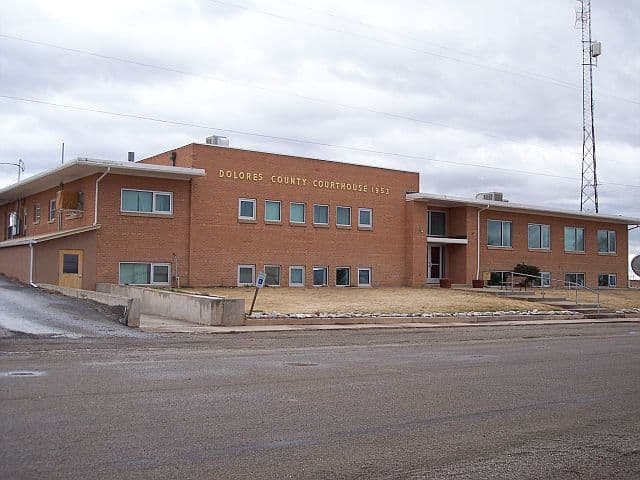
The result was a civic center that grew out of ordinary commerce. A place that once sold groceries and dry goods also held county functions, showing how quickly local institutions can reassign old buildings when geography and economics change.
What the shift changed for local life
For residents, the county-seat move changed more than an address. It placed county government in the same town that had become the county’s commercial center, which meant the routes people used for trade, work and public business converged in one place. The courthouse was no longer tied to the mining-era seat in Rico; it was tied to Dove Creek, where dry farming and bean agriculture had become the region’s economic reality.
That change is visible in the county’s built landscape. The old Rico courthouse remains in use as a town hall and library, preserving the earlier government era in the high country. The Butt Building, still standing in its original spot in Dove Creek, preserves the later one, when a general store briefly became the county’s courthouse and the center of gravity moved west for good.
Today, the two buildings frame Dolores County’s institutional history from opposite ends. Rico keeps the memory of the original county seat alive in brick and civic use, while Dove Creek holds the record of the move that redirected county power toward the town that had already become the practical heart of daily life.
This article was produced by Prism’s automated news system from verified source data, official records, and press releases, then run through automated quality and moderation checks before publishing. The system is built and supervised by the people who set the standards it runs under. Read our full AI policy.
Did this article answer your question?