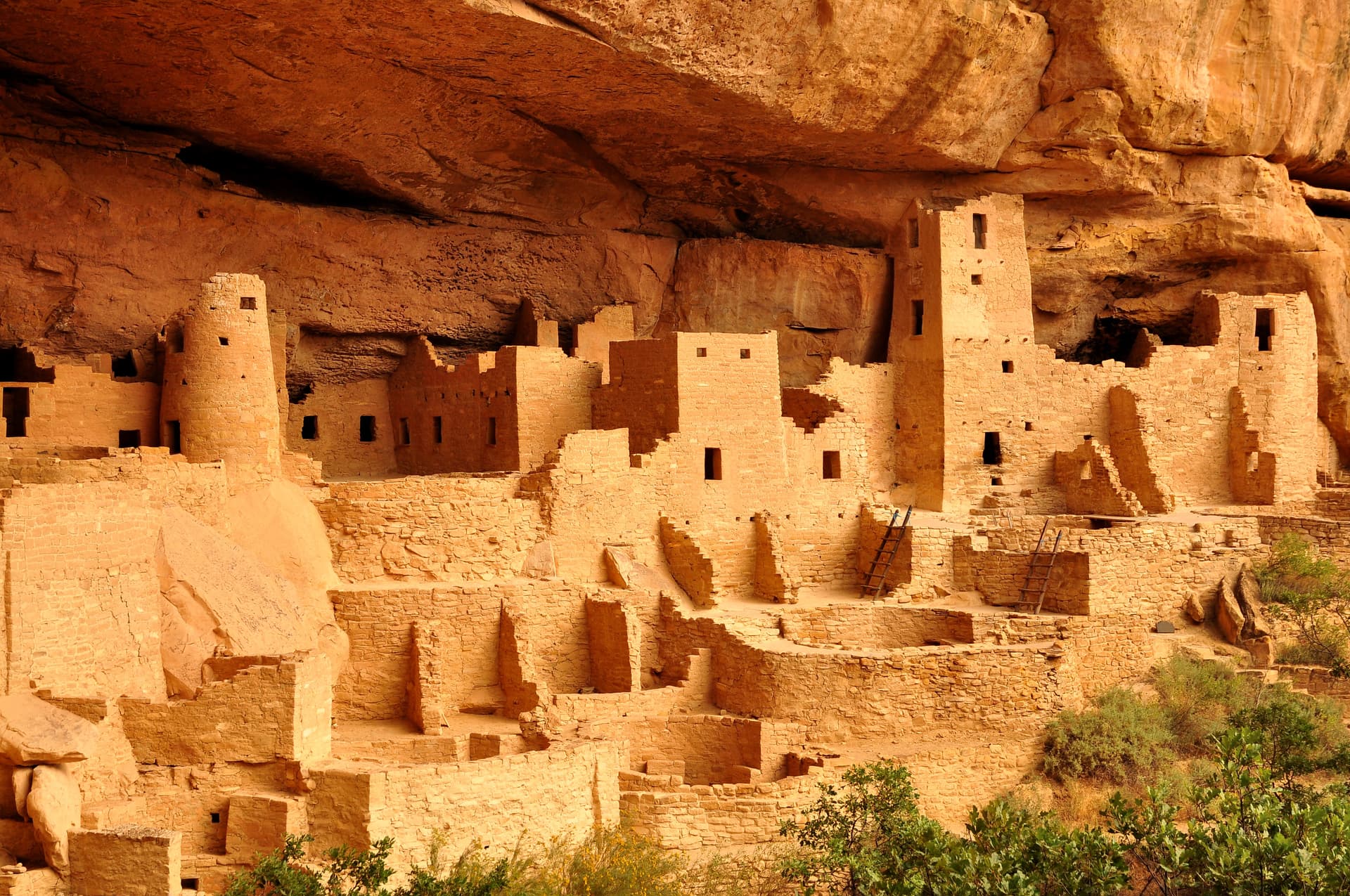
Dolores County gateway to America’s richest archaeology landscape
Dolores County sits at the front door to a 176,056-acre archaeology landscape, and every trail choice and site rule shapes what survives.
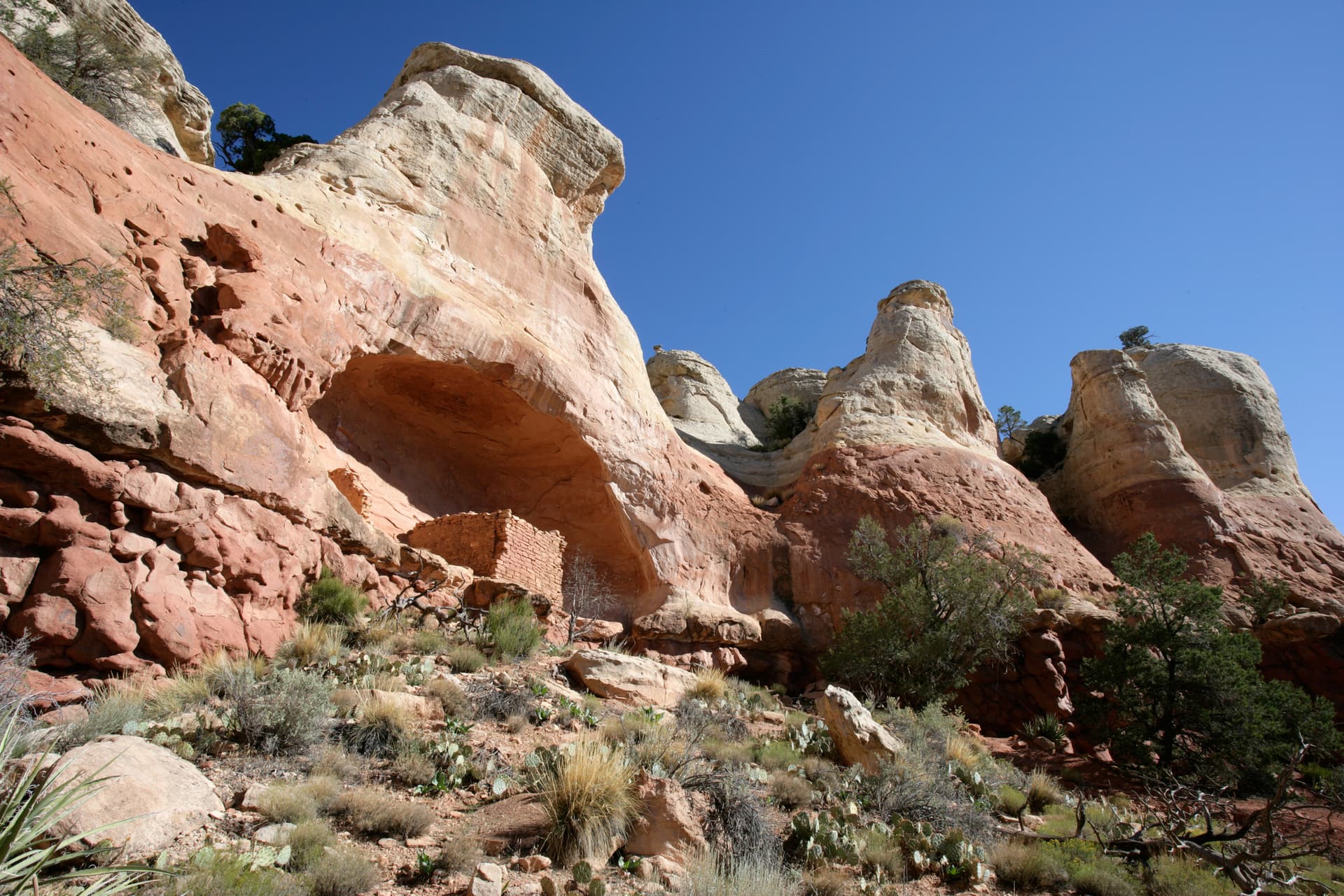
At the edge of Dolores, the Canyons of the Ancients Visitor Center and Museum opens onto one of North America’s most concentrated archaeology landscapes. This is not just a scenic stop on the way to Mesa Verde National Park. It is the gateway to a monument where access, preservation, and public learning all meet in one place, and where a wrong step off trail can do lasting damage to fragile remains.
What Canyons of the Ancients protects
Canyons of the Ancients National Monument was created on June 9, 2000, by presidential proclamation, and a 2021 Bureau of Land Management living-landscape report puts its size at 176,056 acres. The BLM says the monument contains more than 8,300 documented archaeological sites, with estimates of more than 30,000 more still to be recorded. It also describes the landscape as preserving more than 12,000 years of human history and as having the highest known density of archaeological sites in the United States.
Those numbers matter because the monument is not a single ruin or one protected overlook. It holds villages, kivas, field houses, cliff dwellings, petroglyphs, and ancient roadways spread across public land in the Four Corners region. The place is still used for recreation, hunting, livestock grazing, and traditional purposes, which makes the central challenge a balancing act: keep the landscape available without wearing down the evidence that gives it meaning.
Why Dolores is the front door
The town of Dolores is where that balance becomes visible. The Canyons of the Ancients Visitor Center and Museum serves as the headquarters for the monument, and the BLM places it in Dolores at the foot of the San Juan Mountains, about 17 miles from Mesa Verde National Park. Another BLM office page places it about 3 miles west of Dolores on Highway 184, making it the clearest entry point for visitors coming through town.
That location gives Dolores County a role that goes beyond scenery and drive-by tourism. The museum concentrates interpretation, collections care, and visitor services in one place, so the local economy and local identity both sit close to the monument’s daily management. For schools, the site also offers a place where archaeology is not abstract. It is visible in exhibits, films, and actual structures that students can walk to without entering a backcountry ruin field.
Inside the museum, the BLM describes a premier archaeological museum in Southwest Colorado with real artifacts, a replica pithouse, interactive learning stations, and two short films that help visitors understand both archaeological practice and Native American perspectives. The collection is deep enough to underscore the scale of the landscape around Dolores. One BLM page says the museum curates almost 4 million artifacts from the surrounding area, while another BLM archaeology page places the collection at about 3 million objects from the Southwest.
What you can see on the grounds
The museum grounds are part of the story, not just the building. Dominguez Pueblo and Escalante Pueblo sit on site, giving visitors two direct encounters with Ancestral Puebloan architecture. Dominguez Pueblo is identified as a 12th-century structure that once housed a small family. Escalante Pueblo is reached by a paved half-mile trail, with interpretive signage and panoramic views that make the site easier to understand without making it easier to damage.
That design says a lot about how the monument handles access. The paved trail and signage channel foot traffic to specific points, which protects the site while still allowing public visitation. In a landscape this dense with archaeological remains, that kind of controlled access is not a convenience. It is a preservation strategy. The visitor center’s exhibits, films, and on-site ruins together show how a county seat can become the best place to learn what the broader region contains.
How to visit without damaging the sites
The BLM’s guidance is direct: stay on designated trails, avoid disturbing ruins, and leave artifacts in place. Those instructions are not ceremonial. They are the basic rules that keep a fragile landscape legible for future visitors, researchers, and the Native communities connected to it.
That caution applies across the monument, not only at the museum grounds. The BLM describes the area as a living landscape, which means public use continues alongside protection. A visitor who steps off trail or moves a piece of pottery is not just breaking a rule. That person is changing a record that has survived for centuries. In a place with more than 8,300 known sites and many more still unrecorded, small damage accumulates quickly.
Part of a wider cultural-resources network
Canyons of the Ancients is also part of a much broader cultural-resources system managed by BLM Colorado. The agency’s archaeology program oversees prehistoric camps, Fremont rock art, Ancestral Puebloan masonry pueblos, Ute traditional cultural sites, the Old Spanish National Historic Trail, and historic mines and ranches. That range matters because it places the monument in Dolores County inside a state-wide network of sites that stretches from the prehistoric to the historic era.
The monument also sits within the Tres Rios Field Office boundary, which ties local visitation and preservation decisions to a larger federal management area. That broader framework helps explain why the Dolores museum matters so much. It is not just the nearest stop to a famous monument. It is the place where a county of fewer than 3,000 people connects to a public landscape that holds some of the most concentrated archaeological evidence in the country.
For Dolores County, the practical question is simple. The region can welcome visitors, support local learning, and draw attention to its history, but only if the fragile remains in Canyons of the Ancients stay where they are. The future of the landscape depends on whether the front door in Dolores is used as a place of access, or treated like a shortcut through something irreplaceable.
This article was produced by Prism’s automated news system from verified source data, official records, and press releases, then run through automated quality and moderation checks before publishing. The system is built and supervised by the people who set the standards it runs under. Read our full AI policy.
Did this article answer your question?