Dolores County Public Health outlines services for rural residents
Dolores County Public Health is the local entry point for immunizations, referrals and disease investigation, but distance still shapes access.
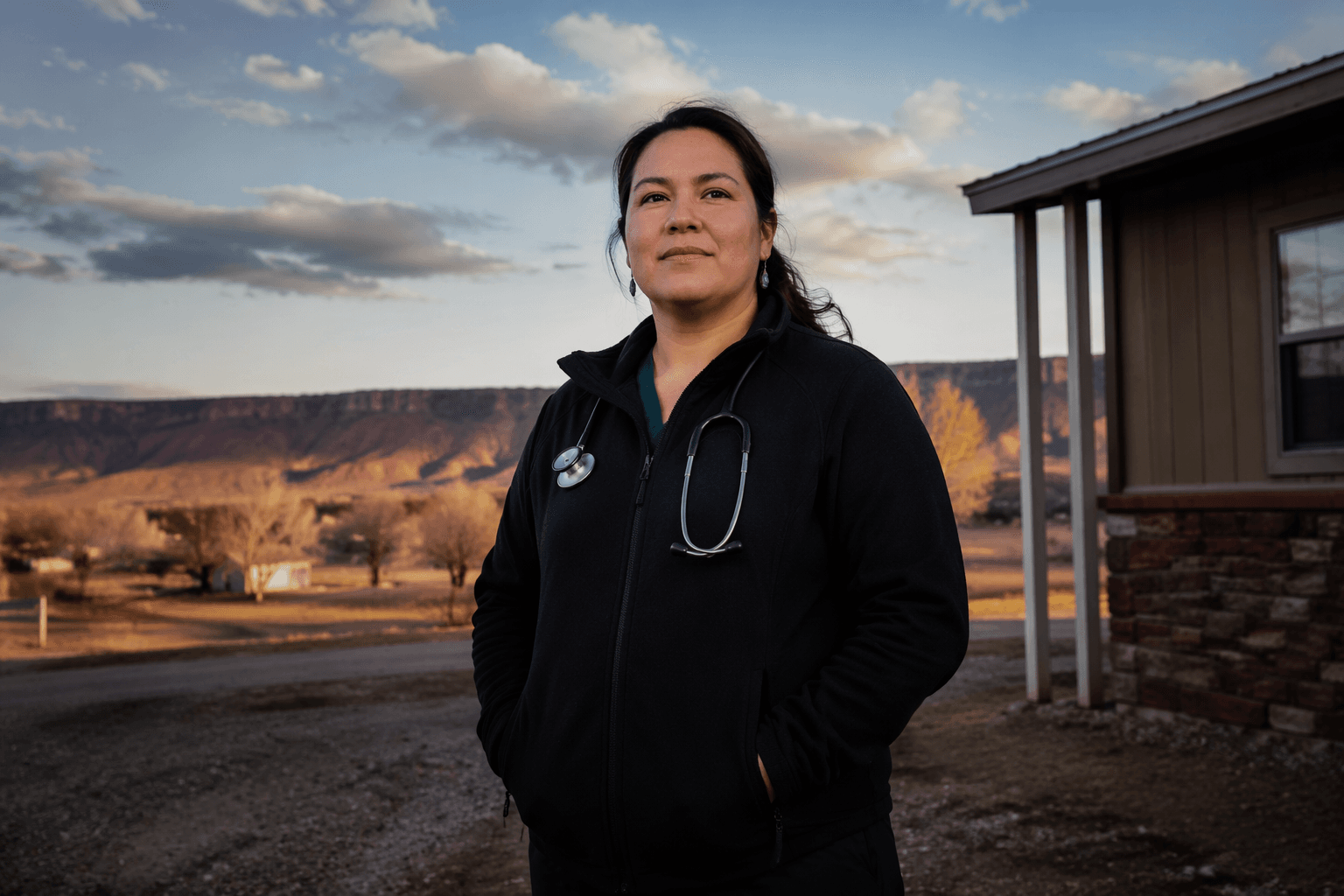
Dolores County residents who need help finding the right health service do not have to start from scratch. The county public-health office says its job is to protect and improve the health of Dolores County residents and the quality of the environment they live in, and that mission makes it a key access point in a county where the nearest specialist, hospital or support agency can be far away.
The practical question for many households is simple: what can you get locally, and how do you reach it if you live outside Dove Creek? The answer runs well beyond a single appointment. Dolores County Public Health says it provides emergency preparedness, care coordination, immunizations, prevention services and education, communicable-disease investigation and information, public-health education, vital records support, WIC referrals, referrals for Nurse Family Partnership and Young Parents Program services, and outreach through Reach Out and Read.
What the public-health office handles
The department describes itself as more than a place to ask for a form or a shot. It says it has a responsibility to help residents evaluate health problems and work toward solutions, identify community health needs, coordinate services, and educate the public about prevention and wellness. In a small rural county, that means the office can function as a guide through a system that is often fragmented for people who live miles from the nearest service provider.
For families with young children, the list of services is especially important. Immunizations and prevention education can help residents stay current on routine care, while WIC referrals, Nurse Family Partnership referrals, Young Parents Program referrals, and Reach Out and Read outreach connect parents to broader support. For anyone facing possible infectious exposure or a reportable illness, communicable-disease investigation and information can be the difference between confusion and a clear next step.
- emergency preparedness help
- immunizations
- care coordination
- communicable-disease investigation and information
- public-health education and prevention services
- vital records support
- WIC referrals
- referrals for Nurse Family Partnership and Young Parents Program services
- Reach Out and Read outreach
Residents can think of the office as a local hub for:
That broad menu matters because it shows the county is not treating public health as a narrow clinic function. It is trying to connect residents with services that might otherwise be difficult to reach from a county that spans a large area and has a small population.
Where to find the office
The public-health office is located at 8570 Road 7.2 in Dove Creek, Colorado 81324. Its posted hours are Monday through Thursday, 7:00 a.m. to 4:30 p.m., and the office phone number is 970-677-2387. Those specifics matter in a county where residents often need to plan around travel time, work schedules, and limited office hours.
That distinction is important because the county’s main contact information is not the same as the public-health office address. Dolores County’s broader county contact page lists the main county office at 409 N. Main Street in Dove Creek, which means residents need to be careful about which office they are trying to reach. For someone heading in from outside town, that difference can mean saving a second trip.
For people in Dove Creek and the surrounding area, the public-health office is the most direct place to ask about immunization help, preparedness resources, referrals for parents and children, and information tied to infectious-disease investigations or other public-health concerns. For residents in outlying communities, including the Rico/Dunton area, the office’s phone line and weekday schedule are especially important because they may be the first and sometimes only local point of contact.
Why geography shapes access
Dolores County is one of Colorado’s smallest counties by population, but it covers a lot of ground. The U.S. Census Bureau counted 2,326 residents in the 2020 Census and estimated 2,466 residents in July 2025. Census Bureau profile data puts the county at 1,067.2 square miles of land area, while the county website describes it as 1,064 square miles. Either way, the scale is clear: a very small population is spread across a very large rural area.
The county website says about 700 people live inside Dove Creek, with others outside the city limits and in the Rico/Dunton area. That scattered settlement pattern helps explain why a public-health office that can coordinate care, issue referrals, and answer questions has outsized value here. In a place where drive time can be a barrier, a local office can reduce the number of dead ends residents face when they are trying to get help.
That geography also makes the department’s role in preparedness especially relevant. Rural residents are more likely to need clear, local guidance when roads are long, services are thin, or a health problem develops quickly. A county public-health office cannot erase distance, but it can help people navigate around it.
How local work fits into the state system
Dolores County Public Health is not operating alone. The Colorado Department of Public Health and Environment lists Dolores County Public Health Agency in its local public-health directory, placing the county within the state’s public-health network. CDPHE also says its immunization branch supports education, training, and coordination for local and regional vaccination campaigns, including county-specific MMR vaccination campaigns.
That state support matters in a county where vaccine access and public-information campaigns may need to be coordinated across long distances and multiple communities. It also helps explain why a county office that handles immunizations and disease information is part of a larger prevention system, not just a local mailbox for referrals.
The same is true for maternal and child health work. CDPHE’s Maternal and Child Health Program says it works primarily with local public health agencies and uses block-grant funding to support maternal and child health services. Its FY26 materials say agencies may receive less than $55,000 or more than $55,000 annually depending on funding tier. Dolores County’s referrals for Nurse Family Partnership and Young Parents Program services fit squarely into that broader structure, connecting local families with state-supported public-health resources.
Why communicable-disease work cannot be an afterthought
The county’s emphasis on communicable-disease investigation is not theoretical. CDPHE posted a May 30, 2026 notice confirming a measles case in Delta County and warning the public about possible exposures. That kind of regional event shows why county public-health offices need to be able to investigate disease, relay information, and connect residents to vaccination resources quickly.
In a county like Dolores, where residents may live far from one another and from larger medical systems, prompt public-health communication can help limit confusion and slow the spread of illness. The local health department’s role is not simply administrative. It is part of the county’s practical safety net, helping residents get answers, find services, and respond to health risks before they grow into wider problems.
For a small rural county, that is not a luxury. It is the infrastructure that keeps people connected to care.
This article was produced by Prism’s automated news system from verified source data, official records, and press releases, then run through automated quality and moderation checks before publishing. The system is built and supervised by the people who set the standards it runs under. Read our full AI policy.
Know something we missed? Have a correction or additional information?
Submit a Tip