Dolores County streamlines septic applications for property owners
Dolores County now lets property owners start septic applications online, but the file still runs through Dove Creek, with a $23 state surcharge, soil tests and local inspections.

Dolores County property owners still have to clear their septic applications through the county commissioners office in Dove Creek, but the county now also allows the forms to be completed online through its website. That matters because the permit is often the first official step in proving a rural parcel can support a home, an addition or another use that depends on an onsite wastewater system.
Where the application goes
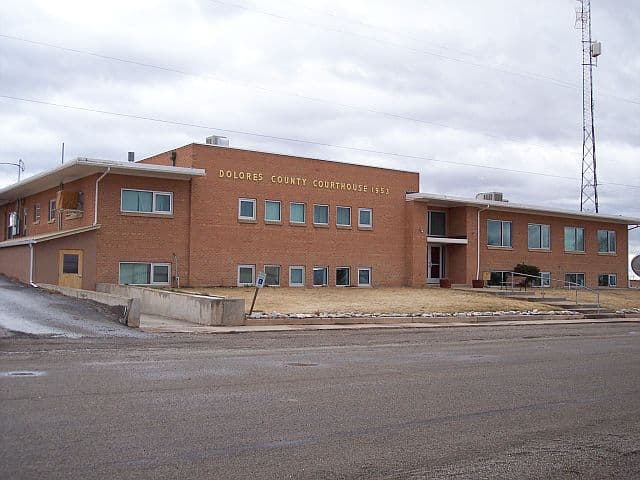
The county directs paper applications and fees to the Dolores County Commissioners Office, 409 North Main Street, P.O. Box 608, Dove Creek, CO 81324. The same county page says applicants can complete the process either at the commissioners office or online, which gives landowners two entry points into a system that still depends on local review and physical inspection.
The application itself asks for basic property information that has to match the parcel on record. Dolores County requires the assessor’s parcel number, the site address and a site plan, and the county also says the state requires a $23 surcharge for each application. For a property owner, that means the file is not just a form to be signed and mailed back. It has to identify the land precisely enough for county staff and inspectors to tie the proposed system to the right parcel.
That detail-heavy process can slow things down if someone starts without the right paperwork. A missing parcel number, an incomplete site plan or a fee that does not include the state surcharge can leave the application sitting before the county can move it forward.
What the county requires before approval
Colorado treats septic systems, officially called on-site wastewater treatment systems, as a local permitting matter for systems with flows of 2,000 gallons per day or less. State guidance from the Colorado Department of Public Health and Environment says those systems are governed by Regulation 43, and local public health agencies must adopt rules that are at least as strict as the state standard.
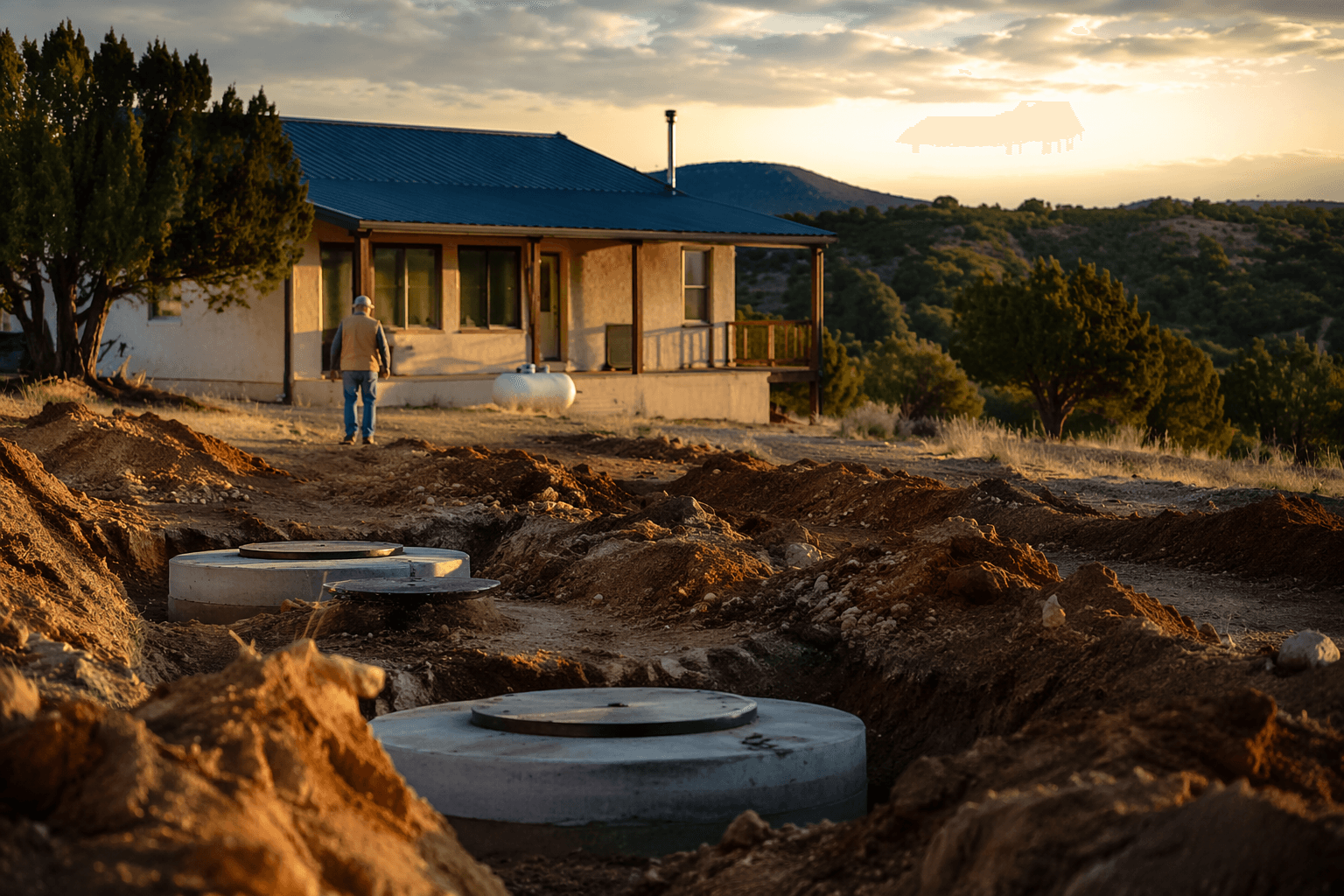
In practical terms, Dolores County is not just collecting a form. It is overseeing a system that has to fit the parcel, the soil and the intended use. The county says a complete site evaluation and soil test are required to determine how well the ground can treat wastewater and to size the system correctly.
The site work is specific. Dolores County says two pits, each two feet by six feet deep, must be dug around the area where the field will be built. The Dolores County Board of Health inspector then examines the pits to identify soil types. That inspection is a key checkpoint for rural landowners, builders and anyone planning a new home outside town sewer service.
If the project needs an engineered system, the county says that is required too, along with a final inspection from the engineer and the county septic inspector. In other words, the application is only the first step in a chain that includes paperwork, soil review, design and a final sign-off before the system can be counted on for use.
Who to contact in Dove Creek
The county septic inspector page identifies Julie Kibel as the local inspector. The same county contact information points applicants back to the office at 409 N. Main Street in Dove Creek, making that address the central stop for people who need to ask questions, submit forms or follow up on inspection requirements.
That local structure matters in a county like Dolores, where building often depends on individual wells and septic systems rather than municipal utilities. The county’s process gives property owners a clear chain of contact, but it also means the permit depends on people moving through the local office, the site evaluation and the inspection stages in order.
For owners trying to keep a project on schedule, the practical rule is simple:
1. Gather the assessor’s parcel number, site address and site plan.
2. Submit the application and fee to the county commissioners office or complete it online.
3. Budget for the $23 state surcharge.
4. Arrange the site evaluation and soil pits.
5. Wait for the engineer’s work, if the system requires it, and the final inspection from the engineer and the county septic inspector.
That sequence is not optional. Each step builds on the one before it, and the county’s paperwork is designed to force those checks before a system can be approved.
How septic permitting fits the county’s broader public services
The septic process sits inside a larger county-government system that still runs through Dove Creek for many basic property and legal tasks. The Dolores County Clerk and Recorder says it has served the people of Dolores County since 1881, and it lists motor vehicle titling and registration, recording of land documents, elections and voter registration, and marriage licenses among its primary services.
That office also shows how much of county life still depends on face-to-face or office-based transactions. Marriage and civil union licenses cost $30, both parties must be present, the license must be used within 35 days and returned within 63 days for recording. Those details mirror the septic process in one important way: county business in Dolores County still depends on precise paperwork, specific deadlines and the right local office.
For property owners, the message is straightforward. Dolores County has made septic applications more accessible by allowing them to be completed online, but the system is still anchored in local review, soil testing and county inspections in Dove Creek. The path from vacant parcel to approved wastewater system still runs through the commissioners office, the county inspector and the board of health process, with the county’s rules determining whether a piece of land can move ahead at all.
This article was produced by Prism’s automated news system from verified source data, official records, and press releases, then run through automated quality and moderation checks before publishing. The system is built and supervised by the people who set the standards it runs under. Read our full AI policy.
Know something we missed? Have a correction or additional information?
Submit a Tip