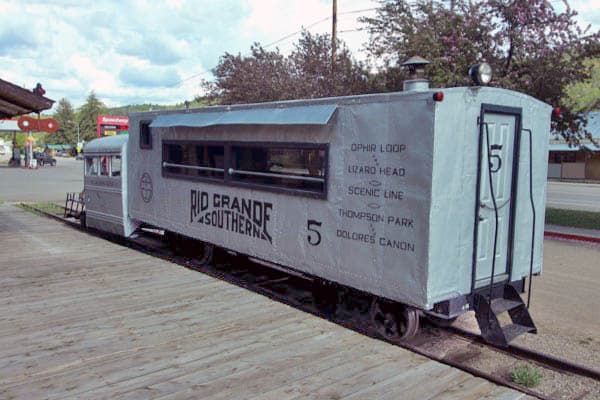
Dove Creek Dryland Farmers Face Uncertain Spring Amid Costs, Wind, Wildlife
Kyle Carhart farms 3,000 dryland acres near Dove Creek with no irrigation safety net, and one stretch of warm wind can erase the soil moisture that makes this planting season viable.
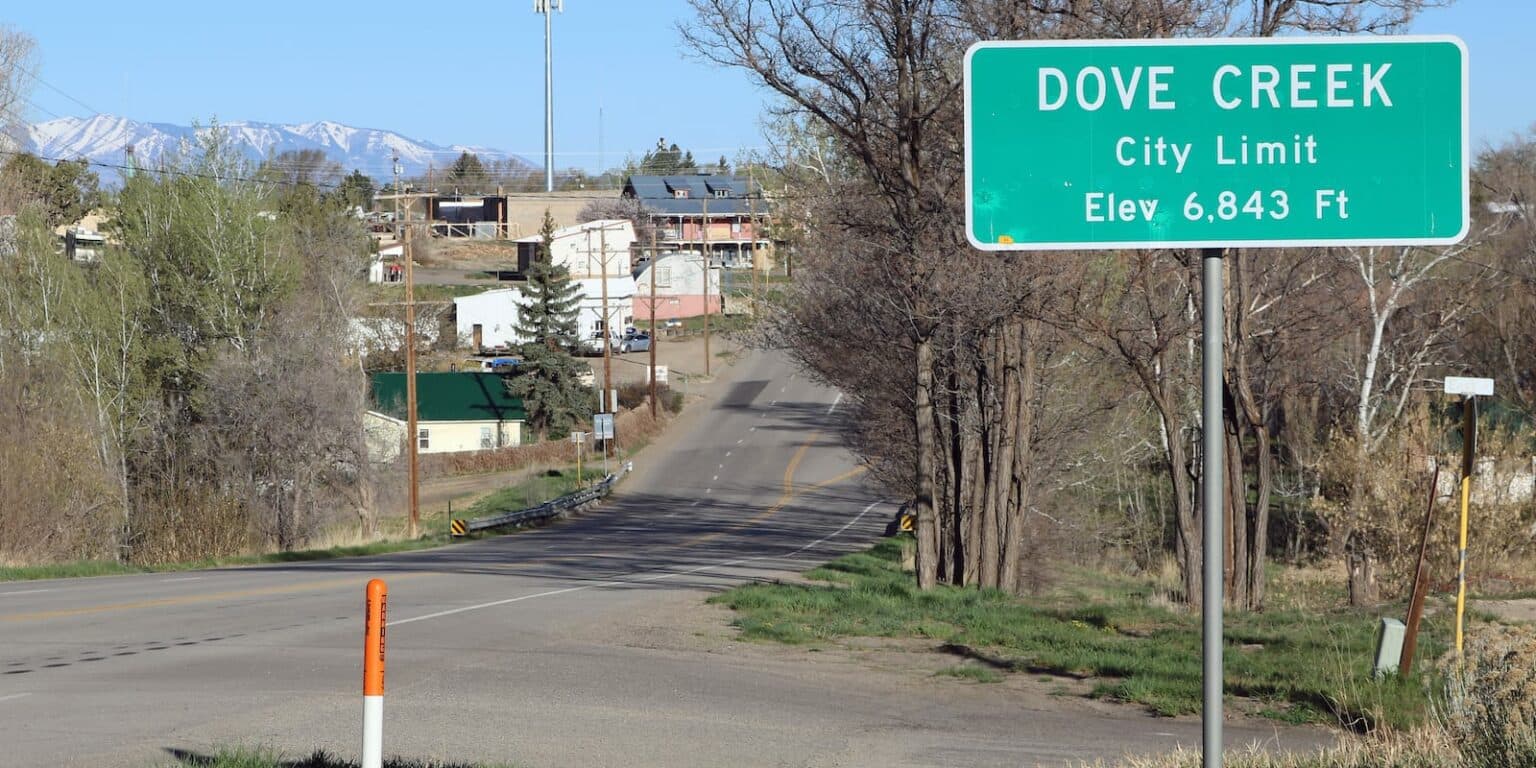
Three thousand acres of dryland crops near Dove Creek get no irrigation. When warm, windy days hit the valley in early spring, Kyle Carhart watches the soil moisture he counted on start to disappear.
Carhart, who farms roughly that acreage in pinto beans, wheat and sunflowers outside Dove Creek, described the 2026 spring planting window in terms both cautious and worried. "Soil moisture currently is looking pretty all right," he said. "You can't imagine how much that dries out this land."
That drying is the central variable of the season. Southwestern Colorado recorded below-normal snowpack this winter, and unusually warm early-spring temperatures have accelerated evaporation across the dryland fields that define Dolores County agriculture. Without irrigation as a backstop, producers here are entirely dependent on the timing and quantity of natural precipitation, and the window between workable soil and desiccated topsoil can close within days.
Dryland farmers near Dove Creek described the season as a "dice roll" where timing, crop choice and careful management will determine whether fields get off to a productive start. Wheat, with its deeper root system, tends to hold on better in sparse surface-moisture conditions; pinto beans are more sensitive to moisture timing early in germination. That difference is shaping planting decisions across the county as growers weigh whether to prioritize wheat acres, delay bean planting or seed into warmer soils and accept the risk.
The calculation is harder because of what one producer framed as the financial exposure of 2026 input costs. "Everything is so expensive," the farmer said. "You cannot afford to mess up." Fuel, fertilizer and equipment prices have remained elevated, compressing the margin on any acre that fails to produce a stand.
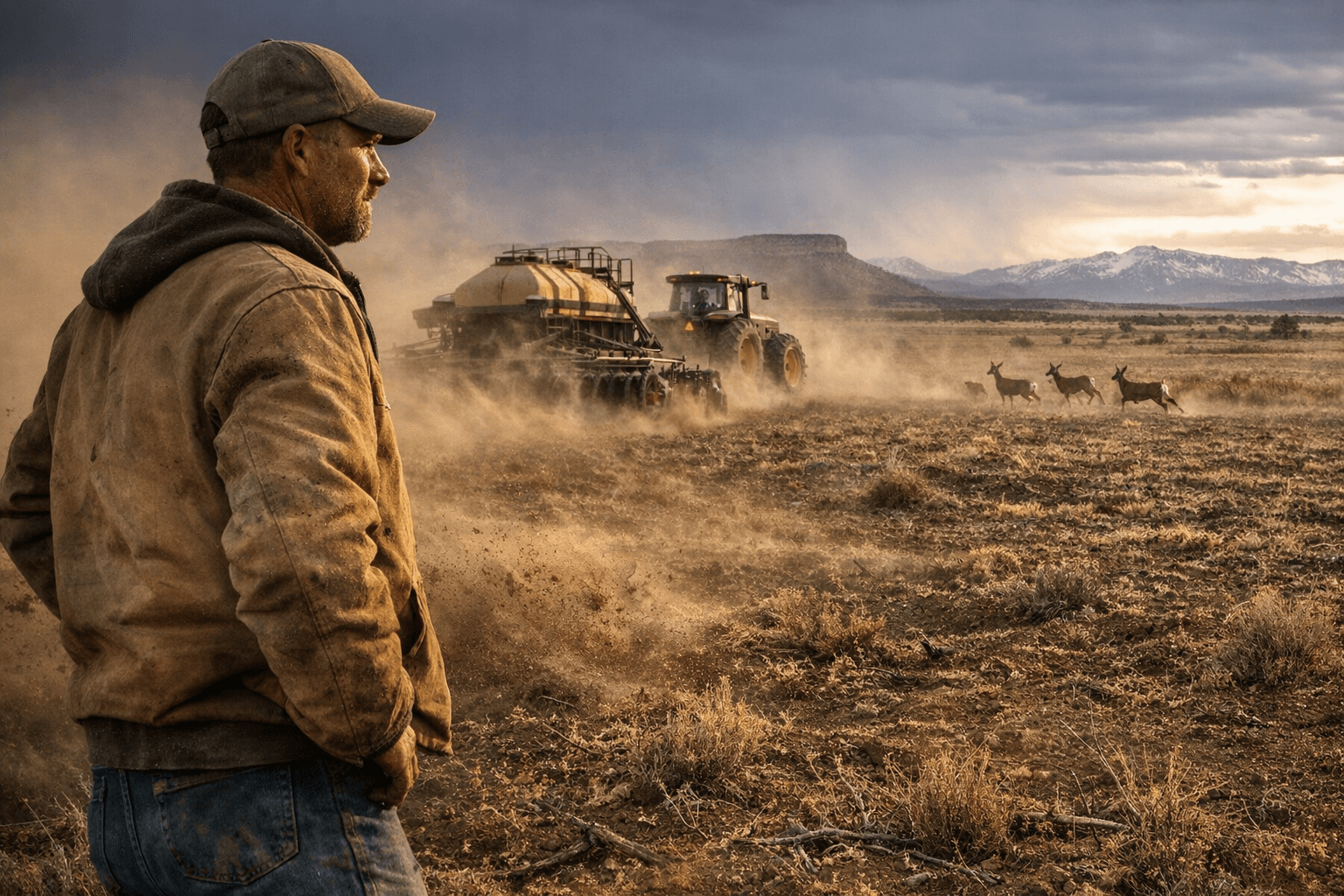
Deer and elk that lingered near field edges through the winter added a separate layer of risk. The animals, drawn to forage left over from winter, have stayed close to planting ground and could increase browsing pressure on emerging seedlings once crops begin to establish.
Those field-level risks carry a longer reach for Dove Creek. A weak production year in pinto beans and wheat ripples into grain elevator throughput, seasonal labor demand and the service businesses that depend on a working farm economy. School and municipal budgets tied to property values and a stable workforce feel that compression in the months following a poor harvest.
Producers said they planned to track short-range forecasts closely in the coming weeks, weighing whether to seed into the current moisture window or hold for conditions that may not materialize before the calendar runs out.
This article was produced by Prism’s automated news system from verified source data, official records, and press releases, then run through automated quality and moderation checks before publishing. The system is built and supervised by the people who set the standards it runs under. Read our full AI policy.
Did this article answer your question?