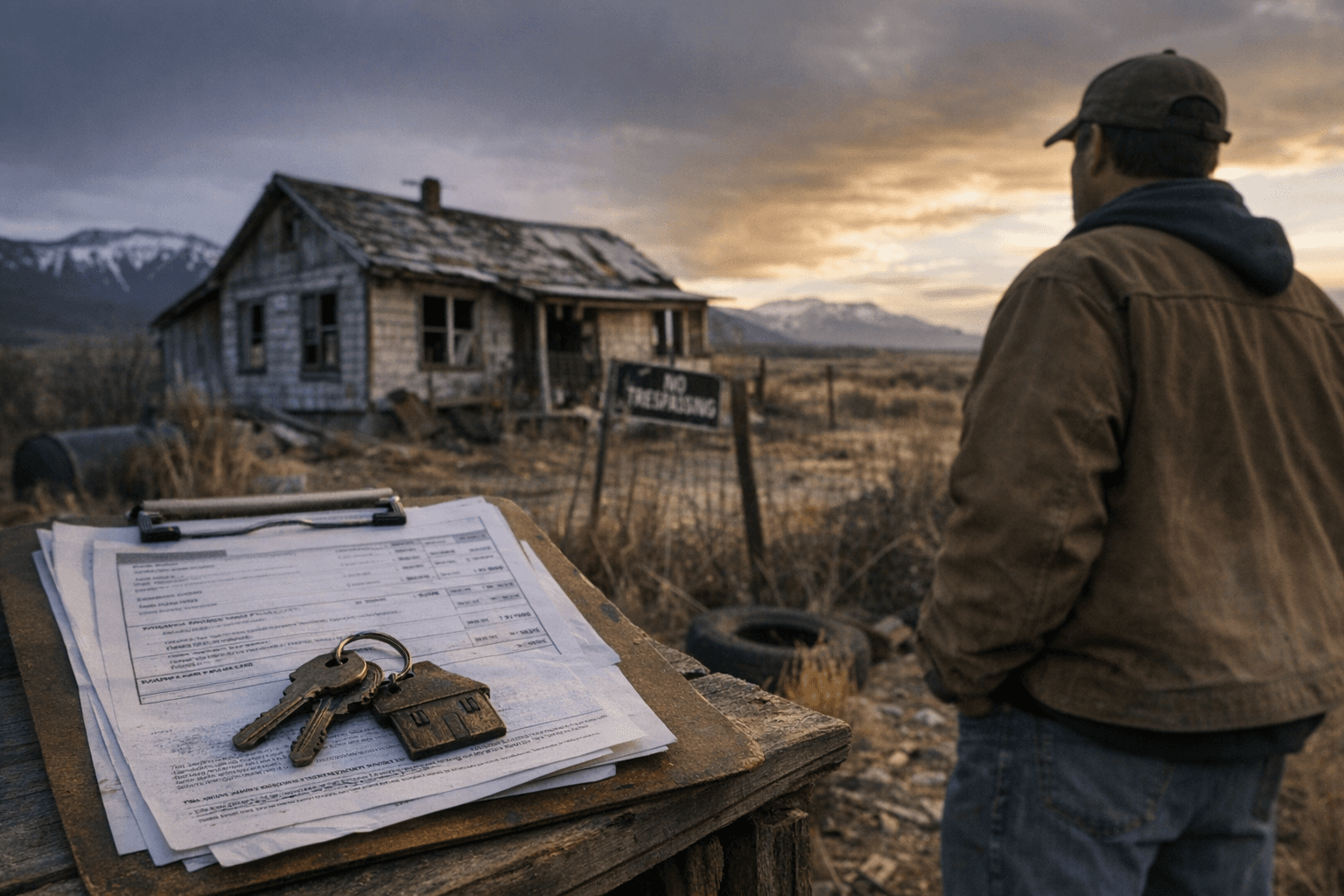
Durango Leaders Wrestle With Second Home Rules Amid Housing Pressures
One in eight Durango homes sits empty, and as city leaders weigh second-home fees and rental caps, the spillover pressure on Dolores County's unregulated rural housing market is growing.
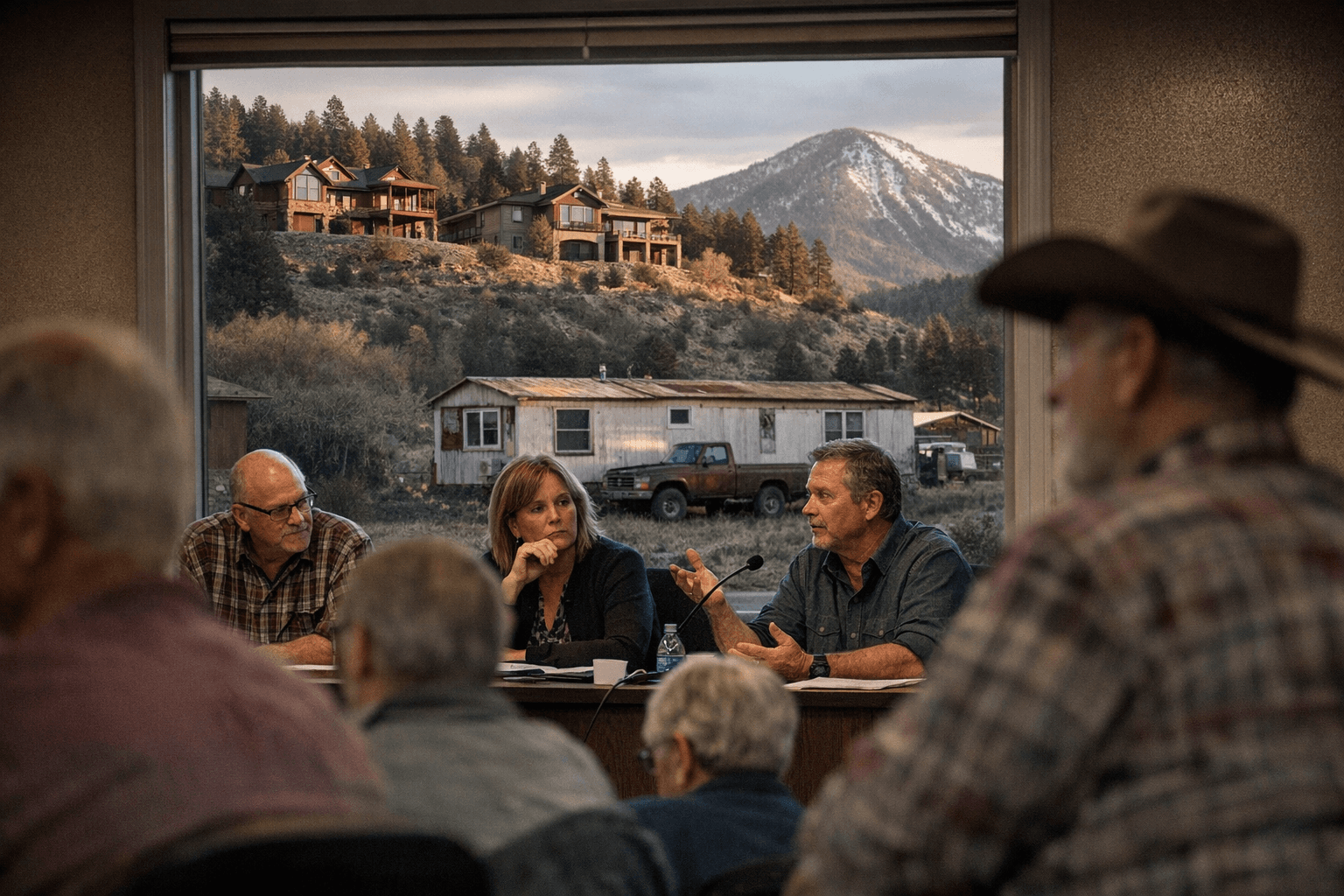
Short-term rentals across La Plata County grew 63% between 2019 and the end of 2025, jumping from roughly 1,100 units to nearly 1,750. That number has not gone unnoticed at Durango City Hall, and the policy choices Durango makes in the coming months could quietly reshape housing demand as far west as Dove Creek.
Durango Prosperity Officer Mike French put a precise figure on the city's vacancy problem earlier this year: an estimated 88% of Durango's 9,464 households are occupied full-time, leaving roughly 1,135 homes sitting idle. French attributed that 12% vacancy rate to a mix of seasonal residents, second-home owners, and short-term vacation rentals. The city itself lists about 135 managed, licensed, and regulated short-term rentals within city limits, a number that represents the tip of a much larger regional inventory.
City officials have been searching for the right policy lever. A state-level vacancy tax, which would have penalized owners who leave second homes empty in communities starved for workforce housing, died in committee at the Colorado Legislature. One Durango official expressed frustration with the outcome. "I was rooting for the vacancy tax to make it out of committee at the state level," said Koso, who spoke publicly about the proposal in February. "It's got so many, multiple applications, right? It's a disincentive for people to leave their vacation homes empty when we need workforce housing. I liked that it could be tailored for each individual community."
With the vacancy tax off the table for now, Durango is left working within a narrower set of tools. Colorado law gives municipalities and counties authority to license and cap short-term rentals, impose primary-residence requirements, and layer in permitting fees, but the state has not authorized a freestanding vacancy tax at the local level without legislative backing. Durango already caps STR permits in certain neighborhoods and operates a permit waiting list. La Plata County Assessor Carrie Woodson acknowledged the county has no reliable method to track the full scope of second-home ownership across unincorporated areas, a data gap that complicates any targeted response.
For Dolores County commissioners and the town of Dove Creek, the Durango debate carries a direct implication. When a resort-adjacent city tightens STR rules or raises the cost of holding a vacant second home, price-sensitive buyers and investors do not disappear; they move. Dolores County's rural character, lower land values, and currently unregulated vacation rental environment make it a plausible next stop for buyers displaced by a stricter Durango regime. Dove Creek has no STR licensing framework, no cap, and no primary-residence deed restriction program to slow that kind of speculative migration before it erodes what affordable inventory remains.
Durango's January 2026 housing white paper, produced by its Innovative Housing Solutions Division, described affordability as the single most significant structural constraint on the city's economy. That constraint does not respect county lines, and Dolores County commissioners have a narrowing window to study what tools Colorado law actually puts within reach before the market makes those decisions for them.
Sources:
Know something we missed? Have a correction or additional information?
Submit a Tip