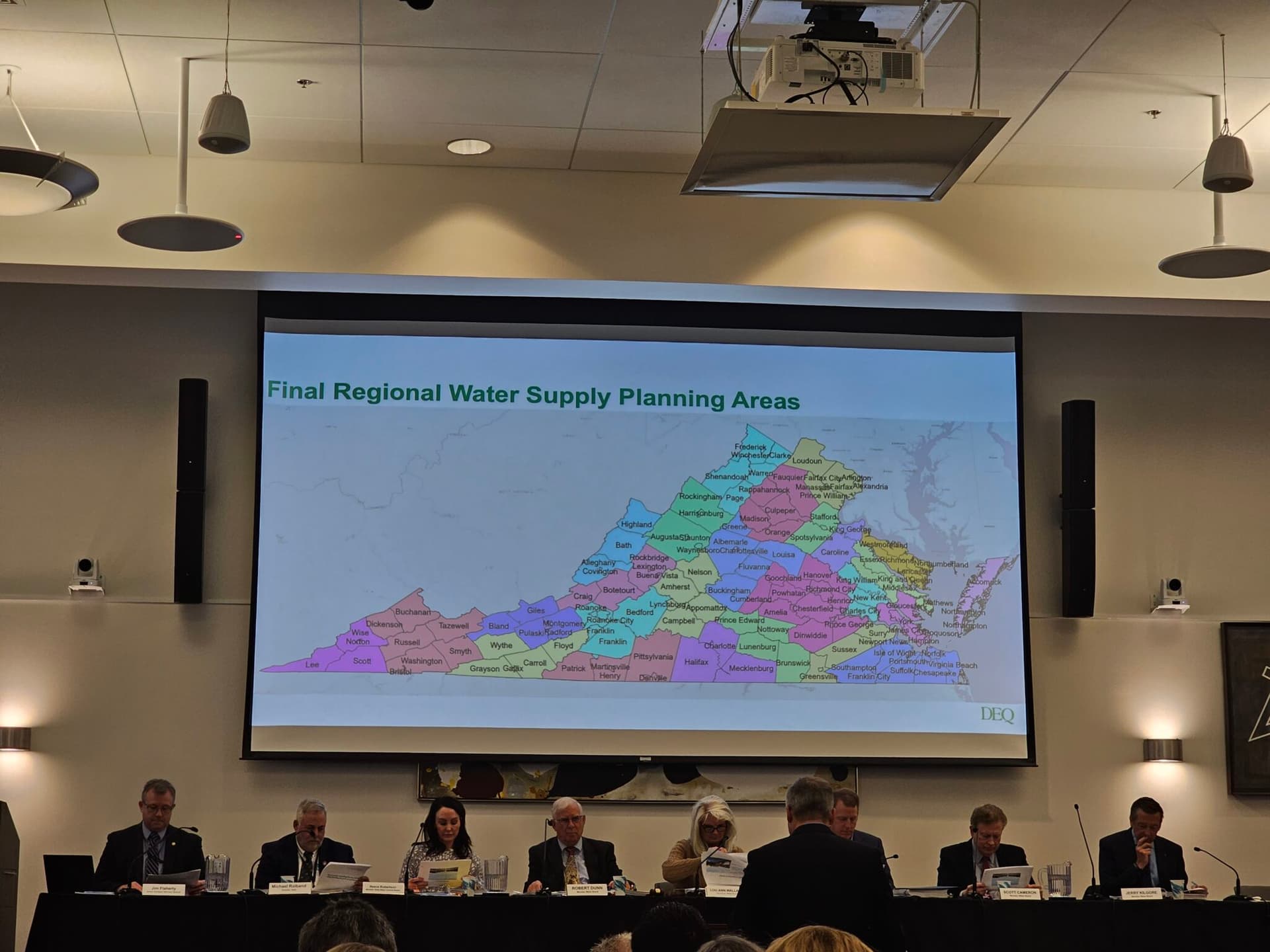
Durango Plans Water Restrictions as Severe Drought Grips Southwest Colorado
Durango announced its first-ever mandatory water restrictions as McPhee Reservoir sits near historic lows, signaling a punishing season ahead for all of Southwest Colorado.
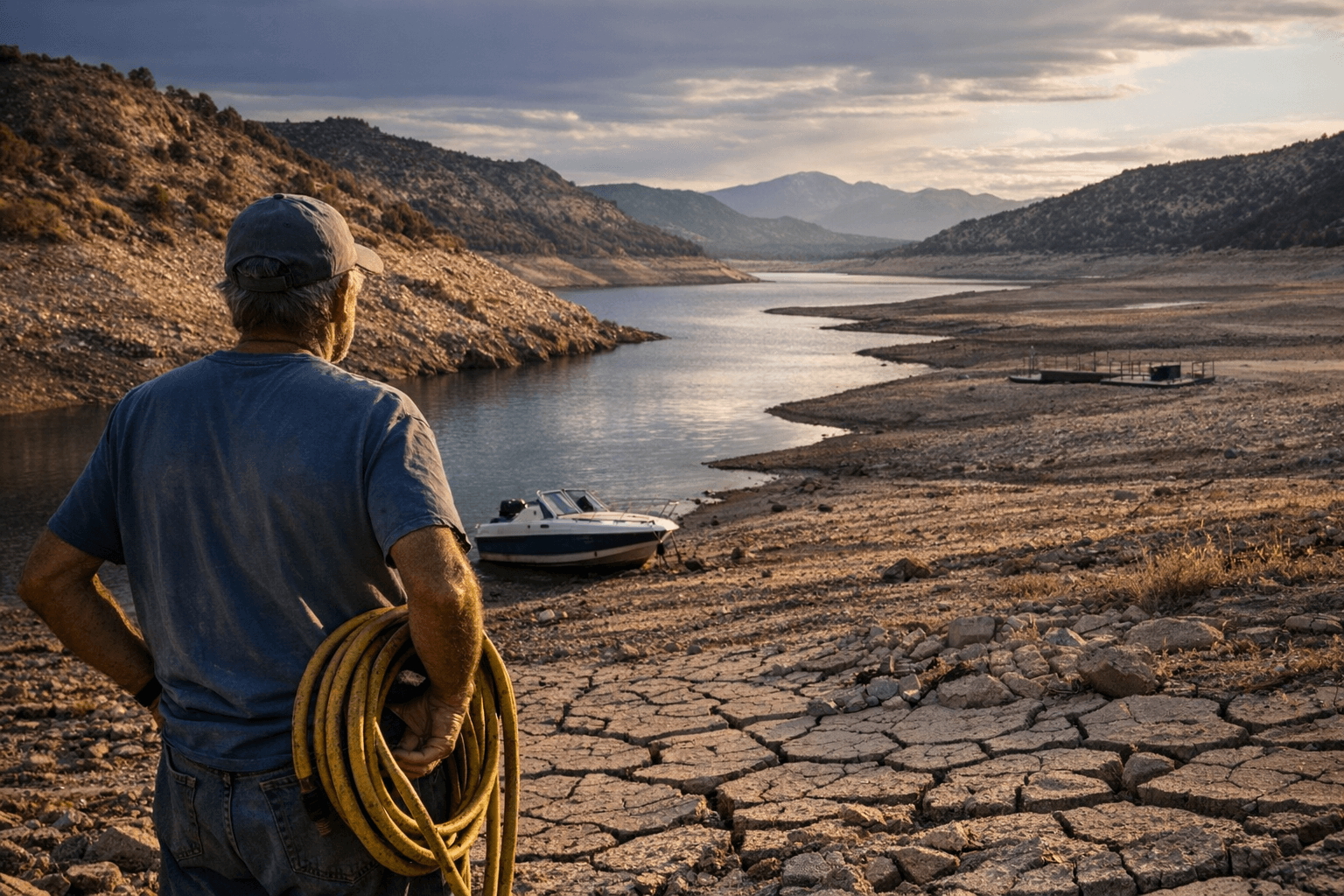
Durango moved to implement Stage 1 water restrictions this week, a step that would be unprecedented in the city's history and one of the clearest signals yet of how severe conditions have grown across Southwest Colorado heading into the 2026 irrigation season.
Public Works Director John Harris said the restrictions, drawn from the city's 2020 water shortage contingency plan, would limit residential lawn watering to three days per week with specific days assigned by household address. Stage 1 would also prohibit hosing off driveways and sidewalks, ban outdoor fountain use at night to curb evaporation losses, suspend the city's fire hydrant flushing program, and scale back fleet vehicle washing. The Parks and Recreation Department had already begun revising its irrigation schedule, though Harris noted the complications involved. "That's more of a challenge as you can imagine for a large park that might have 15 or 20 irrigation zones," he said. "It's just not possible to go to a three-day week schedule."
Durango has never before issued mandatory water restrictions, a fact underscored at the Southwestern Water Conservation District's annual seminar in Ignacio in late March, where speakers noted immediate and long-term water shortfalls woven through nearly every topic on the agenda.
For Dolores County, the picture carries its own weight. McPhee Reservoir, which the Dolores Water Conservancy District manages for both Dolores and Montezuma counties, was projected to fall to its lowest level since the reservoir was filled in the mid-1980s, sitting near 40% capacity as of late 2025. The Dolores River below McPhee Dam was reduced to a trickle last summer, a result of drought and demand that exhausted storage reserves ahead of schedule. Over 30 years, average annual inflows to McPhee have run around 327,000 acre-feet; during the 2002 drought, that figure bottomed out at 79,757 acre-feet.
With Gov. Jared Polis activating the Colorado Drought Task Force in March, the first activation since 2020, this spring's runoff into McPhee is being watched closely by irrigators throughout the Dolores River basin. DWCD users who depend on McPhee deliveries for alfalfa, pasture, and grain crops should expect the district to make allocation decisions earlier than in a typical year if inflows continue to lag.
The most effective steps for Dolores County households and irrigators right now mirror exactly what Durango is formally codifying: stop all driveway and sidewalk washing, cut outdoor irrigation to three or fewer days per week, water only during early morning or evening hours to limit evaporation, and delay activating sprinkler systems until soil conditions require it. Domestic well users on the mesa and in the Dolores River corridor should check water levels this month before irrigation demand peaks.
If the drought tightens through summer, Stage 2 of Durango's contingency plan would impose mandatory limits on business water use, and Stage 3 would effectively prohibit outdoor irrigation entirely. Municipal systems in Dolores County would face analogous pressure points under similar trigger conditions. The closer McPhee gets to inactive storage, the fewer options remain before restrictions become unavoidable at every level.
Sources:
Know something we missed? Have a correction or additional information?
Submit a Tip