La Plata County Updates Plan to Align Growth with Water Supply
La Plata County is tying new development to verified water supply under a state mandate, setting a regional precedent that Dolores County, facing chronic McPhee shortfalls, cannot afford to ignore.
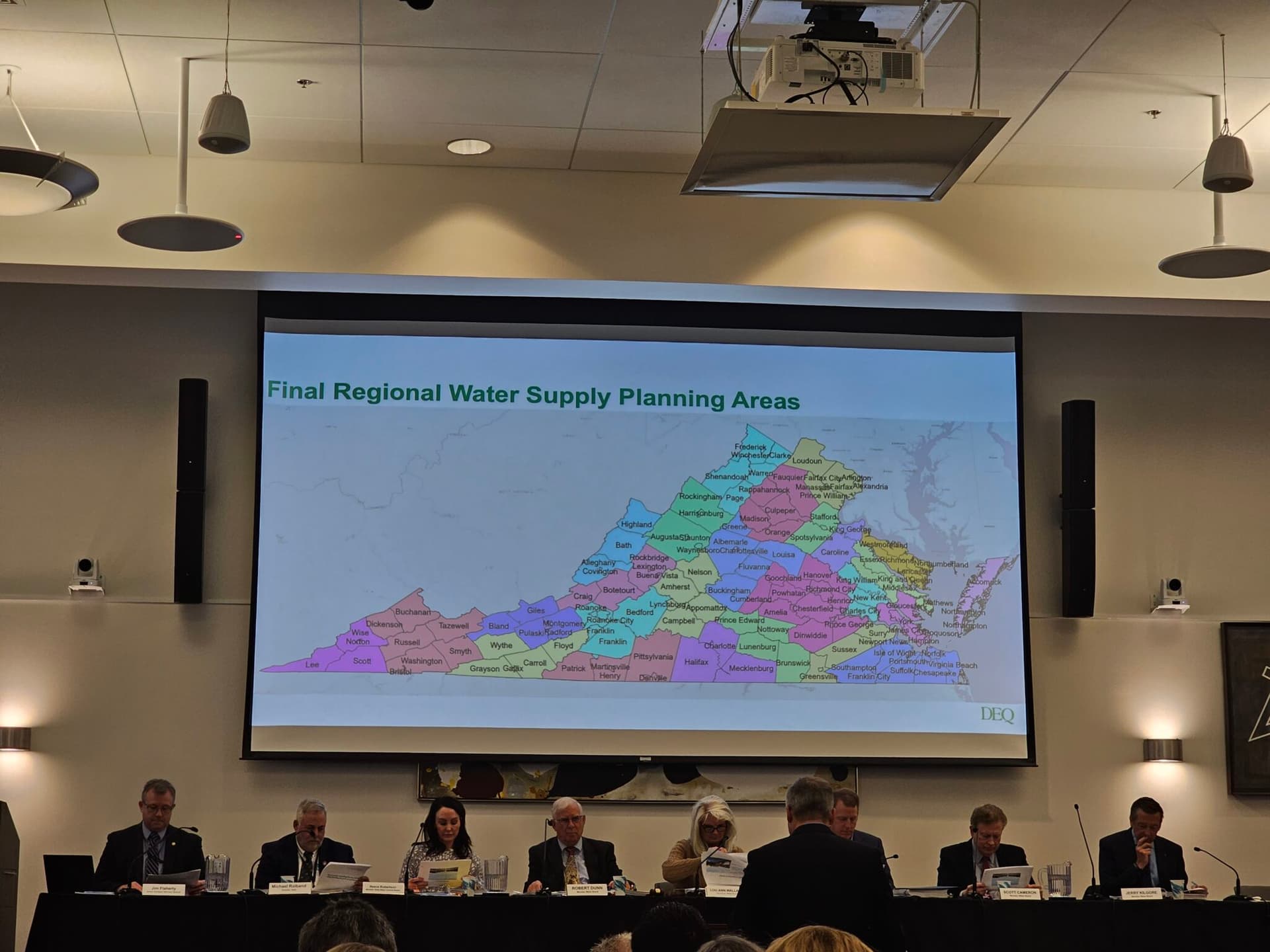
Colorado Senate Bill 24-174 is reshaping how counties connect growth decisions to water reality, and La Plata County has moved further than most of its neighbors toward making that connection binding. The county's planning division launched a formal process in the fourth quarter of 2025 to add both a Water Supply Element and a Strategic Growth Element to its comprehensive plan, with adoption by the Board of County Commissioners targeted for the end of 2026.
The process follows a prescribed sequence: joint work sessions between the Planning Commission and the Board of County Commissioners, consultation with water supply entities, staff drafting, review by the Colorado Department of Local Affairs, and final adoption. The goal is to embed water availability as an explicit constraint on future development approvals rather than a consideration weighed after the fact. La Plata County has direct precedent for why this matters: the Lake Durango Water Authority previously triggered a tap sale moratorium in the county before completing a pipeline project to secure adequate long-term supply.
For residents of Dolores County, the significance extends well beyond county lines. Both counties draw from the same regional hydrological system. The Southwest basin, which encompasses the Dolores and San Juan drainages, is projected to face an additional demand of between 17,000 and 27,000 acre-feet per year by 2050, according to the Basin Implementation Plan. That pressure does not respect administrative boundaries.
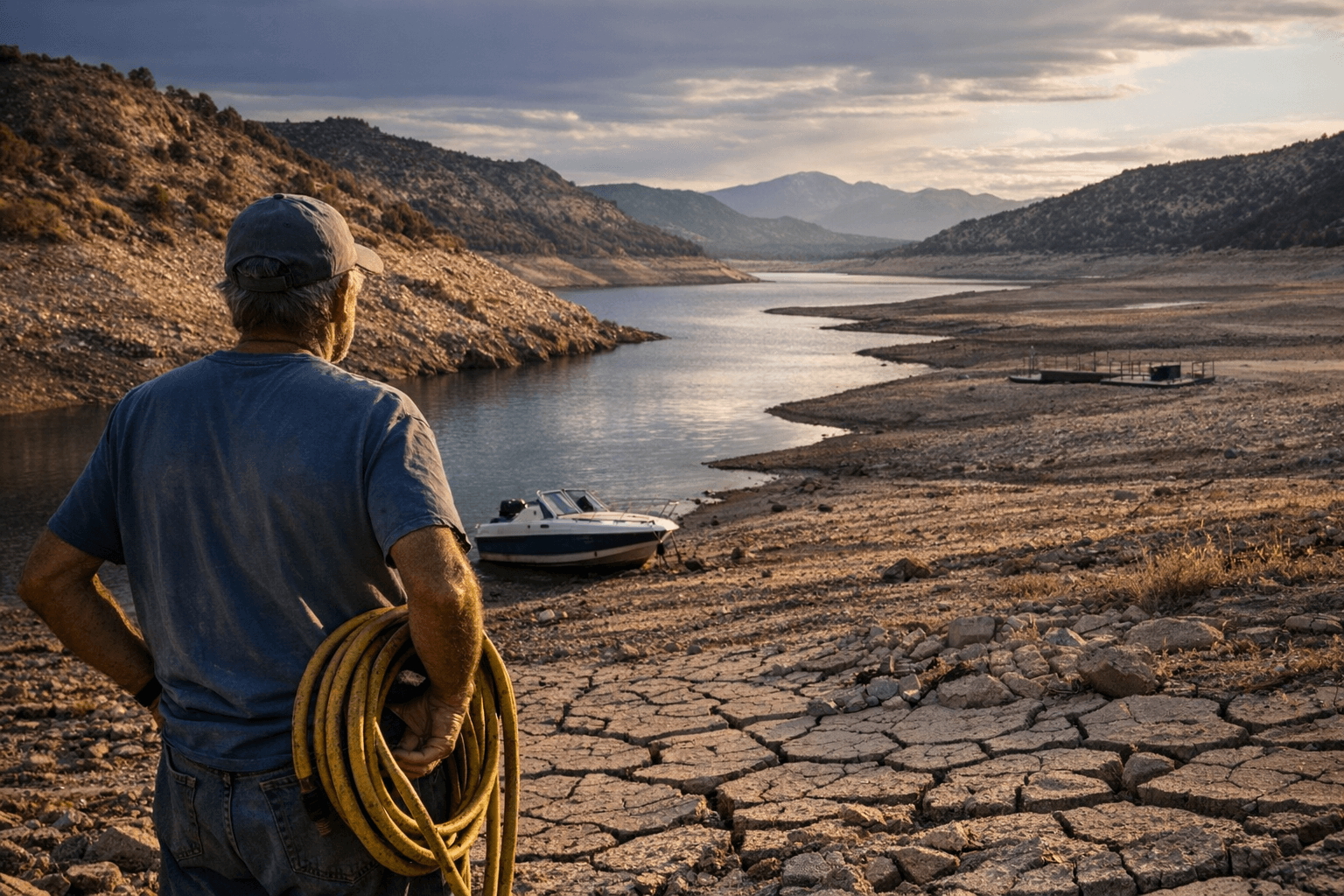
The Dolores River already tells that story in hard numbers. The Dolores Water Conservancy District, which delivers McPhee Reservoir water to farms and municipalities from Dove Creek south through Cortez, cut water users by as much as 44 percent in 2025. That was not an anomaly: district users have faced shortages in five of the last eight years. Water manager Ken Curtis described the 2025 outlook before the season even began as "pretty bad." New water measurement rules for the San Juan and Dolores River Basins, which took effect June 1, 2025, added another layer of regulatory scrutiny to an already strained system.
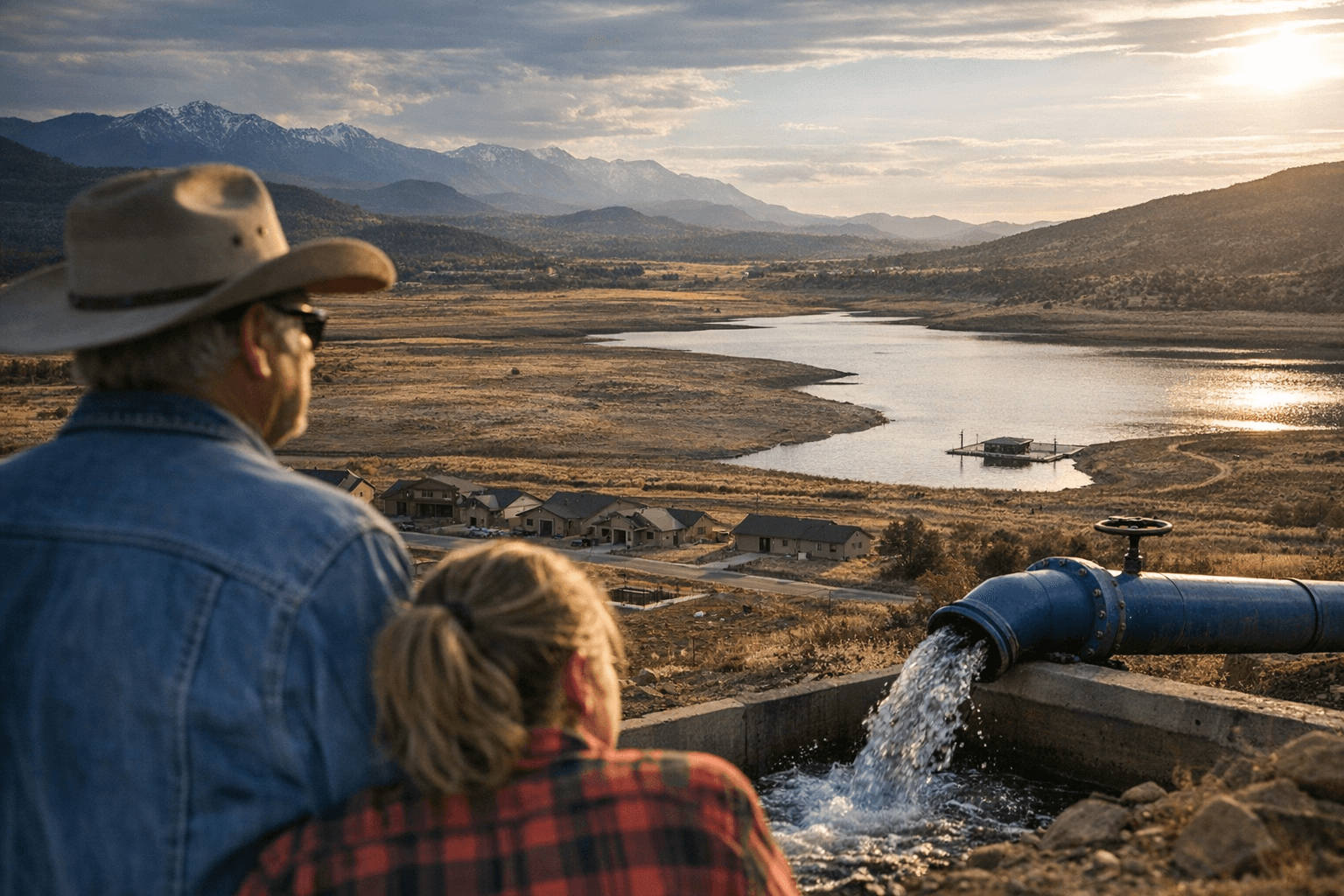
Dolores County has no equivalent planning process underway. SB 24-174 includes population-based exemptions that may shield the county from the same mandates driving La Plata's update. But an exemption is not a plan. Ranchers relying on senior water rights, well owners on exempt permits, and small municipal providers like the Town of Dove Creek are all operating under varying assumptions about what water will be available as the regional climate baseline shifts. The Dolores snowpack's declining runoff has already proven those assumptions fragile.
What La Plata County adopts by the end of 2026 will carry weight as a regional template. If its planning commission and commissioners successfully map development capacity against verified water supply, neighboring counties will face growing pressure to match or adapt that framework. Dolores County's comprehensive plan, which does not yet include a comparable water supply element, may find that question arriving ahead of schedule.
Sources:
Know something we missed? Have a correction or additional information?
Submit a Tip