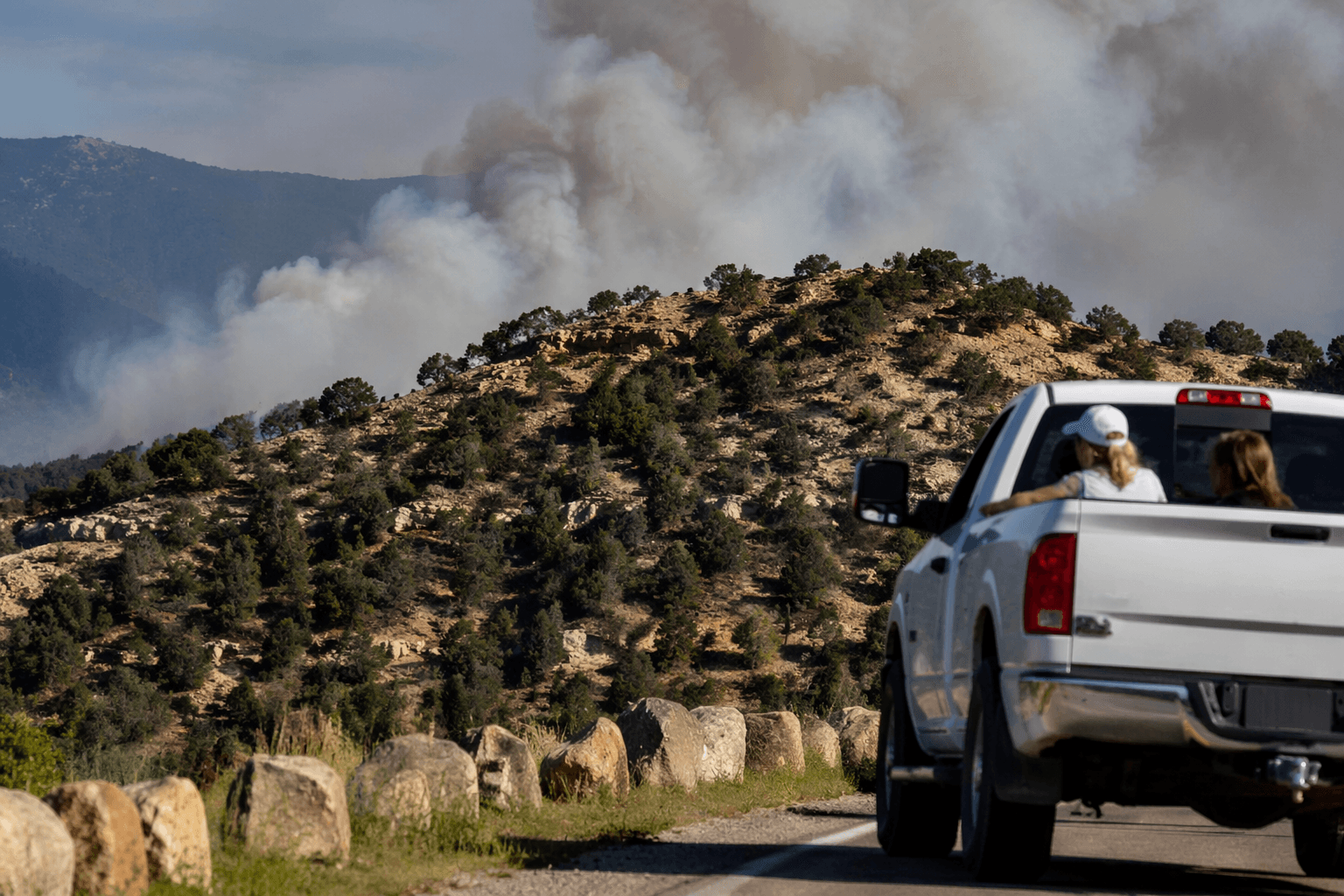
Early Snowpack Shortage Threatens Water Outlook in Dolores County
A KSJD Water Wednesday report on November 19, 2025 found early season snowpack across the Four Corners was well below typical amounts for this point in November, with key basins at roughly one third of normal. Local rainfall was highly variable, and the shortfall raises concerns for streamflows, irrigation supplies, and wildfire risk if follow up storms and spring melt do not materialize.
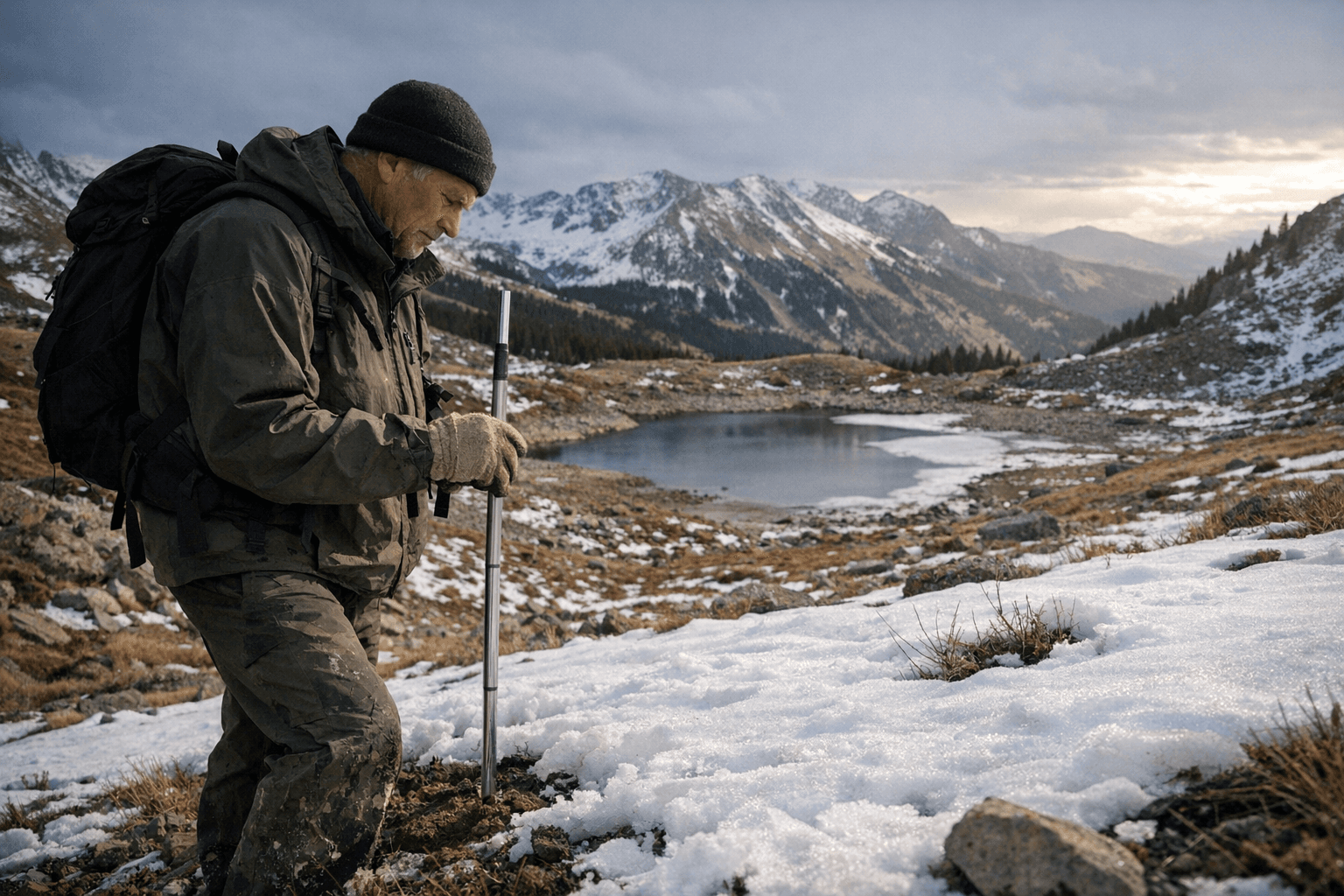
A regional snowpack update published November 19 by KSJD highlighted a worrisome start to the water year for Dolores County and neighboring basins. The San Miguel, Dolores, Animas and San Juan River basins were reported at roughly one third of their normal measured snowfall for mid November, a deficit that matters because early accumulation sets the stage for winter storage and spring runoff.
Weekly rainfall across the region showed a patchwork of moisture but not enough to erase the snow shortfall. Bluff recorded about 0.25 inches, Blanding saw roughly three times that amount, Dove Creek measured about 0.84 inches, and Cortez and Dolores recorded about 0.5 inches, with some outlying locations up to about 0.75 inches. Those scattered rains provided limited local relief, but they did not substantially boost basinwide snowpack numbers.
The U.S. Drought Monitor noted prospects for partial drought relief if forecasted precipitation arrives, yet it cautioned that larger water year outcomes will depend on continued follow up snow and the timing and volume of spring melt. For Dolores County that means household water users, irrigators, ranchers, outfitters and anglers all face uncertainty about streamflows and reservoir levels in the months ahead.
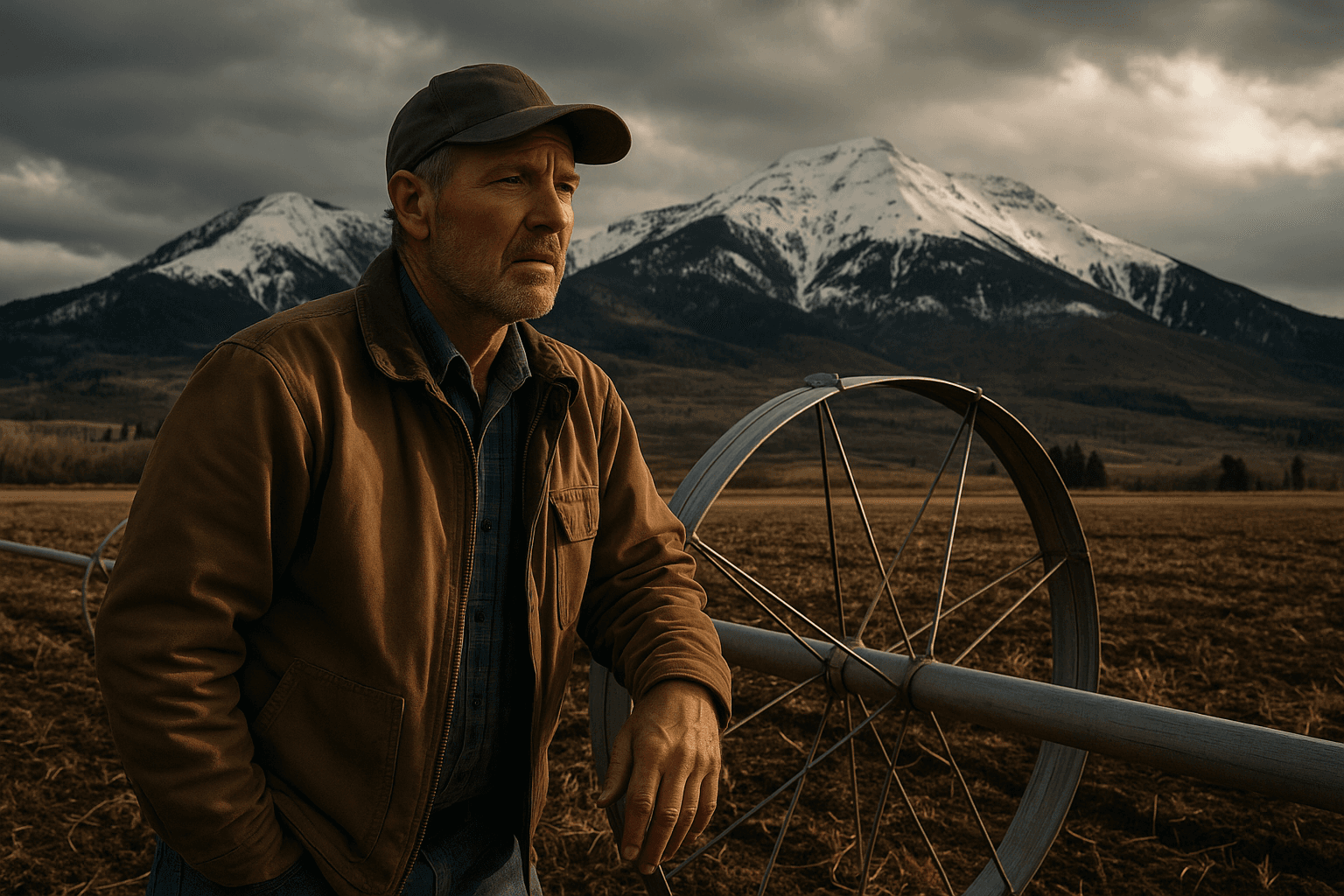
Lower early season snowpack can translate into reduced spring runoff, tighter irrigation allocations, and pressure on municipal supplies, especially in rural communities with limited redundancy. Recreation enterprises that depend on reliable water and late winter snowfall may see altered seasons, and lower flows can exacerbate water quality concerns and stress aquatic habitat. Public safety considerations also rise because drier conditions can increase the size and season length of wildfire risk.
Local water managers and policy makers will need to track conditions closely and consider conservation measures, contingency planning and outreach targeted to vulnerable households and small producers. KSJD directed listeners to regional data sources including NRCS USDA snowpack maps, CoCoRaHS rainfall maps and the Drought Monitor for up to date basin numbers. Residents and recreation users in Dolores County are encouraged to monitor those resources as winter progresses and to plan with local water authorities for potential shortfalls.
This article was produced by Prism’s automated news system from verified source data, official records, and press releases, then run through automated quality and moderation checks before publishing. The system is built and supervised by the people who set the standards it runs under. Read our full AI policy.
Did this article answer your question?