Low Snowpack and Warm Winds Fuel Spring Fire Fears Across Four Corners
Colorado's snowpack hit a 40-year low this winter, and gusty northwest winds sweeping the Four Corners are now pushing that deficit toward serious spring fire danger.
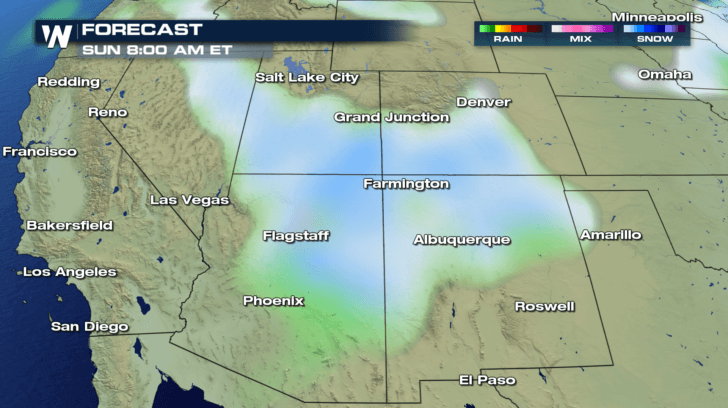
Gusty northwest winds swept across the Four Corners region this week as KSJD news director Lacy "LP" McKay warned in a weather briefing that a rapid warm-up combined with low mountain snowpack was elevating the risk of fire weather across the region. The conditions arriving in Dolores County and its neighbors carried an urgency underscored by a bleak snowpack picture stretching across nearly every Western state.
Colorado's situation stands out even against that grim regional backdrop. "The snowpack in Colorado's mountains is the lowest it's been in over 40 years," said Russ Schumacher, director of the Colorado Climate Center at Colorado State University and the state climatologist. Schumacher noted that his optimism heading into winter had given way to resignation. "We're sitting here in early March and there's not that much time left for things to turn around, unfortunately," he said. "The hope now is that instead of it being a historically bad year, it ends up going down as just a bad year."
The data behind that assessment is stark. Measurements of snow-water equivalent, the amount of water actually stored in the snowpack, show most of the Western continental United States sitting well below average, with many basins recording less than 50% of normal for this time of year and some hovering near 25%. Noah Molotch, a professor of geography at the University of Colorado Boulder, put those figures in plain terms: "When most places are at 50% of average or less, that means there would be twice the amount of snow or more almost everywhere on the map." Only a handful of basins across the West are near average levels.
Higher-than-normal temperatures drove a warmer and drier winter than most Western states typically see, raising parallel concerns about water supply alongside wildfire risk. For communities in the Four Corners, including Dolores County, those dual threats arrive precisely as warming temperatures and winds begin drying out vegetation and soils that a deeper snowpack would otherwise keep moist well into spring.
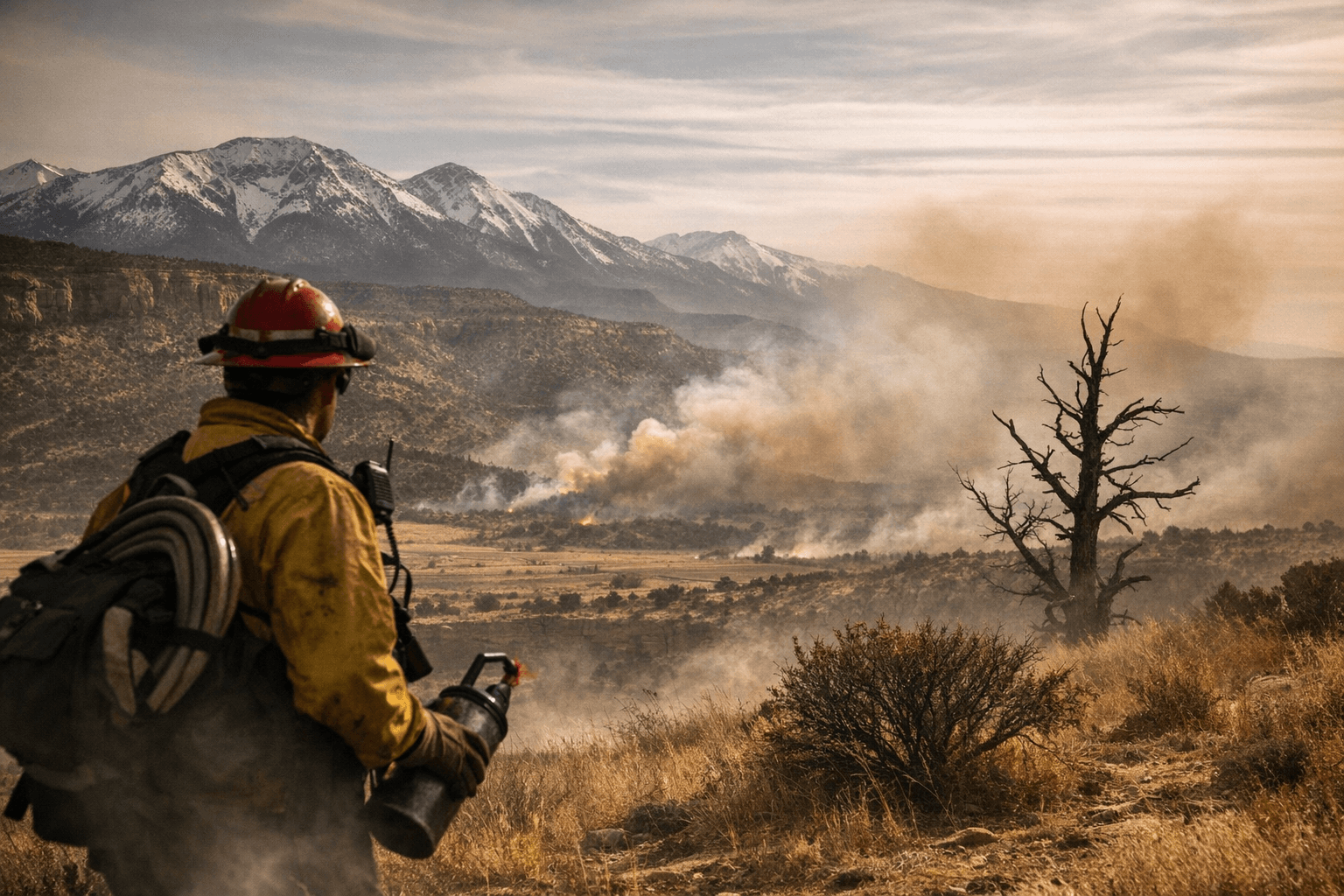
McKay's briefing described the onset of a rapid warm-up with gusty northwest winds, conditions that fire weather experts associate with rapid fuel drying and elevated spread potential when ignitions occur. With the mountain snowpack already well below what would normally buffer that transition into fire season, the margin for a quiet spring is narrow.
What happens over the next several weeks matters enormously. Schumacher acknowledged the window for meaningful snowfall in the Colorado mountains is closing fast, and the best realistic outcome at this point is a bad year rather than a historically catastrophic one.
Know something we missed? Have a correction or additional information?
Submit a Tip