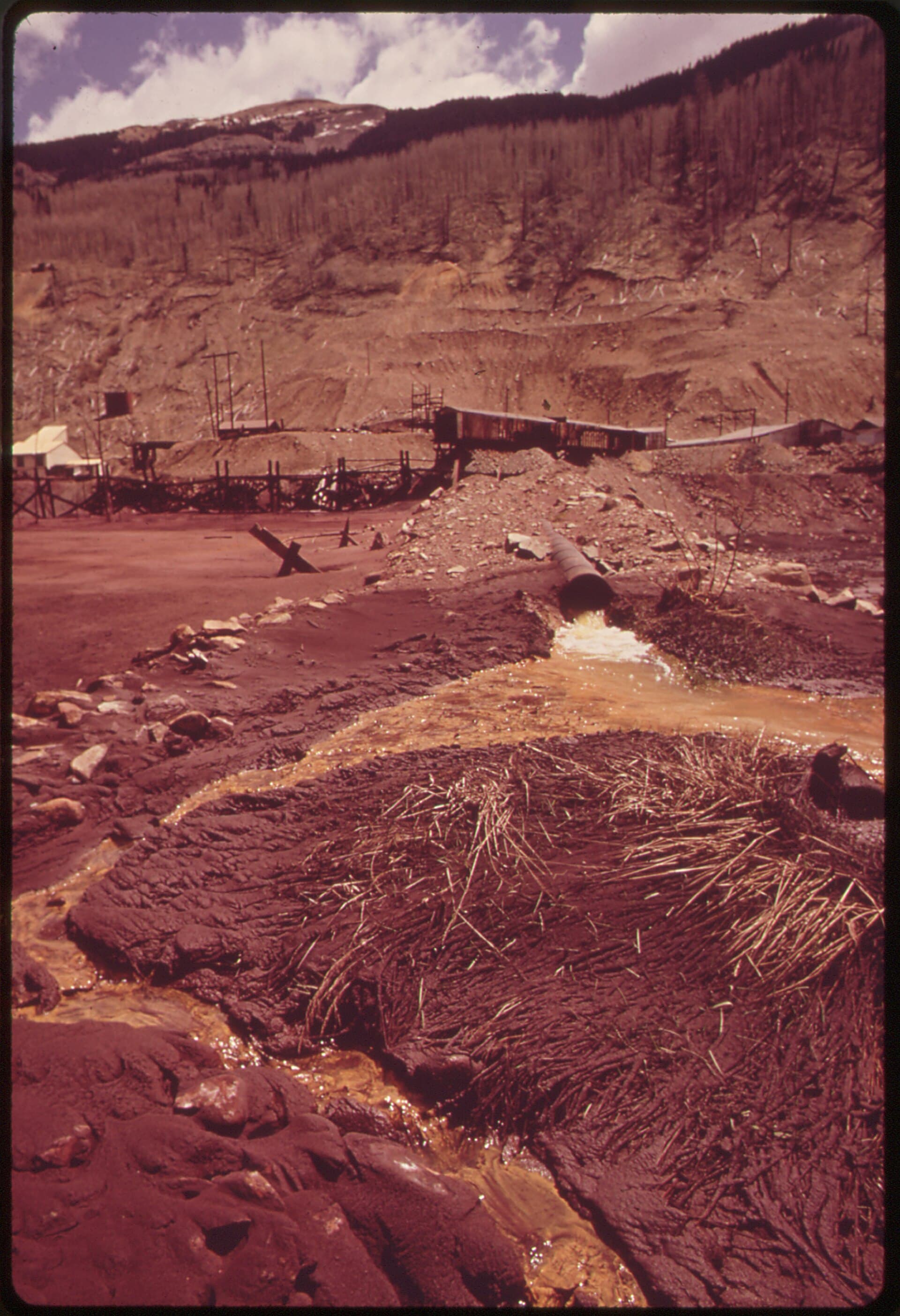
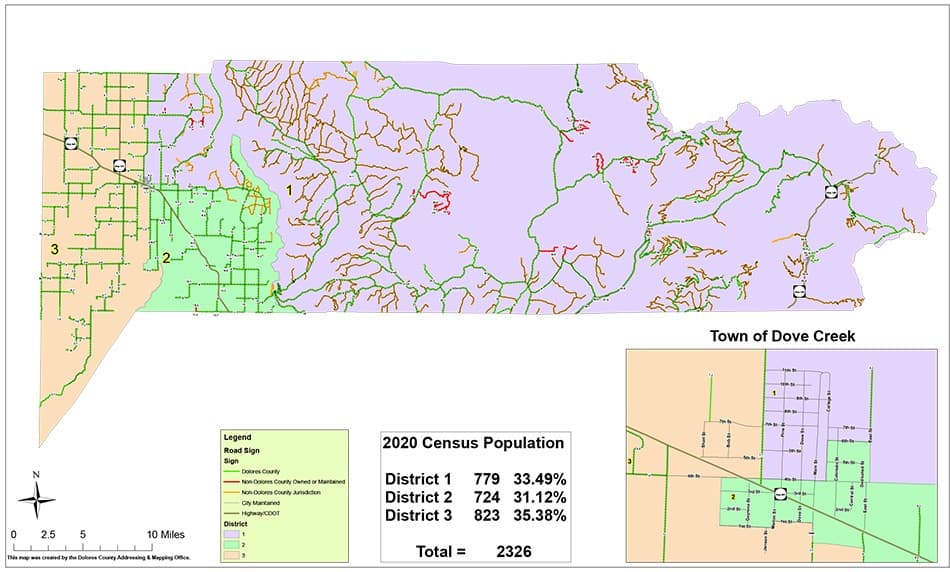
Rico once served as county seat when Dolores County was formed
Rico once held Dolores County’s seat and the county’s center of gravity. Its move to Dove Creek tracks the shift from mining power to agriculture and ranching.
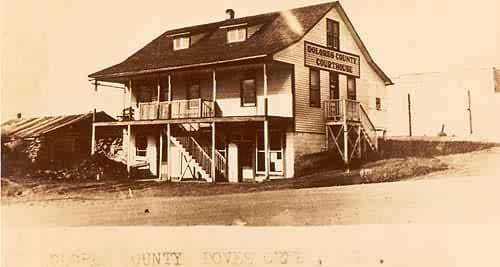
A few houses on the site of Rico mark a place that once sat at the center of Dolores County government. When the county was created on Feb. 19, 1881, Rico became the county seat, and the Pioneer Mining District around it was one of Colorado’s richest early carbonate mining fields. The county seat later moved to Dove Creek, and that shift explains how the county’s power map, economy, and civic identity ended up where they are now.
Rico at the county’s center
Rico was not just another mountain town with a mining camp attached. In the late nineteenth century, it held the county seat for a brand-new Dolores County, giving the town political weight as well as mineral wealth. History Colorado’s account of Rico describes the site as home to the Pioneer Mining District, a place that helped drive the county’s earliest fortunes and tied local government to the mining economy.
That mattered because county seats shape more than courthouse addresses. They draw offices, records, travel patterns, and the daily routines of the people who need county business handled in one place. In Rico’s case, the seat sat close to the ore that justified the town’s rise, which is why its civic importance made sense when mining was the engine.
How Dolores County was formed
Dolores County itself was carved out of Ouray County, and that boundary decision created a new county whose early life was inseparable from Rico’s boom. The county sits on Colorado’s Western Slope and takes its name from the Dolores River, placing it in a remote part of southwest Colorado where geography has always shaped settlement as much as politics. The county’s first layout reflected the era’s mining logic: put the county seat near the productive district and let the courthouse follow the ore.
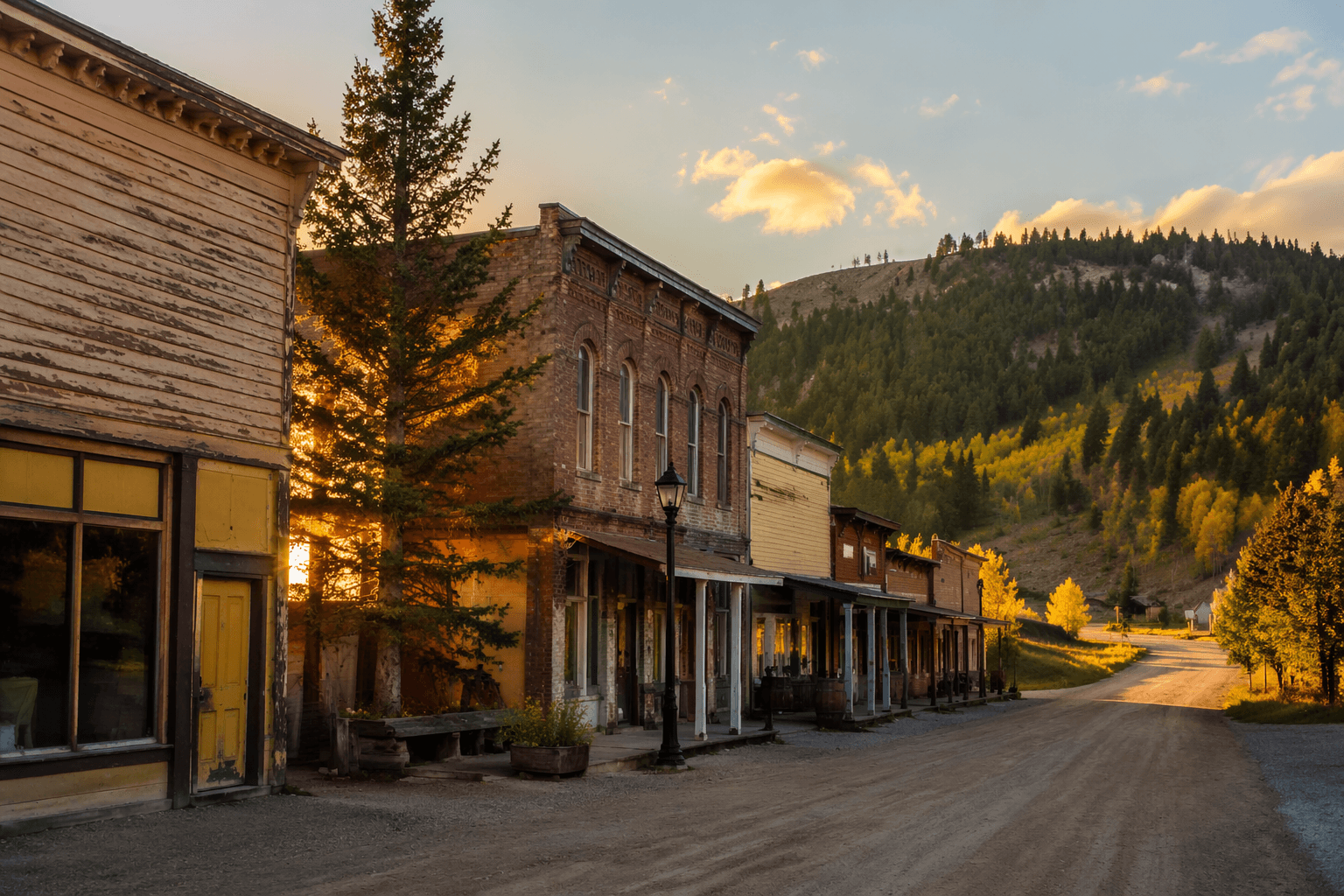
That arrangement did not last once the mining economy weakened. Colorado Encyclopedia describes a brief mining boom around Rico during the late nineteenth century, and that word brief matters. Booms create institutions quickly, but they do not always sustain them, especially in rugged country where transportation is difficult and the population can scatter when the mineral rush fades.
Why the seat moved to Dove Creek
When the county seat shifted from Rico to Dove Creek, the county’s center of gravity followed the people and the land that could support them. Dove Creek is now the county seat and the main center of the county’s agricultural and ranching areas. That move shows how local politics often follows geography: the place with the strongest long-term population base tends to pull county institutions toward itself.
Dove Creek also became known as the Pinto Bean Capital of the World, a nickname that captures the county’s later agricultural identity. Where Rico’s influence came from mining wealth and elevation, Dove Creek’s came from dry farming, beans, and ranching. In practical terms, the county did not lose its backbone when mining declined, but it built a different one on a broader and more stable economic base.
What Rico’s rise and fall says about county power
Rico’s story explains why Dolores County feels so different from a classic courthouse-centered mining county today. The county’s earliest civic life clustered around a high-country boomtown, but its later identity settled in a lower, more agricultural landscape where ranching and bean production could endure. That is the pattern visible across much of western Colorado: mining opens the door, but farming and livestock keep communities in place after the ore rush passes.
The county’s own institutions reflect that continuity. The Dolores County Clerk and Recorder’s office says it has been serving the people of Dolores County since 1881, the same year the county was formed. In a county with a 2024 population estimated at around 2,467, that institutional history matters because the county seat is not an abstract label. It is where residents connect with county government, and that connection now runs through Dove Creek rather than Rico.
What remains visible today
Today, Rico survives more as a reminder than as a county capital. History Colorado notes that a few houses now mark the site, which tells you how thoroughly the boom changed and then receded. Even so, the town’s former status still shapes how the county is remembered, because Rico was once where the county’s political authority, mining power, and hope for growth all overlapped.
That makes Rico a useful lens for understanding Dolores County as it exists now. The county’s present-day map of influence was not drawn by one decision alone, but by mining fortunes, remote geography, and the practical need to anchor county government where people could keep building a life after the boom. Rico’s rise gave Dolores County its first center; the move to Dove Creek gave it the structure that still defines it.
This article was produced by Prism’s automated news system from verified source data, official records, and press releases, then run through automated quality and moderation checks before publishing. The system is built and supervised by the people who set the standards it runs under. Read our full AI policy.
Did this article answer your question?