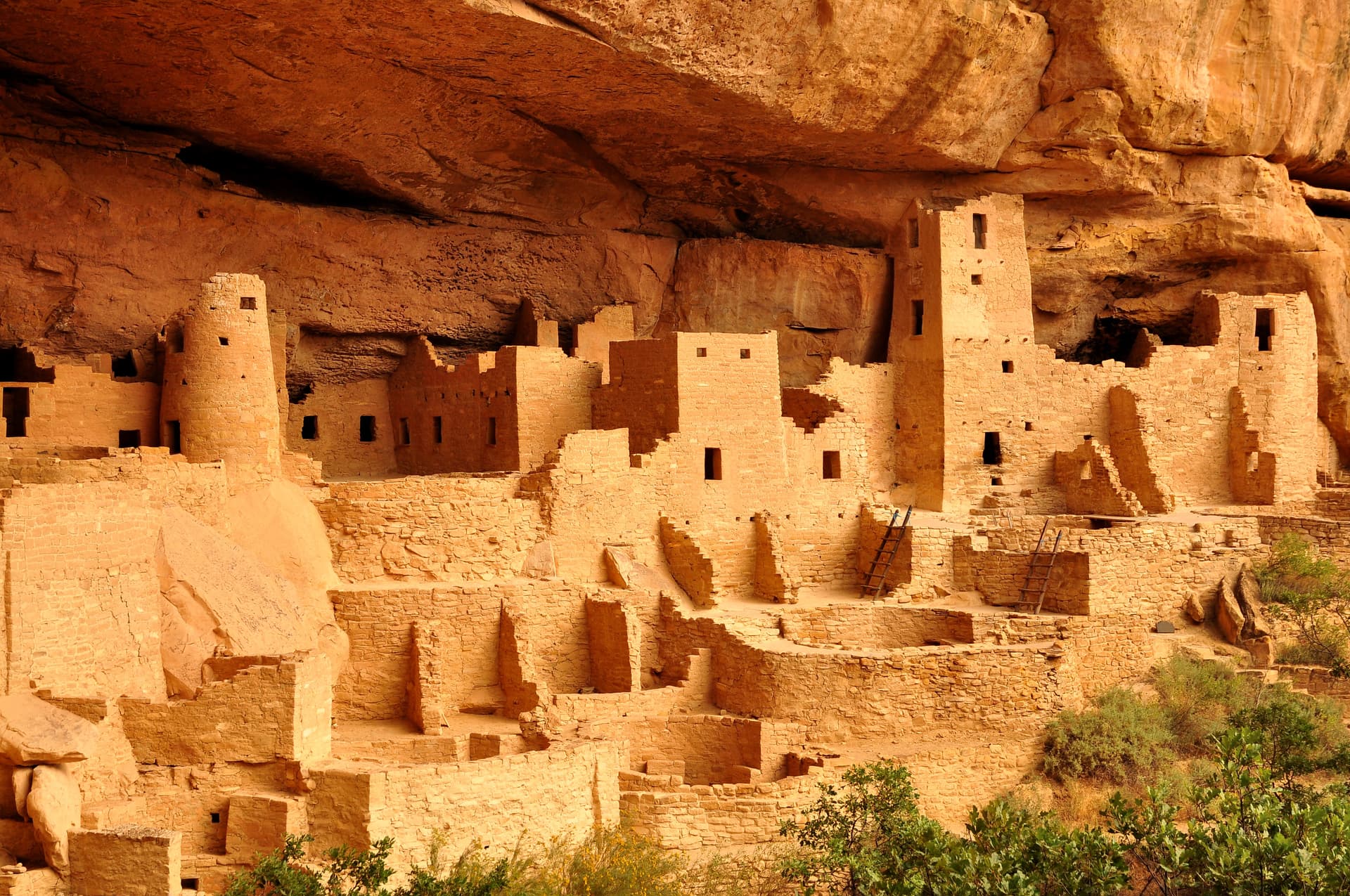
Rico’s courthouse and Kauffman House preserve mining-era legacy
Rico’s 1892 courthouse still runs town government, while the Kauffman House anchors heritage tourism and the town’s cleanup rules now protect both buildings and the ground beneath them.
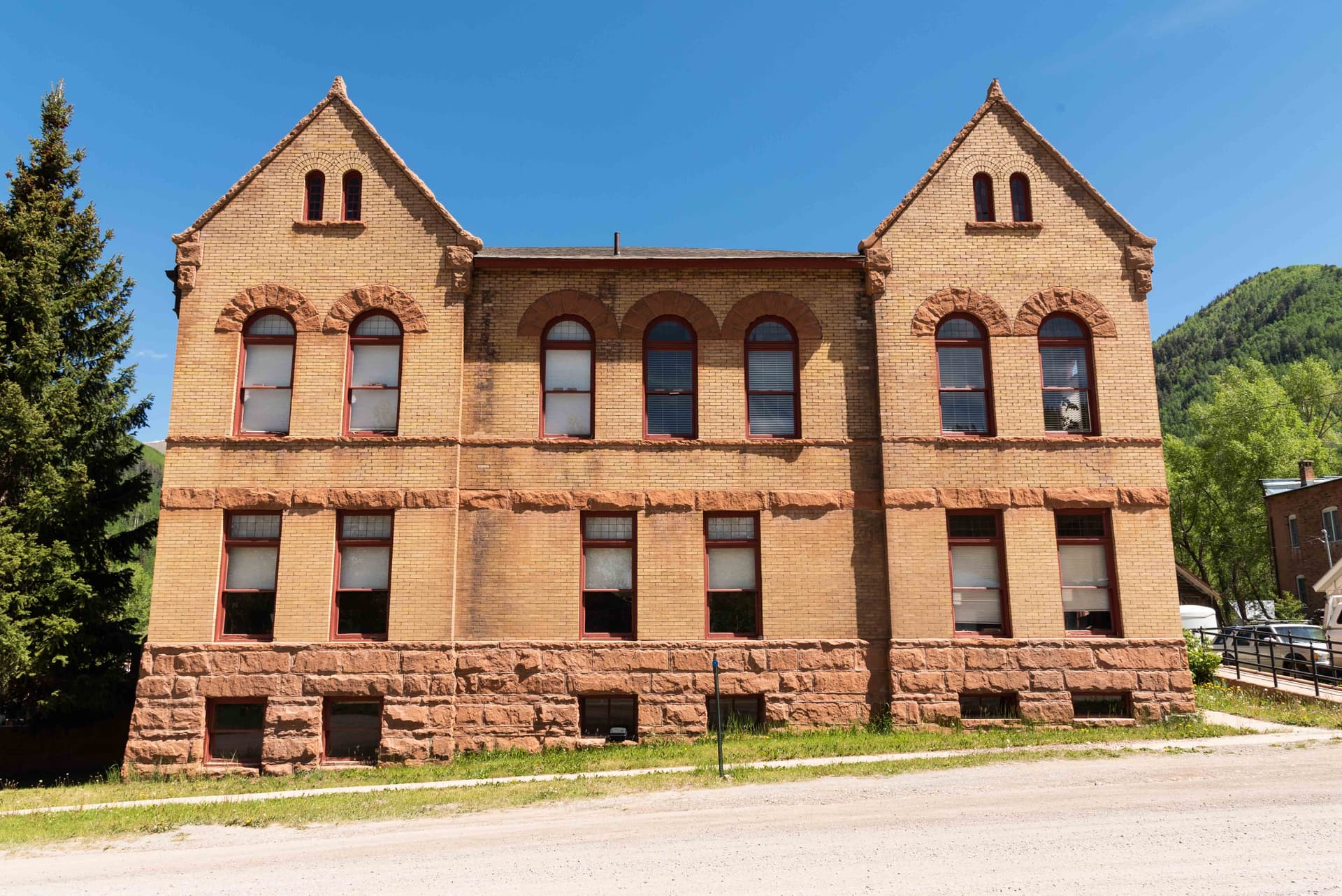
Rico’s former county courthouse still handles the town’s business, and that matters in a place where preservation has to prove its value every day. The 1892 building at Commercial and Mantz streets remains Rico Town Hall, while the William Kauffman House on Silver Street off Mantz Avenue shows a different model of local value, heritage that helps define the town’s story and tourism appeal. Together, they show what it takes to keep historic buildings useful, safe, and funded in a small community.
Rico’s boomtown ambitions still shape the streets
Rico began in 1879 as a silver-mining center in the Pioneer Mining District, and the town still sits high in the San Juan Mountains at about 8,827 feet near Lizard Head Pass. The Rio Grande Southern Railroad reached Rico in 1891, and by 1892 the town reportedly had about 5,000 residents, 23 saloons, two churches, two newspapers, a bank, a theater, a boarding house, a mercantile, and a three-block red-light district. Today, Rico has only about 280 to 300 residents, a scale that makes the surviving buildings read like evidence from another economy.
That contrast is part of the point. Rico now functions mainly as a heritage and tourism stop, but its historic core still carries the imprint of a county seat that once expected mining wealth to last. In a town this small, the courthouse and the Kauffman House are not decorative leftovers. They are the built record of how civic ambition and private capital showed up when silver money was moving through Dolores County.
The courthouse still works as town hall
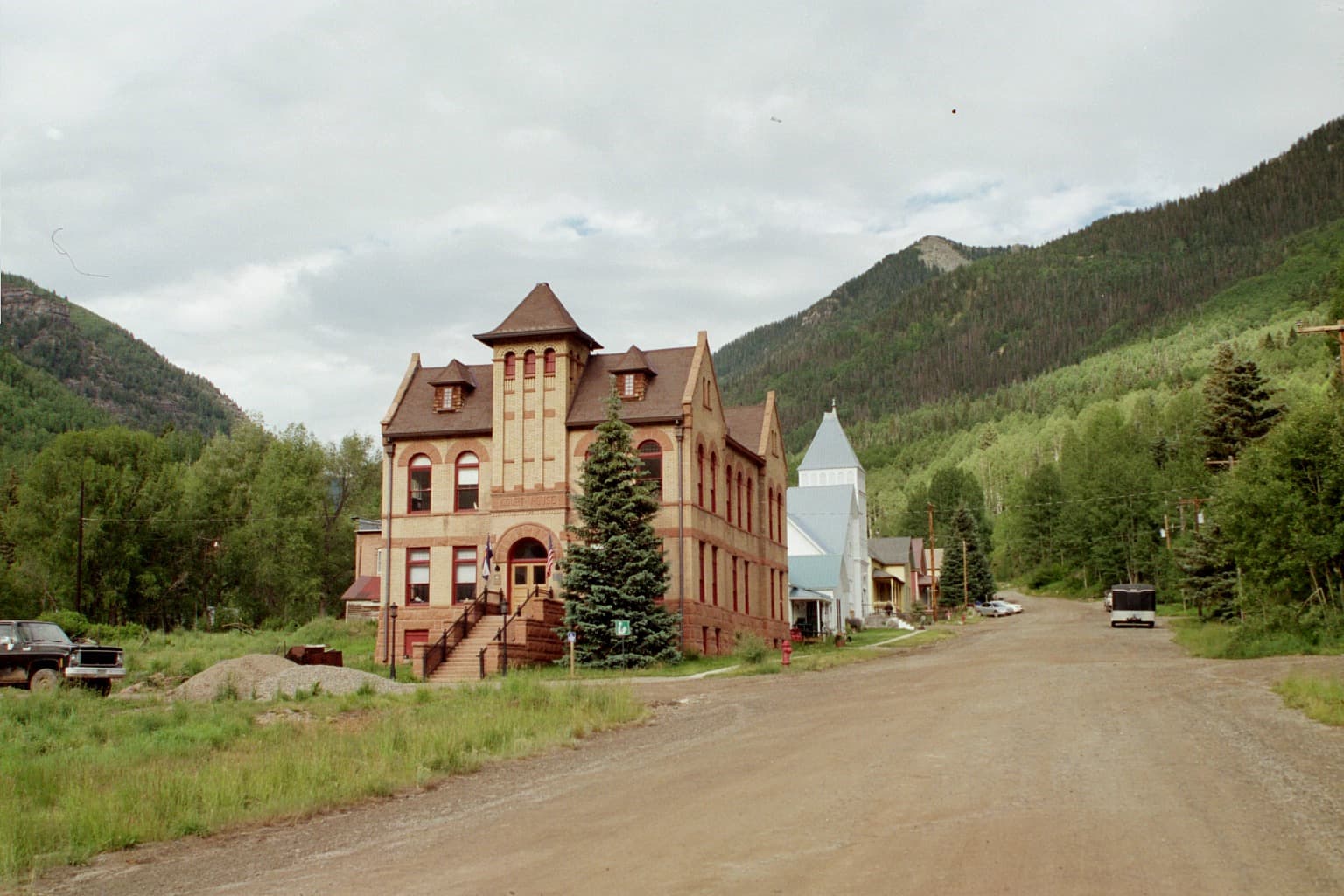
The Dolores County Courthouse in Rico was built in 1892 as a two-story light red brick structure with a raised basement, red sandstone at the basement level, and sandstone detailing around the windows. History Colorado lists it on the National Register of Historic Places as of December 31, 1974, and the building was transferred to the Town of Rico in 1956 for town offices and meeting space. It is still in public use as Rico Town Hall, which is what makes it more than a preserved façade.
That public function changes the preservation question. A courthouse that still hosts municipal work has to stay safe, accessible, and structurally sound for meetings, records, and everyday local government. The nomination form also noted that no design plans could be found, and suggested the builder and stonemasons may have shaped the design during construction. Later sources identify the work with builder Charles H. Carpenter and architect John James Huddart, but the surviving structure itself remains the clearest proof of the town’s late-19th-century confidence.
The town’s use of the building also shows how preservation can become a practical civic decision. After the 1956 transfer, volunteers replaced the roof and the main floor was renovated, a reminder that keeping a historic public building alive often depends on more than admiration. It depends on labor, maintenance, and the willingness to treat a landmark as part of the town’s operating infrastructure.
The Kauffman House shows a private version of permanence
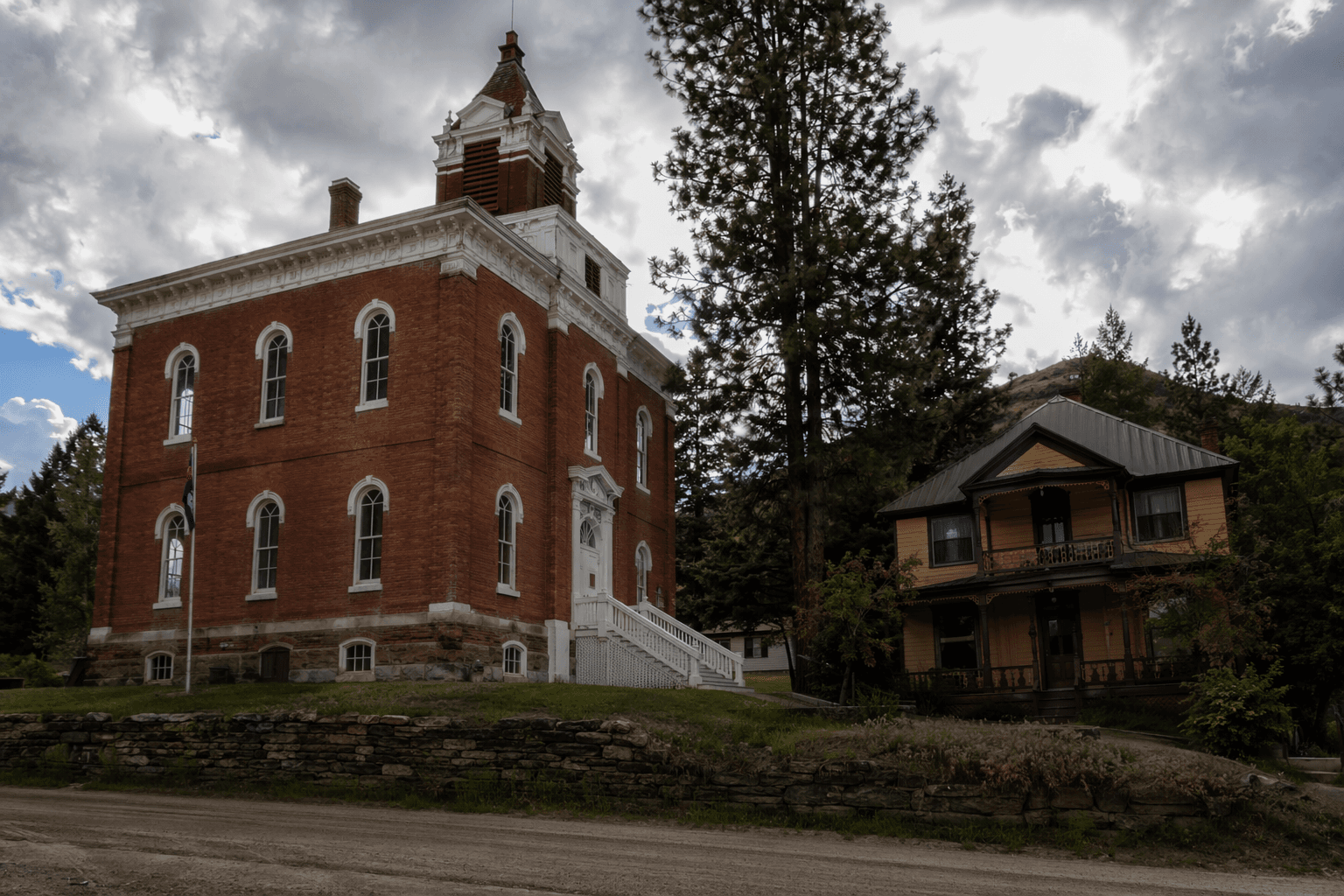
The William Kauffman House, built around 1891 to 1892, is Rico’s only masonry residence. That distinction matters in a mining town where so much of the built environment was more temporary or easier to replace. The two-story brick house, roughly 25 by 35 feet with a shallow-pitched roof, was the home of the Kauffman family until 1915 and was listed on the National Register of Historic Places on October 29, 1982.
Its later history adds another layer to Rico’s economy. The Rico Argentine Mining Company acquired the house in the 1940s and used it for worker housing until the mine closed in 1971. After a period of vacancy, the building was restored in the early 1980s. That sequence, from family home to company housing to restored landmark, tracks the broader arc of mountain-town reuse, where buildings survive by changing jobs.
As a preservation asset, the Kauffman House carries a different kind of value than the courthouse. The town hall represents civic continuity. The Kauffman House represents the domestic side of mining-era prosperity, the moment when a family could turn boom-town confidence into brick and mortar. For visitors, that makes it one of the clearest places in Rico to see how private wealth once translated into permanence.
Why the pair matters to Rico now
Seen together, the courthouse and Kauffman House explain why Rico’s historic district is worth protecting as a working place, not just a memory. One building still anchors government at Commercial and Mantz. The other preserves the scale and material choices of a prosperous mining household on Silver Street. If either were lost, Rico would lose more than an old structure. It would lose a visible part of the town’s civic identity and one of its strongest heritage draws.
That preservation task now extends beyond the buildings themselves. In October 2024, Rico and state officials announced a landmark lead-contamination cleanup agreement with Atlantic Richfield Co. and BP America. The Colorado Department of Public Health and Environment said the cleanup program will remediate lead in soil throughout the town, and Rico adopted a land-use ordinance to regulate future digging and excavation. The town’s preservation work now includes not just roofs and masonry, but the ground underneath the historic core.
The cleanup sits within Colorado’s Voluntary Cleanup and Redevelopment Program, created in 1994 and now overseeing more than 1,500 projects statewide. For Rico, that places the town’s preservation challenge in a larger state framework: keep the historic buildings usable, make the land safer, and protect the places that still define the town’s public life. In a community this small, that is how heritage stays functional instead of fading into scenery.
This article was produced by Prism’s automated news system from verified source data, official records, and press releases, then run through automated quality and moderation checks before publishing. The system is built and supervised by the people who set the standards it runs under. Read our full AI policy.
Did this article answer your question?