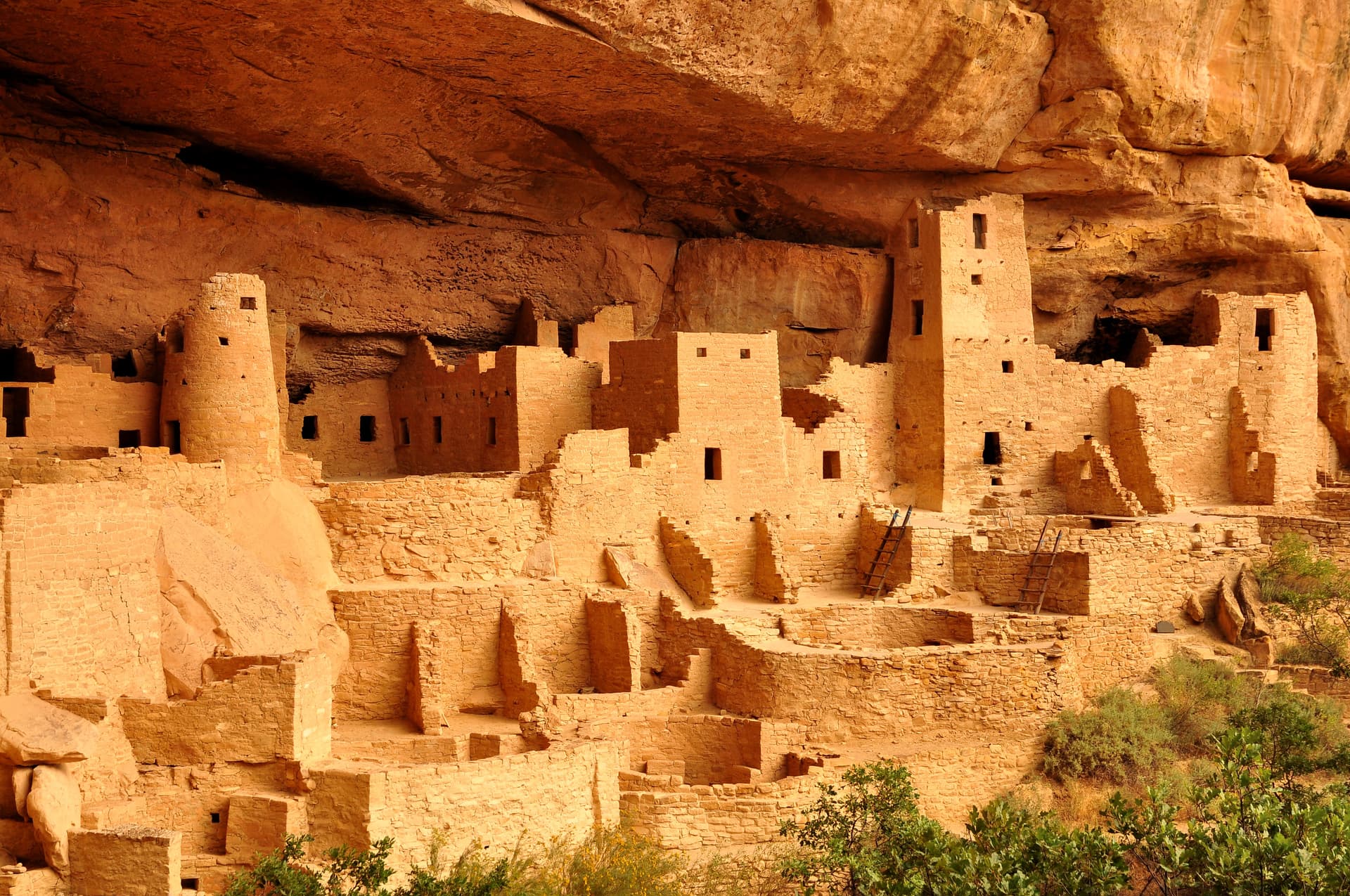
Warm, dry winter may disrupt wildlife migrations in Dolores County
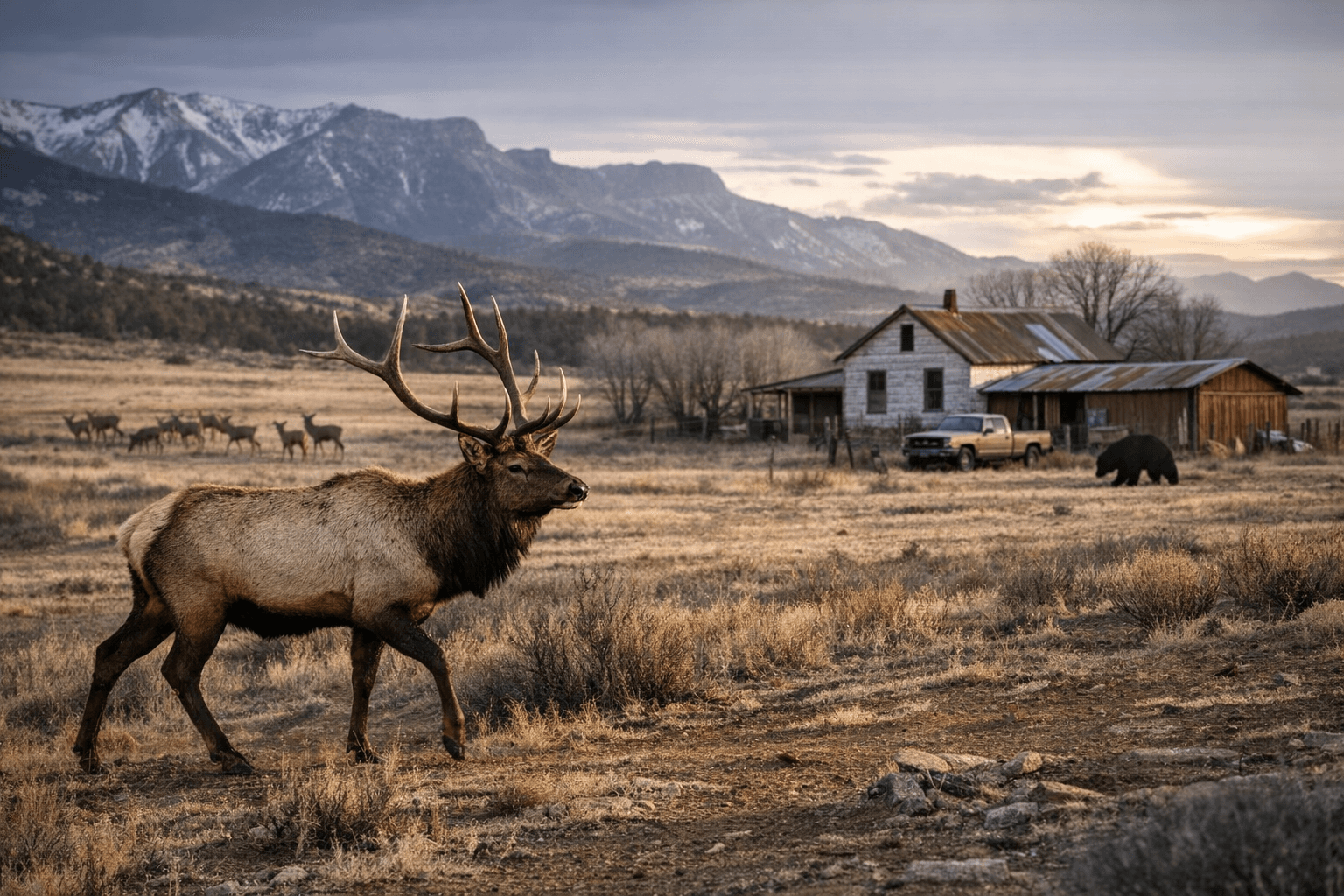
Warm, dry conditions are already shifting wildlife movement in Dolores County, with elk, deer and even bears likely to show up where people do not expect them.
A winter out of step with wildlife
A warm, dry winter can do more than change the view from the road. In Dolores County, it can pull deer and elk off their normal schedule, push animals into unusual places, and raise the odds of crossing paths with people, livestock and vehicles.
That risk is not abstract. Durango logged above-average temperatures this winter, with record highs in December and February and much of January in the high 40s and low 50s. When conditions stay that mild, the timing of migration, feeding and habitat use can shift fast enough to matter on ranches, county roads and river bottoms across Southwest Colorado.
What changes when winter stays warm
Colorado Parks and Wildlife says elk and deer normally migrate seasonally, moving from higher to lower elevations in winter to follow plant growth and weather. Those routes are not random. They depend on winter range and migration corridors that animals have used for generations.
When snow does not build up as expected, or when weather stays mild for longer than usual, those movements can become less predictable. Deer and elk may linger higher than normal, move earlier or later than expected, or spread into different pockets of habitat as they search for food and cover. For people living and working in Dolores County, that can mean more wildlife near roads, fencelines, haystacks and rural properties.
Why daily life in Dolores County can feel the impact first
The immediate concern is not just ecology. It is the practical question of where animals go when the landscape does not follow its usual winter script. More deer and elk near low-elevation forage can increase the chance of collisions on high-volume roadways and low-volume county roads alike, especially where movement corridors are cut by development, recreation traffic or fencing that is not built to wildlife-friendly standards.
That has knock-on effects for ranchers, drivers, hunters and pet owners. Ranchers may see deer and elk competing with livestock for limited forage or moving through winter feed areas. Drivers face a higher chance of surprise crossings at dawn and dusk. Residents who walk dogs or keep small animals outside can also see wildlife closer to homes than they expect, especially when animals are changing habitat use in response to unusual weather.
A policy problem Colorado has already identified
Colorado has already treated wildlife migration as a statewide transportation and land-use issue, not just a wildlife issue. On August 21, 2019, Governor Jared Polis directed Colorado Parks and Wildlife and the Colorado Department of Transportation to work together to conserve big game winter range and migration corridors.
That effort led to CPW’s 2020 big game winter range and migration corridor report, compiled with more than 40 conservation partners. The report was meant to guide protection efforts and identify research and data gaps, a signal that the state sees these routes as infrastructure in their own right. In practical terms, that matters in places like Dolores County, where roads, housing, recreation and fencing can all interfere with seasonal movement.
Local warnings came early, and the numbers were already moving the wrong way
Dolores County has heard this message before. In February 2020, about 90 hunters packed a Dolores Community Center presentation to hear CPW discuss the local elk herd. At that meeting, wildlife officials said Southwest Colorado elk numbers had fallen from an estimated 19,500 in 2015 to 16,889 in 2019.
CPW also said 2,500 archery elk tags were issued locally the previous season, a 25% increase from the season before. That combination of declining herd numbers and higher hunting pressure made clear that the region was already managing a stressed resource. A winter that disrupts movement and habitat use adds another layer of uncertainty to that picture.
The Dolores River system is part of the same story
The lower Dolores River basin is not just scenery. Conservation groups say it provides important fish and wildlife habitat, including native fish species of concern and key winter habitat for deer and elk. Western Rivers Conservancy says the Dolores River runs about 240 miles from its headwaters to the Colorado River, making the health of its headwaters and wetland corridors central to the broader ecosystem.
That is why protection of places like Dunton Meadows matters. Western Rivers Conservancy says the 160-acre wetland meadow complex at the headwaters of the Dolores River was protected in October 2024 and supports Colorado River cutthroat trout, Rocky Mountain elk, mule deer, black bear, Canada lynx and American marten. In a warm, dry winter, habitat like that can become even more important as animals concentrate in the remaining places with water, cover and forage.
Why warm winters can also mean more bears near people
The concern does not stop with deer and elk. Colorado wildlife coverage in recent years has linked warm, dry conditions to earlier bear emergence and a higher risk of human-bear conflict. That matters in Southwest Colorado because earlier emergence can bring bears out before natural foods are ready, increasing the odds that they search for garbage, pet food or other attractants near homes and neighborhoods.
For Dolores County residents, that means a winter that feels easier on the roads may still create new safety problems around yards, outbuildings and rural trash storage. It is another reminder that mild weather can shift wildlife behavior in ways that are easy to miss until animals are already in the wrong place.
What to watch now
The clearest signs of disruption are often the simplest ones. Deer and elk showing up outside their usual winter range, more frequent crossings on familiar roads, bears appearing earlier than expected, or wildlife lingering in irrigated or sheltered areas can all point to a season in flux.
For people in Dolores County, the practical response starts with paying attention to where animals are moving and where conflicts are building. The state has already identified migration corridors, winter range and transportation barriers as policy priorities. A warm, dry winter makes that work feel less like long-range planning and more like a current safety issue, one that will shape how wildlife, roads and working lands interact across Southwest Colorado.
This article was produced by Prism’s automated news system from verified source data, official records, and press releases, then run through automated quality and moderation checks before publishing. The system is built and supervised by the people who set the standards it runs under. Read our full AI policy.
Did this article answer your question?