Wolf Creek Pass Offers Recreation, Travel Tips for Dolores County Visitors
Wolf Creek Ski Area's 77+ trails and year-round US-160 access make this San Juan Mountains pass a top regional draw, but winter's steep grade demands preparation.
Deep within the San Juan Mountains, Wolf Creek Pass sits squarely on the Great Continental Divide, carrying US-160 between South Fork and Pagosa Springs across one of Southwest Colorado's most dramatic stretches of highway. The pass takes its name from Wolf Creek, a San Juan River tributary whose headwaters begin near the summit, and the surrounding corridor touches both the Rio Grande and San Juan National Forests, putting an enormous swath of public land within reach of anyone traveling this east-west artery.
For communities across Dolores County and neighboring counties, this corridor is more than scenic: it is a practical lifeline for commerce, recreation, and regional travel, and the Wolf Creek Ski Area is among the most consistent draws in the entire Four Corners region.
Winter at Wolf Creek Ski Area
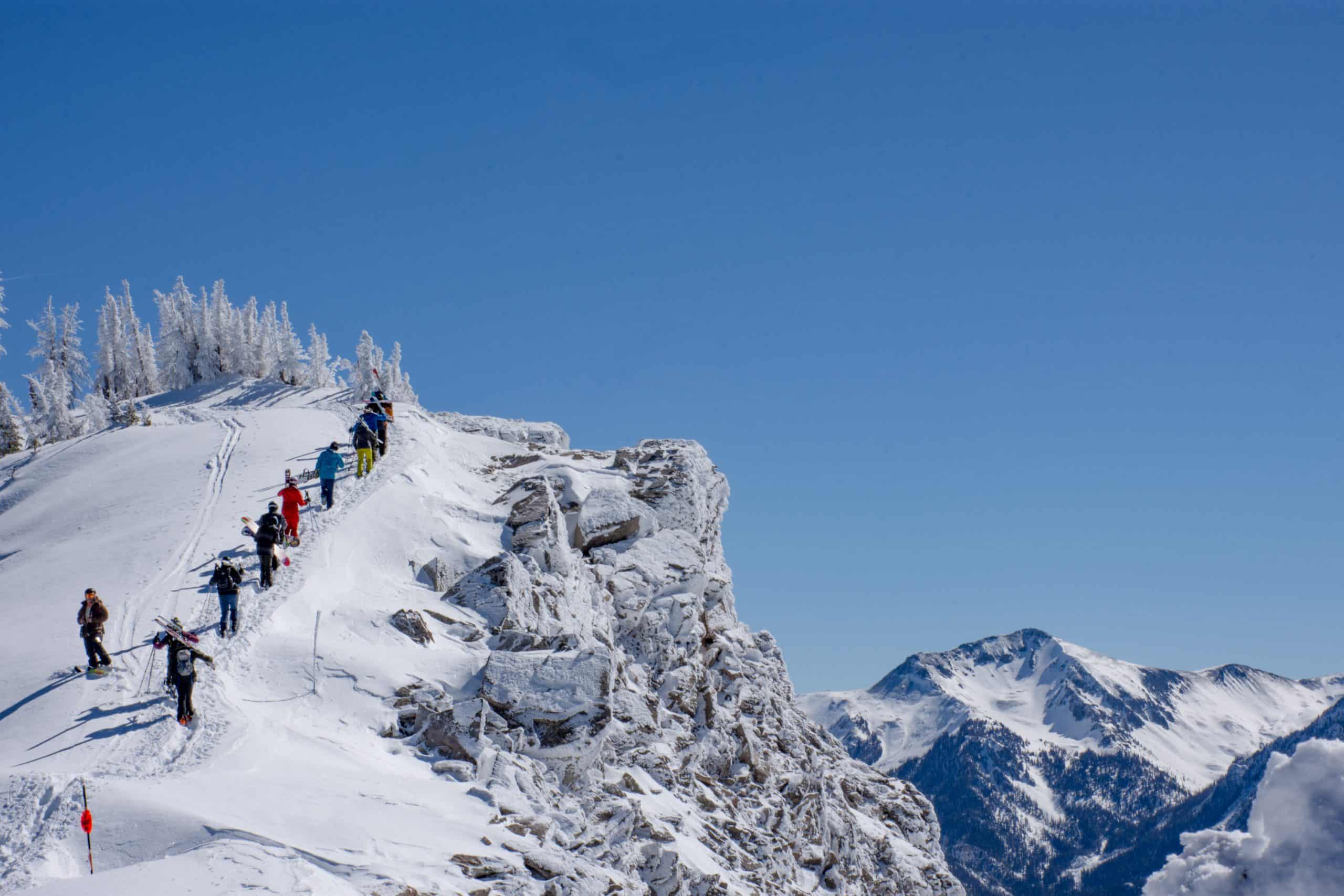
When winter arrives, US-160 fills with traffic heading to the Wolf Creek Ski Area, located just north of the pass. The ski area has earned a devoted following, widely considered one of the best places to ski in Colorado by many locals who love the enormous amount of snow the area receives. That reputation is backed by terrain that can occupy skiers and snowboarders for days: there are over 77 trails of varying difficulty along with bowls, chutes, and space for tree skiing, giving both first-timers and backcountry-minded veterans something worth returning for.
A small village serves the area with rentals, food, a brewery, and a gift shop, which means a day trip from Cortez or Durango can be self-contained without hauling excessive gear. The proximity of the ski area to the pass itself makes this one of the more accessible Colorado ski destinations, without the resort-town price inflation found along I-70.
Summer and Shoulder Seasons
Once the snowpack recedes, the pass transitions into an entirely different kind of destination. Hiking, camping, and backpacking opportunities are ample in the surrounding Rio Grande and San Juan National Forests, with trailheads fanning out across terrain that ranges from gentle valley walks to demanding high-elevation routes.
The most significant access point for serious hikers sits at the top of the pass itself: the Wolf Creek trailhead connects directly to the Continental Divide Trail, a multi-state 3,100-mile trail that runs an 800-mile section through Colorado alone. Stepping onto the CDT at Wolf Creek puts hikers at one of the most storied waypoints on the entire route, with the divide stretching north and south through country that sees far less foot traffic than trailheads near Denver or Durango. Day-hikers can get a genuine taste of the CDT without committing to an overnight, while backpackers can push into multi-day routes in either direction.
There is also a waterfall accessible along the pass, making even a short roadside stop worthwhile for families or anyone passing through on US-160.
Road Conditions and Seasonal Safety
US-160 is well-maintained and accessible year-round, which distinguishes Wolf Creek Pass from some of Colorado's more temperamental high routes. That said, it can be dangerous in the winter due to the steep grade and numerous curves, and the climb should not be treated casually when conditions deteriorate.
A few practical points every driver should know before attempting the pass in winter:
- There are no vehicle restrictions on US-160 to access Wolf Creek Pass, so passenger cars are permitted regardless of season.
- Four-wheel drive is strongly recommended in winter conditions, and Colorado traction and chain laws may be applicable depending on road status.
- Drivers can use the wide shoulder before the steep descent as a chain-up station if weather requires, so arriving prepared with chains or traction devices is worth the advance planning.
The steep grade that makes the ski area accessible also means that the descent on the opposing side demands attentive driving, particularly after fresh snowfall or during low-visibility storms. Checking Colorado Department of Transportation road conditions before departure is a practical step any winter traveler should build into their routine.
What to Know Before You Go
Whether the goal is a ski day, a CDT thru-hike segment, or simply a scenic drive between Pagosa Springs and South Fork, Wolf Creek Pass rewards visitors who understand what they are driving into. The pass is not a resort corridor with heavy commercial infrastructure; the small village near the ski area covers the basics, but travelers should not count on multiple fuel stops or lodging options along US-160 itself.
Summer visitors planning to camp or backpack in the Rio Grande or San Juan National Forests should check with the relevant Forest Service offices for current conditions, permit requirements, and trailhead access before heading out. The CDT in particular can carry lingering snowpack well into June at this elevation, making early-season planning especially important.
For Dolores County residents making the drive east toward Pagosa Springs or beyond, Wolf Creek Pass is simply part of life on US-160. For visitors arriving from outside the region, it is a corridor that consistently delivers more than expected: high-caliber skiing, legitimate wilderness access, and mountain scenery that holds up against any comparable stretch of road in the state.
This article was produced by Prism’s automated news system from verified source data, official records, and press releases, then run through automated quality and moderation checks before publishing. The system is built and supervised by the people who set the standards it runs under. Read our full AI policy.
Did this article answer your question?