Castle Rock artist turns 200-year-old stump into cowboy sculpture
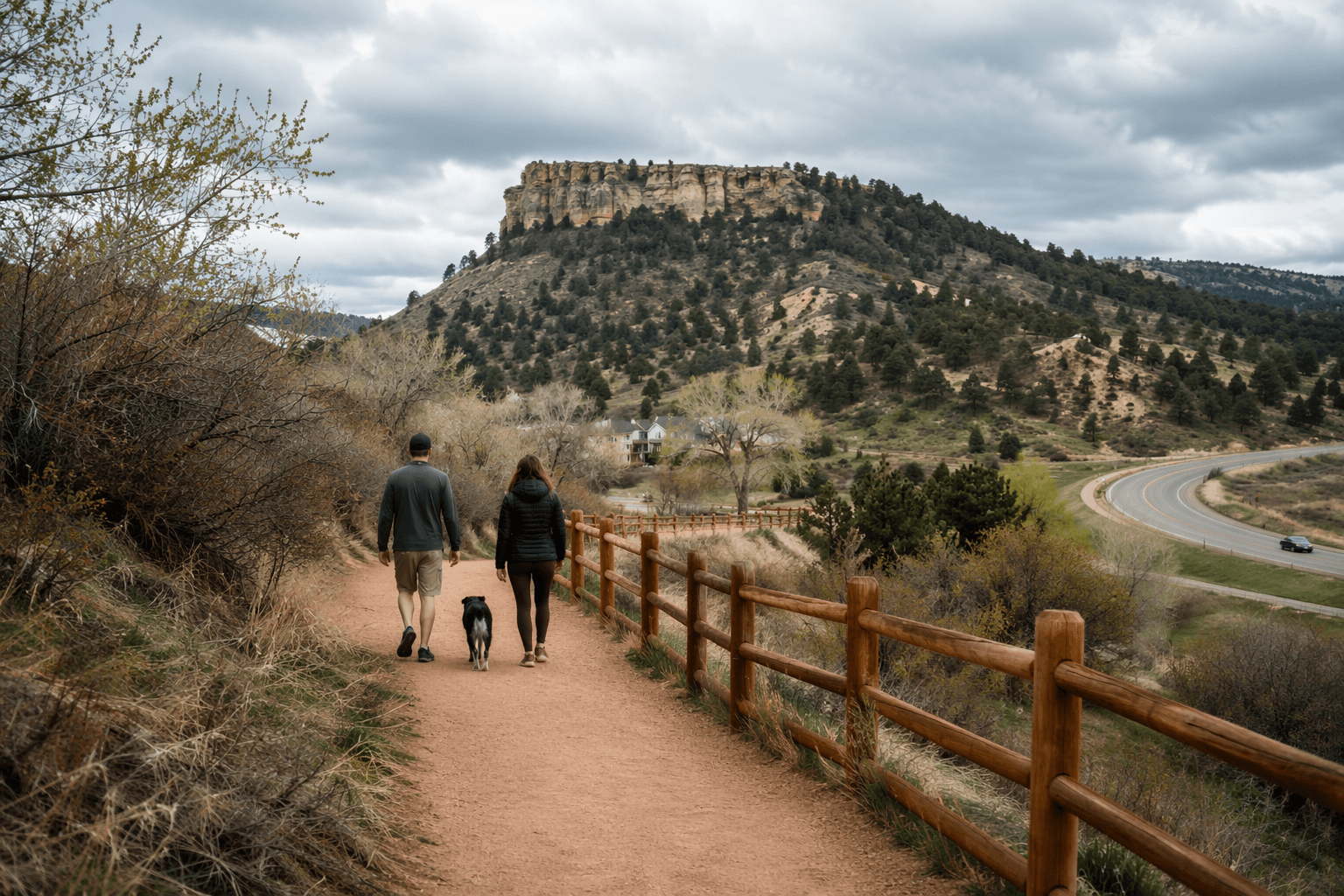
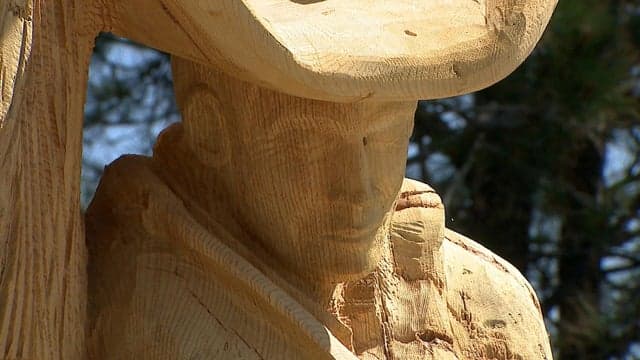
A 200-year-old stump at Hangman's Gulch Trail is becoming a cowboy sculpture in Castle Rock. Billy LaFleur began carving it in April after the dead tree was removed for safety.

A dead 200-year-old tree stump at Hangman's Gulch Trail is being turned into a cowboy sculpture in Castle Rock, a project town leaders say could add more than novelty to the trail corridor between Liggett Road and Interstate 25. Billy LaFleur began carving the stump in April, after the tree was cut down because it had died and posed a safety issue for trail users.
The finished piece is meant to show a cowboy leaning against the tree, lasso in hand, with a somber, tired expression. LaFleur said he wanted the tree itself to remain part of the work, preserving the shape and age of the wood even as it takes on a new public life. The project was made possible by a Castle Rock Arts and Culture Grant.

For Castle Rock, the sculpture is as much about place-making as it is about craftsmanship. Hangman's Gulch Trail links the east and west sides of town, putting the carving in a visible spot where walkers, runners and cyclists can encounter it without making a special trip. That kind of trail-side art can help extend time spent outdoors, add character to a path that residents already use, and create another reason for people to stop near nearby businesses and downtown corridors.
Marne Hansen, executive director of the Castle Rock Parks and Trails Foundation, said the stump offered a chance to create a work that connects people to Castle Rock’s Western heritage. She pointed to the town’s 1874 founding during the cattle-drive era and to the broader 2026 commemorations tied to Colorado and the United States. The sculpture fits into that conversation about how a fast-growing community preserves its history while making public spaces more memorable and marketable.
Douglas County’s Art Encounters program has taken a similar approach on a larger scale, presenting a year-round outdoor sculpture exhibit across Castle Rock, Highlands Ranch, Lone Tree, Parker and Roxborough. The county program says its mission is to promote public interest in art and community pride, and this project brings that idea into a single trail segment where heritage, recreation and visibility intersect.
LaFleur is already known in Castle Rock for another tree carving, Billy the Beaver, which the town says was unveiled in 2020 at Festival Park through a joint effort involving the Castle Rock Artist Cooperative, Downtown Alliance and the Town of Castle Rock. With the new cowboy carving, Castle Rock is again using local art to turn a retired piece of wood into a public landmark with staying power.
This article was produced by Prism’s automated news system from verified source data, official records, and press releases, then run through automated quality and moderation checks before publishing. The system is built and supervised by the people who set the standards it runs under. Read our full AI policy.
Did this article answer your question?