Cedar Hill Cemetery preserves Castle Rock’s earliest pioneers and history
Castle Rock’s only cemetery holds an 1867 marker, pioneer families and a veterans memorial that still shapes how Douglas County remembers its past.

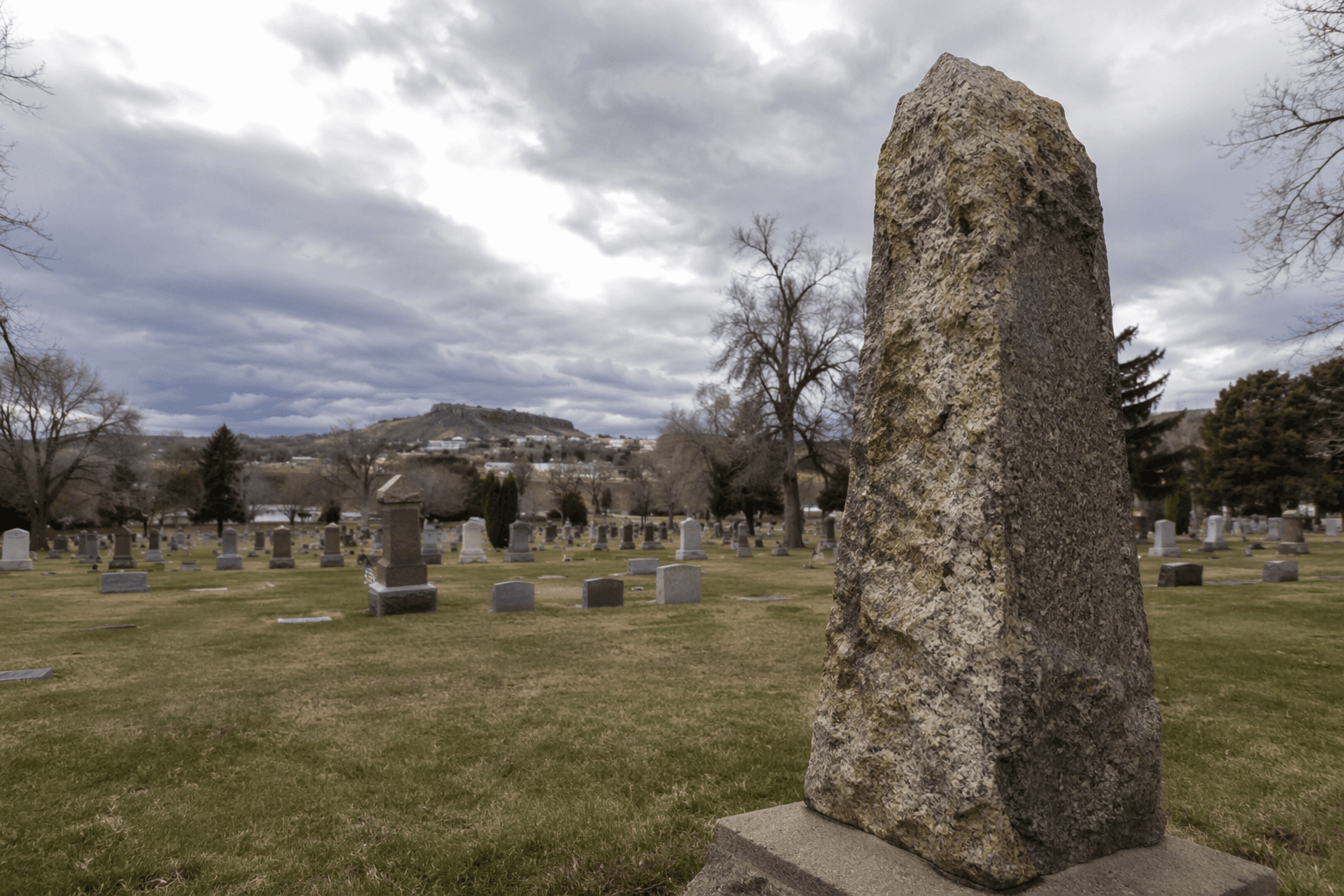
Cedar Hill Cemetery is Castle Rock’s only cemetery, and its oldest stone reaches back to February 1867, years before the town’s modern identity took shape. On 37 acres at 880 E. Wolfensberger Road, the site still holds the names of pioneer families, veterans and early community figures who helped build Douglas County.
A burial ground that explains how Castle Rock began
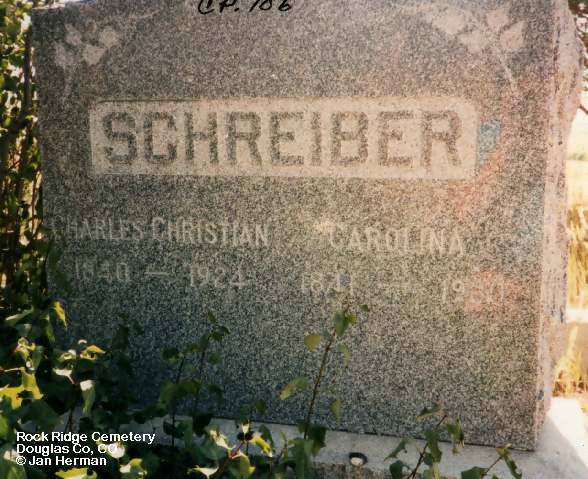
Founded in 1875, Cedar Hill Cemetery was described as one of the first cemeteries on the Colorado Front Range, which is one reason it carries more weight than its size suggests. The cemetery’s own history page says the earliest dated stone belongs to Maria Hammar, the infant daughter of Benjamin and Isabella Hammar, and it identifies John Craig, Benjamin Hammar, Father John Dyer and William Dillon among its significant graves.
Those names matter because they tie the cemetery to the first generations of settlement, faith, building and business in the region. The cemetery’s history materials point visitors to diaries, biographies, structures and entrepreneurial work connected to those figures, turning the grounds into a compact record of the Colorado Territory era rather than a simple collection of headstones.
The scale is still modest enough to read as local, not monumental. A 2015 local article put Cedar Hill at about 3,000 grave sites, while a Find a Grave listing now shows more than 4,100 memorial records, underscoring how the cemetery’s story continues to grow as families, historians and volunteers document the people buried there.
What the historical society does with the site now
Cedar Hill is not just a place to visit quietly. The Castle Rock Historical Society and Museum has used it for walking tours for years, and some of those tours have included re-enactors portraying local historic figures. In some years, attendance was limited by COVID restrictions, a reminder that even a historic site tied to the 1800s still feels the effects of recent public-health disruptions.
The society’s calendar materials say some Cedar Hill tours last about forty minutes and stop at about a dozen grave sites, giving visitors brief stories at each point instead of a long lecture. One calendar entry named retired local history teacher John Berry as a tour leader, and other listings have described annual Cedar Hill Cemetery Walking Tours as free and requiring no reservations.
That format helps explain why the cemetery works so well as public history. Visitors are not only reading family names on stones, they are standing where Castle Rock’s founding families are buried and hearing how those people fit into the town’s first decades. The setting itself becomes the archive.
Veterans, Memorial Day and the cemetery’s living role
Cedar Hill also remains part of Castle Rock’s civic calendar. Visit Castle Rock says Memorial Day services honoring Douglas County veterans have been held at the cemetery, and American Legion Post 1187 has been part of that observance. The site’s veterans page says veterans interred there can have their names engraved on the Veterans Memorial at no charge.
That memorial gives the cemetery a second layer of public meaning. A local report said the black granite Veterans Memorial was built and erected in 1992, and by 2015 it bore the names of 380 Douglas County veterans interred at Cedar Hill, with the list continuing to grow as new names are added. The memorial turns a burial ground into a roster of service, making military history visible to anyone walking the grounds.
The Remembrance Garden, established in 2014, expands that role further. The cemetery says it was created in sections 8 and 9 and in a specially designated children’s section, with a flowing water feature, orchard, flowers, a sheltered contemplation setting and a granite Castle Rock-shaped columbarium. Those details show how the cemetery has adapted to newer forms of remembrance while staying rooted in its pioneer-era landscape.
What to know before you go
Cedar Hill is open for visitation from dawn to dusk every day, and its business hours are 8 a.m. to 4 p.m. Monday through Friday. Burials are allowed Monday through Friday from 9 a.m. to 3 p.m., with Saturday services available before noon for an additional fee.
The cemetery’s rules also reflect Douglas County’s local identity. Lots are generally not sold to non-residents unless family members are already buried there, a policy that keeps the site tied closely to the community it serves. In practice, Cedar Hill is both public history and protected local ground, a place where land use, remembrance and family continuity meet.
In 2005, the Douglas County Historic Preservation Board designated Cedar Hill Cemetery an Historic Landmark, formalizing what Castle Rock residents already see on the ground. The site remains a rare kind of record: a working cemetery that still explains who built the town, who served it and who Castle Rock continues to remember.
This article was produced by Prism’s automated news system from verified source data, official records, and press releases, then run through automated quality and moderation checks before publishing. The system is built and supervised by the people who set the standards it runs under. Read our full AI policy.
Did this article answer your question?