Cherokee Ranch & Castle showcases Douglas County history and western heritage
Cherokee Ranch & Castle is more than a castle: it is a preserved Sedalia landscape, a public programming site, and a Douglas County land-conservation story.
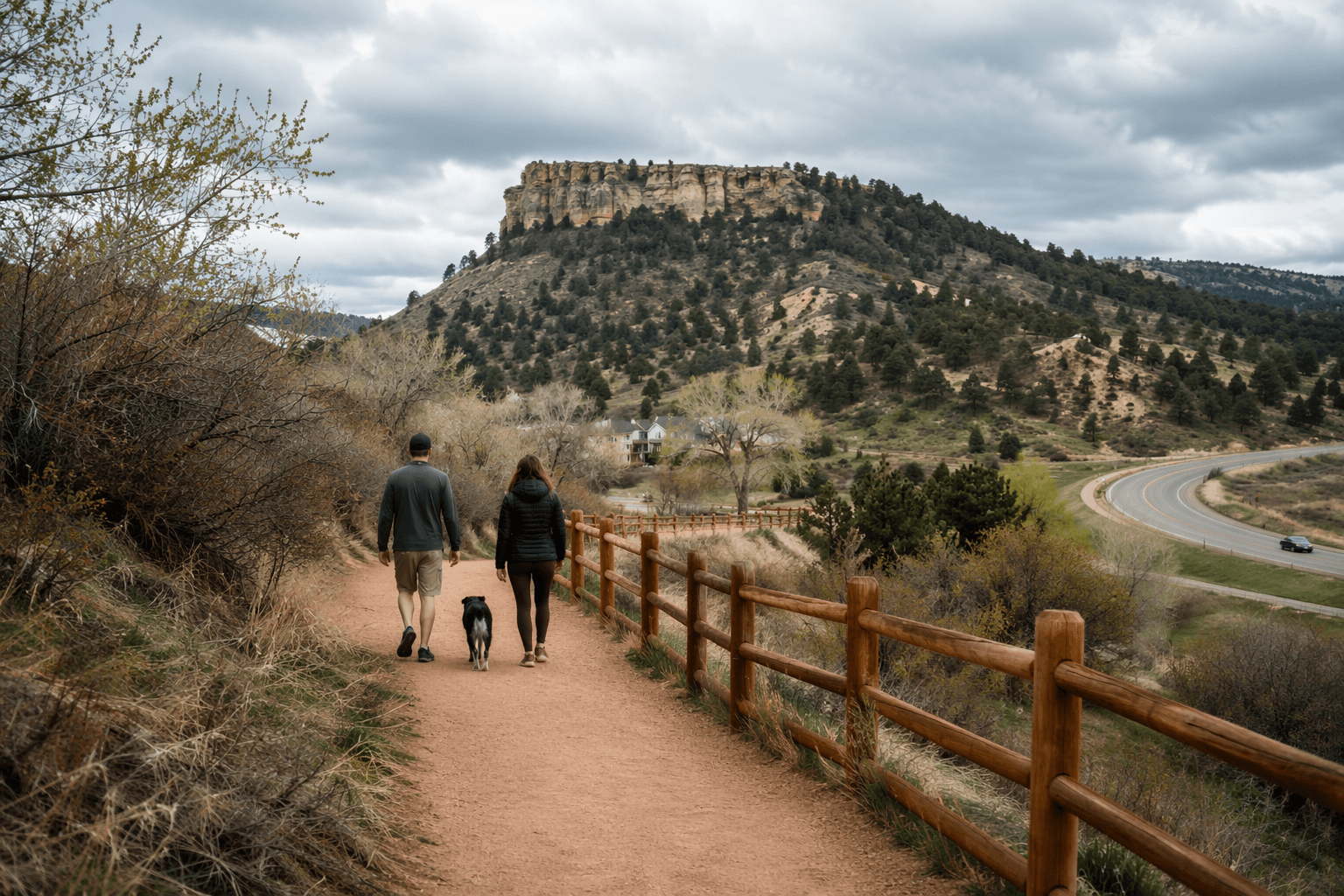
Cherokee Ranch & Castle sits at the center of one of Douglas County’s most layered public landscapes. On a ridge above Sedalia, the site combines a 1920s Scottish-style castle, preserved ranchland, wildlife habitat, and a long local history that reaches back to homesteading on East Plum Creek. For county residents, the value is not just scenic. It is a protected open-space property that still teaches, hosts visitors, and anchors a broader story about how Douglas County chose to preserve land.
From homestead to landmark
The oldest chapter begins with John Blunt, who homesteaded land near Sedalia on East Plum Creek in 1868 after his Civil War service. The family later built a new home in 1873 and named the place Sunflower Ranch, where they raised cattle and grew wheat and sorghum. By 1924, Denver businessman Charles Alfred Johnson had acquired the property, setting up the next era in the ranch’s evolution.
That shift from working ranch to preserved landmark is one of the clearest ways Cherokee Ranch & Castle reflects Douglas County’s broader history. Cherokee Ranch & Castle’s own history notes that Frederick Flower’s homestead claim eventually grew to 2,380 acres before the 1924 sale to Johnson. The property’s layers show the county’s movement from settlement and livestock production toward conservation, stewardship, and public-facing cultural use.
The castle itself is part of the landscape story
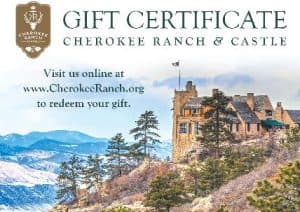
The castle, built in 1924, is not a novelty tacked onto the land. History Colorado identifies it as a 20th-century replica of a 15th-century Scottish castle, designed by architect Burnham Hoyt and constructed by Cornish stonemasons from stone quarried on site. That detail matters because the building was shaped from the ranch’s own material rather than imported as a decorative object.
The registered historic property goes well beyond the castle walls. History Colorado says it includes four 19th- and 20th-century building groups, historic roadways, spectacular landforms and views, pastures and corrals, a wildlife preserve, and an important prehistoric archaeological site. The National Register of Historic Places listed Cherokee Ranch & Castle on Oct. 21, 1994, placing the property within a protected historical framework before much of its public programming matured.

What Douglas County preserved
The most important public decision around Cherokee Ranch came in 1996, when Douglas County began a ten-year phased purchase of a conservation easement on the ranch for $2 million. The stated goal was to protect wildlife habitat, agricultural heritage, and historic attributes. That easement matters because it made preservation a county priority, not just a private preference, and it locked in protections that still shape the site today.
The foundation holds the deed to the ranch, while the conservation easement gives Douglas County a lasting stake in how the land is managed. In 2010, the Cherokee Ranch & Castle Foundation added another 300 acres adjacent to the ranch, bringing the property to 3,441 acres. For residents, that means the site is not simply a preserved building. It is a working conservation landscape with large-scale open space, long views toward Pikes Peak and Longs Peak, and limits on what can happen there in the future.
What visitors get now
Cherokee Ranch & Castle serves the county as a cultural site as much as a preserved one. The foundation says the property has functioned as a community cultural resource since 1996, and the public-facing program list shows how broad that role has become. Guided castle tours last 90 minutes and are designed to give visitors an intimate look at the architecture, art, and history inside the castle.
The site also uses tours and events to widen access to the property’s history and landscape. Current programming includes wine, whisky, and tequila tastings, theatricals, concerts, musicals, hikes, and tours. That mix gives the ranch a dual identity: part museum-like historic site, part active venue for cultural programming, all within a conservation setting that remains tied to Douglas County’s land-preservation choices.
For local readers, the practical question is not whether the castle is picturesque. It is what the county gets in return for protecting it. The answer is open space, educational access, scenic views, and a destination that brings visitors into Sedalia without turning the ranch into ordinary development.

Science, education, and the land itself
The Cherokee Ranch Science Institute adds another layer to that public value. Founded in 2013 by the late Al Koch, the institute supports the foundation’s mission by educating the public and conducting scientific research on the ranch. Its work focuses on geology, archaeology, and paleontology, and over the last decade it has accumulated research data from the 3,441-acre property.
That scientific mission reinforces why Cherokee Ranch & Castle is more than a tour stop. The land itself is part of the attraction and the classroom. Wildlife habitat, archaeological resources, and geological history are all present on the same property that hosts tours and performances, which gives Douglas County a rare combination of preserved terrain and public education.
A Douglas County story that still pays off
Cherokee Ranch & Castle fits squarely into Douglas County’s land-preservation story because it shows how open space, history, and tourism can overlap without losing the character of the land. The county’s easement purchase, the foundation’s stewardship, and the science institute’s research have kept the ranch relevant well beyond its castle walls.
What county residents have now is a protected ridge above Sedalia, a historic property on the National Register, and a place where western heritage is interpreted through architecture, ranching history, and educational programming. In Douglas County, that makes Cherokee Ranch & Castle less a curiosity than a durable public asset.
This article was produced by Prism’s automated news system from verified source data, official records, and press releases, then run through automated quality and moderation checks before publishing. The system is built and supervised by the people who set the standards it runs under. Read our full AI policy.
Did this article answer your question?