Douglas County drivers urged to beat Fourth of July traffic rush
Douglas County drivers can still dodge the worst holiday gridlock, but the safest windows are before noon Thursday and before 11 a.m. Friday and Sunday.
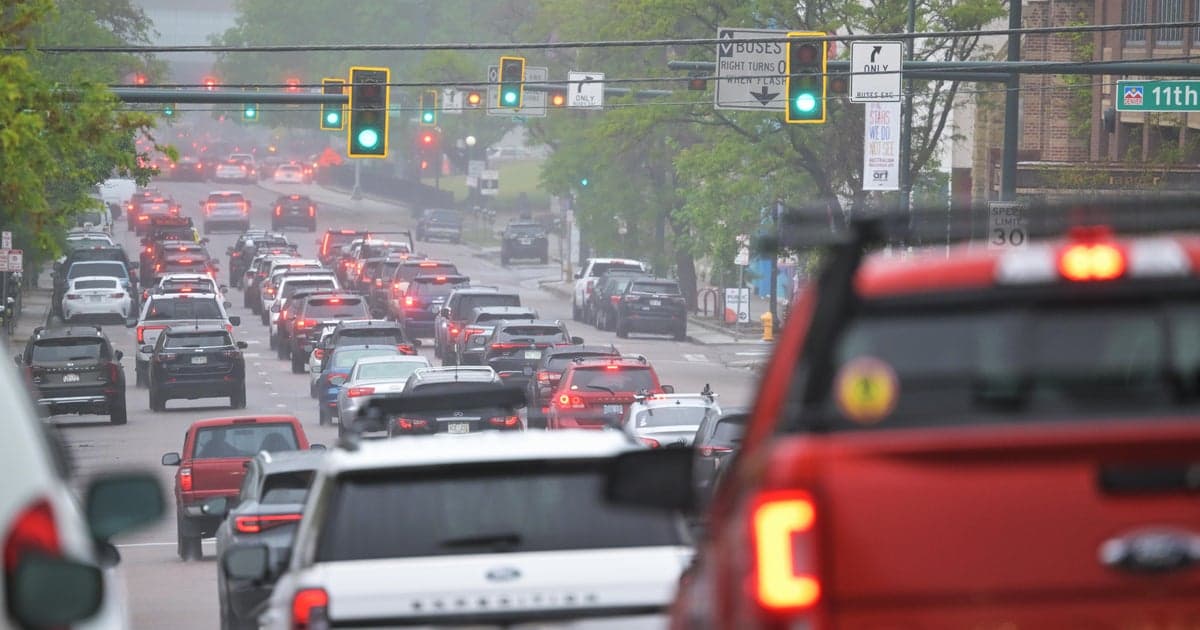
Douglas County drivers heading out for Fourth of July plans have only a narrow window before the roads clog. The safest move is simple: leave before noon on Thursday, before 11 a.m. on Friday, after 3 p.m. on July 4, or before 11 a.m. if you are coming home Sunday. Those timing calls come from AAA and INRIX, and they are built around the same holiday traffic patterns that regularly jam the Front Range and Denver metro corridors used by Douglas County residents.
The departure windows that matter
The cleanest way to avoid the worst backups is to match your departure to the day, not just the destination. If you are leaving Thursday, the cutoff is before noon. If your trip starts Friday, aim to be on the road before 11 a.m. If you are traveling on Independence Day itself, wait until after 3 p.m. to move, when the heavier midday wave begins to fade.
- Thursday: leave before noon.
- Friday: leave before 11 a.m.
- Saturday, July 4: travel after 3 p.m. if you can.
- Sunday return trips: leave before 11 a.m.
That schedule matters because the slowest hours are not spread evenly across the holiday. The worst congestion is expected from 3 p.m. to 6 p.m. on the busiest days, which means a late lunch departure can quickly turn into a crawl. For Douglas County drivers trying to reach mountain getaways, metro fireworks, or a family barbecue across the region, those are the hours most likely to turn a manageable trip into a long one.
Where the holiday pileup hits hardest
The pressure is not just local, and that is part of the problem. Douglas County sits in the path of the Front Range travel network, where suburban traffic, interstate holiday traffic, and metro-area trips all collide at once. That makes the county’s usual commuting corridors especially vulnerable when a major holiday arrives and everyone leaves close to the same time.
AAA projects 72.2 million Americans will travel at least 50 miles from home for Independence Day during the holiday window running from Saturday, June 27 through Sunday, July 5. That scale makes the period the busiest July Fourth travel week since at least 2019, and it helps explain why the usual afternoon choke points get worse so fast. July 2, July 3 and July 5 are expected to be the busiest travel days, with the 3 p.m. to 6 p.m. window carrying the heaviest load.
July 4 is different, but not by much. Traffic is expected to be lighter overall that day, yet it still has a sharp spike between 10 a.m. and 2 p.m. before easing after 3 p.m. That leaves a small practical opening for drivers who want to avoid the heaviest traffic on the holiday itself, but it also means the middle of the day remains a bad bet for anyone trying to cross the county or head into the Denver metro.
If you missed the early cutoff
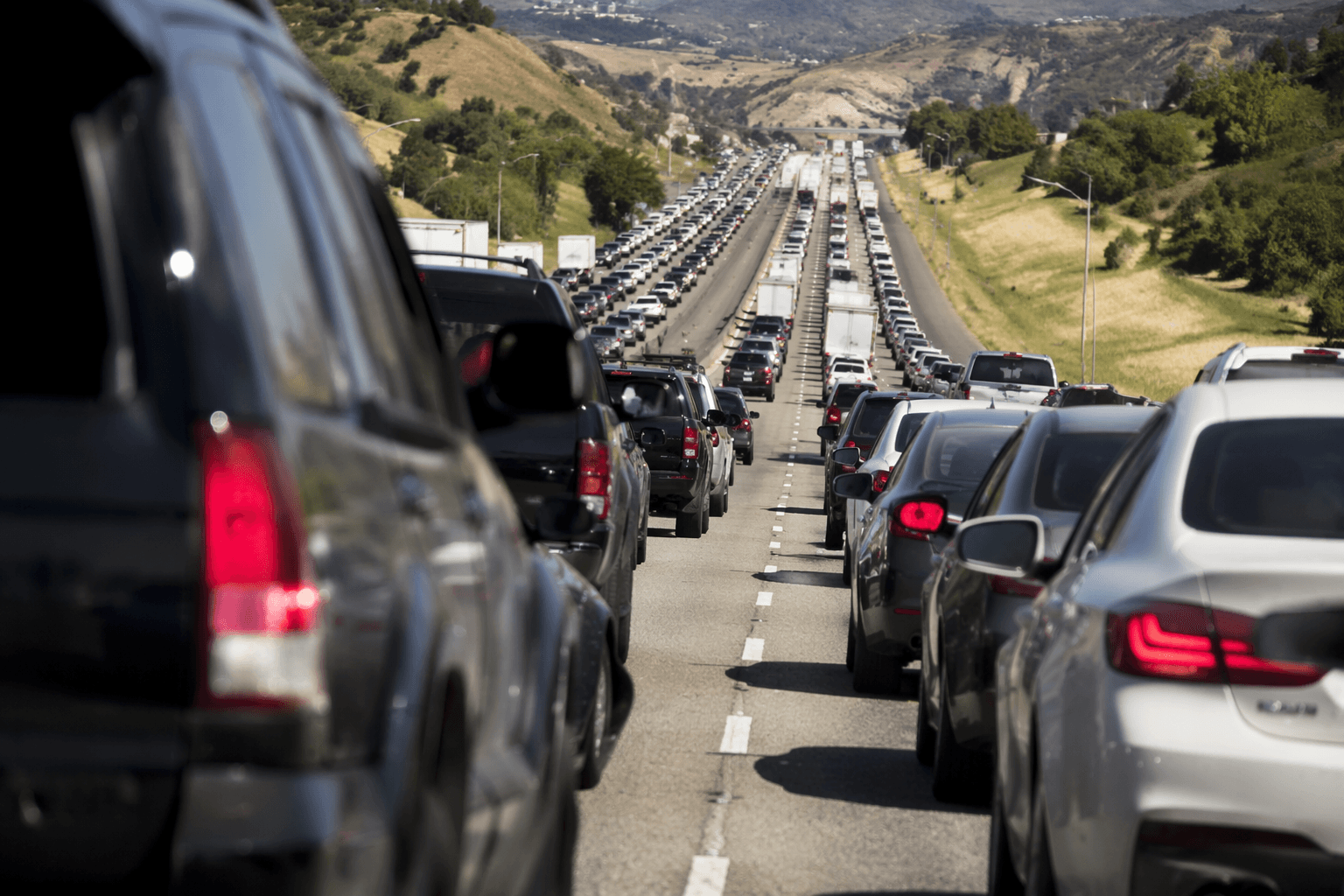
Missing the ideal departure time does not mean you are stuck with the worst traffic. The main adjustment is to stop thinking in terms of a whole day and start thinking in terms of a few hours. If Thursday morning is gone, the next best move is to hold off until after 3 p.m. on July 4 rather than joining the midday push, when traffic is still building toward the afternoon peak.
That advice is especially useful for Douglas County families trying to thread together more than one obligation. A fireworks outing, a mountain drive, and a Sunday return can all be easier if they are spaced away from the 3 p.m. to 6 p.m. window. The return trip is the one most people underestimate, and the guidance for Sunday is clear: get moving before 11 a.m. if you want a better shot at a cleaner run home.
For short local trips, the same rule applies. Errands to the store, a drive to a neighbor’s cookout, or a quick run across the county can still be caught in the holiday tide if they fall into the late morning or afternoon congestion window. Waiting for an earlier or later lane in the day is the simplest way to avoid sitting in the same line of vehicles as everyone else trying to squeeze in one more stop.
Why Douglas County keeps watching road volume
Douglas County’s own traffic-count and turning-movement data tools show that road volume is a continuing local concern, not just a holiday inconvenience. Those tools reflect a county that tracks how traffic moves through its road network, which is why holiday timing advice lands with such practical force here. When a major travel wave hits the Front Range, the difference between leaving at the right hour and leaving into the rush can be measured in minutes, or in a much longer crawl.
For Douglas County drivers, the message is straightforward: earlier is better, especially before the midday rush starts. The holiday traffic wave is already large, the busiest hours are already known, and the easiest way to beat the bottlenecks is still to move before the county’s roads fill up.
This article was produced by Prism’s automated news system from verified source data, official records, and press releases, then run through automated quality and moderation checks before publishing. The system is built and supervised by the people who set the standards it runs under. Read our full AI policy.
Did this article answer your question?