Douglas County drone finds lost hikers, drops food and water
A drone found two lost hikers near Bear Mountain, confirmed they were uninjured and dropped food and water before ground crews reached them. It was Douglas County Search and Rescue’s third supply drop by drone.

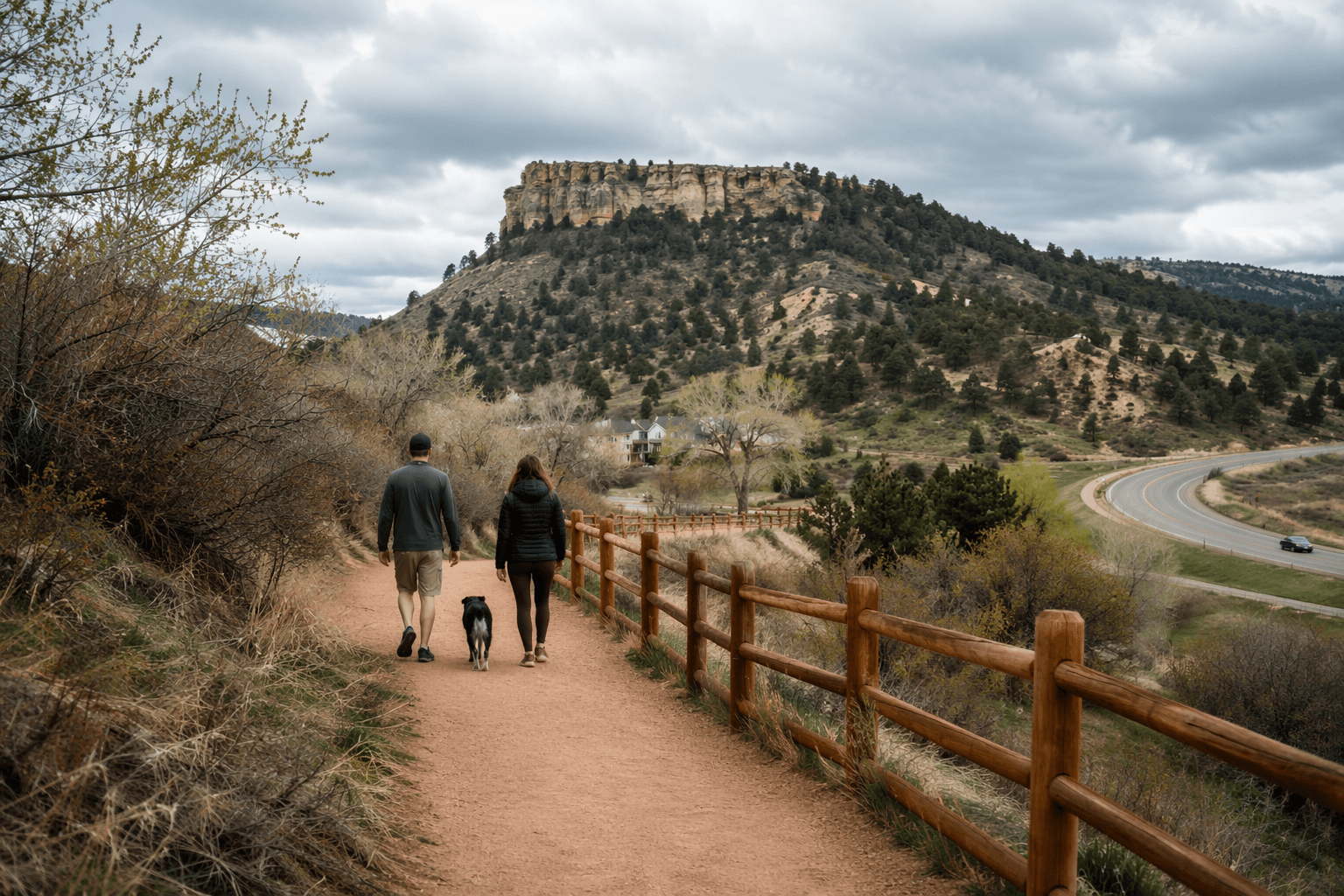
A drone found two lost hikers near Bear Mountain on Thursday night, talked to them through a speaker and dropped food and water before rescuers on foot could cut through the rugged terrain. Douglas County Search and Rescue said the pair were running low on water and cellphone battery life, making the aerial response a crucial head start.
The team said the drone located the hikers, established communication, confirmed they were uninjured and relayed their exact location back to rescuers. While ground crews worked through the rough country, the drone returned with a payload system and parachute to drop supplies near the hikers, helping bridge the gap until teams could reach them in person.

Douglas County Search and Rescue said it deployed ground, ATV and drone teams, while the Douglas County Government Office of Emergency Management also sent a Helitack helicopter to assist. Officials said the hikers helped themselves by staying in place, calling for help and providing coordinates once they realized they were lost, which gave rescuers a cleaner target in a wide, difficult search area.
Darren Keralla, Douglas County Search and Rescue’s unmanned aircraft systems lead, said the same terrain that draws hikers, hunters and off-road users can also slow rescue crews when something goes wrong. That balance is part of the county’s growing reliance on drones in the Front Range backcountry, where minutes matter and distances are measured in steep, rugged miles.
The Bear Mountain mission was the third time Douglas County Search and Rescue used a drone to make a supply drop during a rescue. The first, in 2024, was improvised with a plastic bag. By 2026, the team said it had shifted to a dedicated drop system and parachute and had spent time testing weights and refining techniques to make the drops more precise and reliable.
The episode follows other recent rescues in Douglas County that used the same technology. In December 2024, a drone helped find a 10-year-old boy lost on an ATV in the Rampart Range area, used its speaker to check that he was okay and later dropped a blanket, knit hat, water and food. In March 2025, drones also helped locate two teens lost at Roxborough State Park, underscoring how quickly the tool has moved from novelty to a regular part of county search-and-rescue operations.
Douglas County Search and Rescue, a nonprofit with 60 volunteer members, provides its services free to the public. Near Bear Mountain, the latest mission showed how that volunteer force, paired with aircraft and coordinated emergency crews, can buy time for people in distress before exhaustion, weather or darkness turns a bad hike into a life-threatening one.
This article was produced by Prism’s automated news system from verified source data, official records, and press releases, then run through automated quality and moderation checks before publishing. The system is built and supervised by the people who set the standards it runs under. Read our full AI policy.
Did this article answer your question?