Douglas County expands connections for residents with developmental disabilities
Douglas County has opened 2026 disability grant applications after sending more than $5 million to local providers since 2001, but housing and adult-transition gaps remain.

Douglas County has opened applications for its 2026 Developmental Disability Mill Levy Grant Program as it continues a funding stream the county says has sent more than $5 million to dozens of local organizations since 2001. The county has also posted a separate grant opportunity aimed at expanding housing services for people with intellectual and developmental disabilities.
The push lands in a county that is both growing fast and already affluent. Douglas County’s 2025 population estimate is about 399,400, making it the sixth-most populous county in Colorado, and its median household income from 2020 to 2024 was about $149,600, 56.7% higher than the Colorado average. That combination can make local services look stronger on paper than they feel for families trying to navigate disability supports, transportation and housing on the ground.
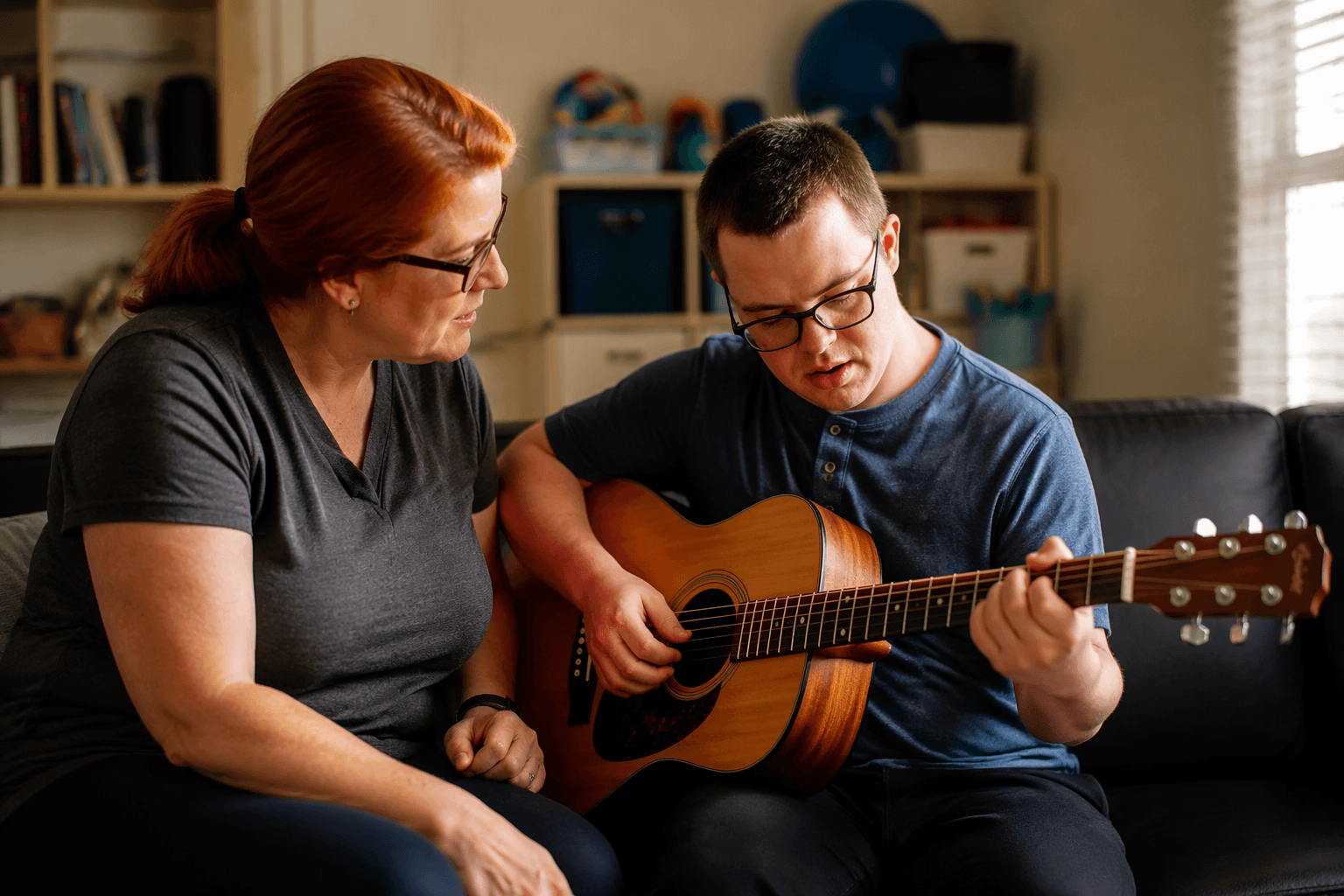
Douglas County says its Developmental Disabilities Mill Levy has supported residents with disabilities for more than 20 years. County materials tie that money to independent living, and to efforts meant to help residents move closer to living on their own. The county’s recent emphasis on connections, housing and community partnerships suggests officials see the challenge not as a single program gap but as a network problem: people need a clearer path from need to service.
That path still runs through a patchwork of county, state and nonprofit providers. The Colorado Division of Vocational Rehabilitation says independent living services can include information and referral, advocacy, independent living skills training, peer counseling and transition services. Developmental Pathways, which says it has supported individuals with disabilities since 1964, coordinates care and works with community organizations. In Arapahoe and Douglas counties, that network also includes the Developmental Disabilities Resource Center, The Arc of Arapahoe & Douglas Counties, the Arapahoe/Douglas Mental Health Network and Centers for Independent Living.
The pressure point is especially sharp for adults leaving school-based services and trying to enter adult programs, where options are often harder to find and easier to miss. Douglas County’s own disability-related posts have repeatedly framed the issue around independent living and property purchases to serve neighbors with disabilities, showing a long-running county strategy rather than a one-off announcement. The real measure now is whether the 2026 grant round, and the housing money tied to it, translate into more openings, better coordination and fewer residents left to stitch together support on their own.
This article was produced by Prism’s automated news system from verified source data, official records, and press releases, then run through automated quality and moderation checks before publishing. The system is built and supervised by the people who set the standards it runs under. Read our full AI policy.
Did this article answer your question?