Douglas County highlights services to help older adults age independently
Douglas County is pointing older adults and caregivers to transportation, senior centers and in-home help as it expands services with a $1.5 million investment.
Where to start right now
Getting to an appointment, finding a meal, or arranging help at home can be the difference between staying independent and sliding into crisis. Douglas County is steering older adults and caregivers toward a short list of practical supports: transportation help through Aging Resources of Douglas County, the Castle Rock Senior Activity Center, and Link On Demand, plus referrals for in-home assistance, food help, mental health, and social services.
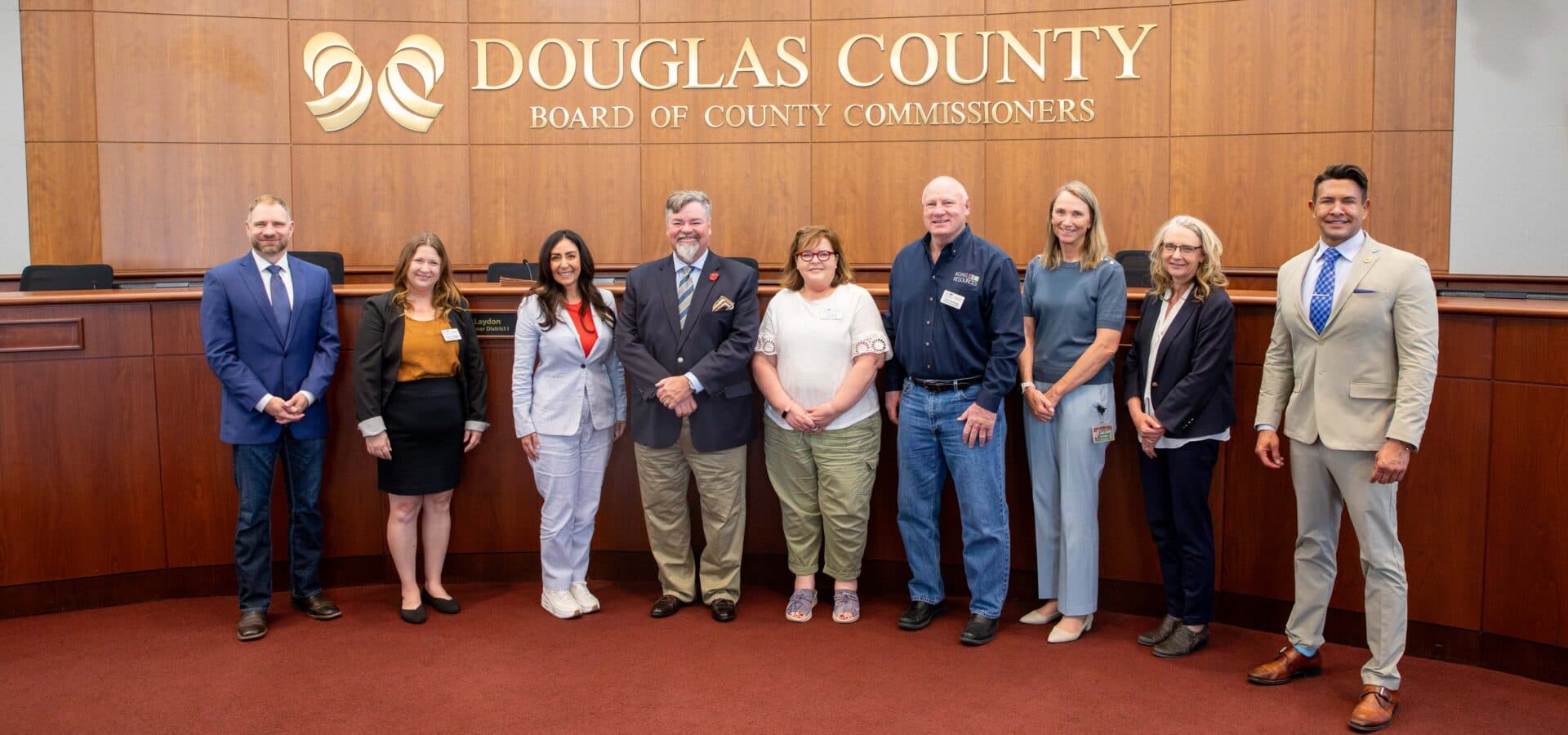
That guidance matters because the county is not treating aging as a ceremonial observance. It is treating it as a daily systems problem. The county formally recognized Older Americans Month at its May 26, 2026 Business Meeting, and the message behind this year’s theme, “Champion Your Health,” is prevention, wellness, and personal responsibility. In plain terms, that means using local services before a need becomes a setback.
Transportation is the first line of independence
For many older adults, the hardest part of aging at home is not the doctor’s visit itself. It is getting there reliably, safely, and without overburdening family. Douglas County is centering transportation because it is one of the most immediate barriers to independence, and because the county says its grant funding for older-adult services primarily supports transportation, chore, homemaker, and personal care services.
Aging Resources of Douglas County is one of the clearest access points. The nonprofit describes itself as a community aging center that connects people to services, information, and resources that promote aging well and independence, and its transportation program provides door-through-door service for people over age 60. The county also points residents to Link On Demand and the Castle Rock Senior Activity Center, giving older adults and caregivers more than one route to get where they need to go.
That focus on transportation is not abstract. In a county where many neighborhoods are car-dependent, getting to a primary care office, physical therapy, a grocery store, or a community program can determine whether someone stays active or becomes isolated. For families balancing work and caregiving, a dependable ride is often the difference between one manageable week and a missed appointment that starts a chain reaction.
The county’s older-adult network is built around real needs
Douglas County says its Older Adult Initiative was launched in response to the county’s growing population of residents age 60 and older. The initiative is organized around four priority areas: transportation, housing, in-home services, and access to resources and information. That is a practical roadmap, not a slogan, and it reflects what residents have been saying in surveys and listening sessions for several years.
The county’s own materials show how that network has expanded. In 2025, the Board of Douglas County Commissioners announced a $1.5 million investment in new and expanded services for residents 60 and older. The county says that funding was shaped by input from dozens of public meetings and direct feedback to commissioners. The message from county leaders is clear: older adults need more than good intentions. They need a system that helps them stay housed, supported, and connected.
Residents looking for a starting point can use the county’s older-adult services pages to find the Seniors’ Council of Douglas County, the Castle Rock Senior Activity Center, the Parker Senior Center, and the Highlands Ranch Metro District’s Active Adult Programs & Services. The county says the Seniors’ Council has accepted an invitation to join Aging Resources of Douglas County, a sign that the local support network is becoming more coordinated rather than more fragmented.
What caregivers can use beyond rides
Caregivers often end up searching for help only after a crisis hits. Douglas County’s current approach is built to make that less likely. Alongside transportation, county grants are aimed at chore help, homemaker services, and personal care services, which can relieve pressure on families trying to keep someone safe at home. That matters for residents managing mobility limits, chronic illness, or the early stages of memory loss, when small tasks can quickly become unmanageable.
The county also says residents can reach information and referrals for in-home assistance, food assistance, mental health, and social services. That matters because aging well is rarely just a medical question. A person who cannot get groceries, keep up with housekeeping, or access social support may start missing medications, skipping appointments, or becoming socially isolated long before a major health event forces the issue.
Douglas County’s message is that these supports are not just for emergencies. They are for preventing the emergency in the first place. That is especially important for caregivers, who often need help navigating a patchwork of services before they can build a sustainable routine.
Why the county is pushing this now
The demographic pressure is real. The U.S. Census Bureau estimates Douglas County’s population at 399,396 as of July 1, 2025, and Census Bureau QuickFacts says 14.9% of residents are 65 or older. That is a substantial older population for a county that continues to grow, and it helps explain why county leaders are framing aging as a planning issue instead of a side program.
The county has been laying groundwork for years. A 2023 county listening-tour announcement said the Board of County Commissioners wanted resident input on how people could live in Douglas County well into retirement. Commissioner George Teal said at the time, “Your feedback is vital...” The county also cited a Colorado Area Agencies on Aging survey showing that 90% of Douglas County residents plan to stay in the county for retirement.
That combination of aging population data and strong local attachment has shaped the county’s strategy. The older-adult effort is not about encouraging people to leave or downsize their expectations. It is about making it possible to remain in Castle Rock, Parker, Highlands Ranch, Lone Tree, or Castle Pines with the right mix of transportation, housing, and support.
The bottom line for Douglas County households
Douglas County’s Older Americans Month message is less about celebration than access. The county is pointing residents toward specific help they can use now, from ride options and senior centers to in-home services and referral networks. It is also signaling that the county’s long-term answer to aging is coordination: more service, more connection, and more practical support around the places where independence usually breaks down first.
For older adults who want to stay put, and for caregivers trying to keep that plan realistic, the county’s growing network offers a concrete next step instead of a vague promise.
This article was produced by Prism’s automated news system from verified source data, official records, and press releases, then run through automated quality and moderation checks before publishing. The system is built and supervised by the people who set the standards it runs under. Read our full AI policy.
Did this article answer your question?