Douglas County marks archaeology month with Franktown excavation tours
Franktown residents will get a rare look at an active dig June 2-4, where archaeologists are racing erosion at a State Historical Fund site.

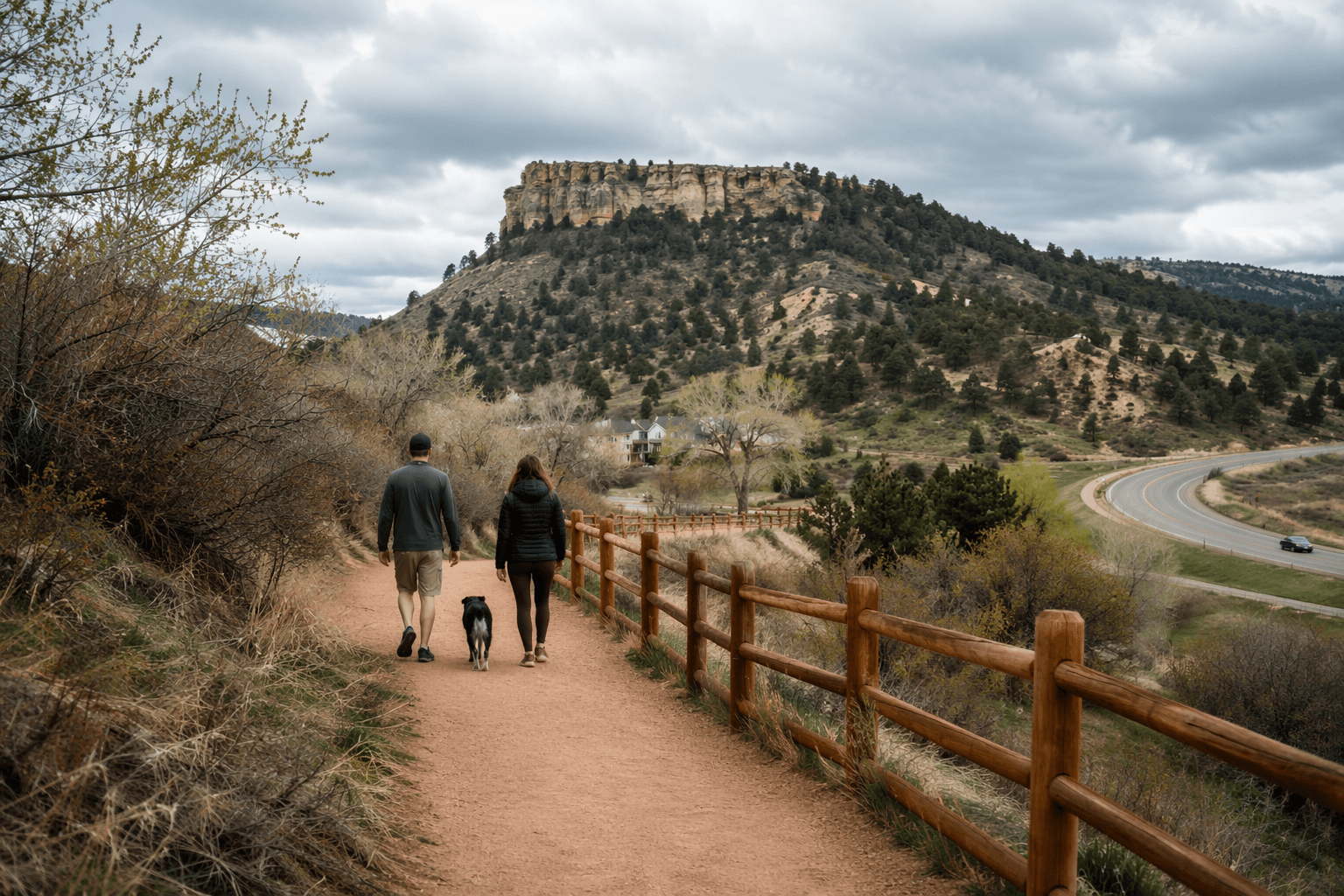
Douglas County is opening a rare window into its past in Franktown, where limited public tours will let residents see an active archaeological excavation that is being studied and stabilized before erosion does more damage.
The tours are set for Tuesday, June 2, through Thursday, June 4, with start times at 10 a.m. and 2 p.m. each day. Each visit is expected to last about an hour, and attendance is capped at 15 people per tour. The county said all ages are welcome, but the exact meeting location will be shared only with registered participants for security and preservation reasons.
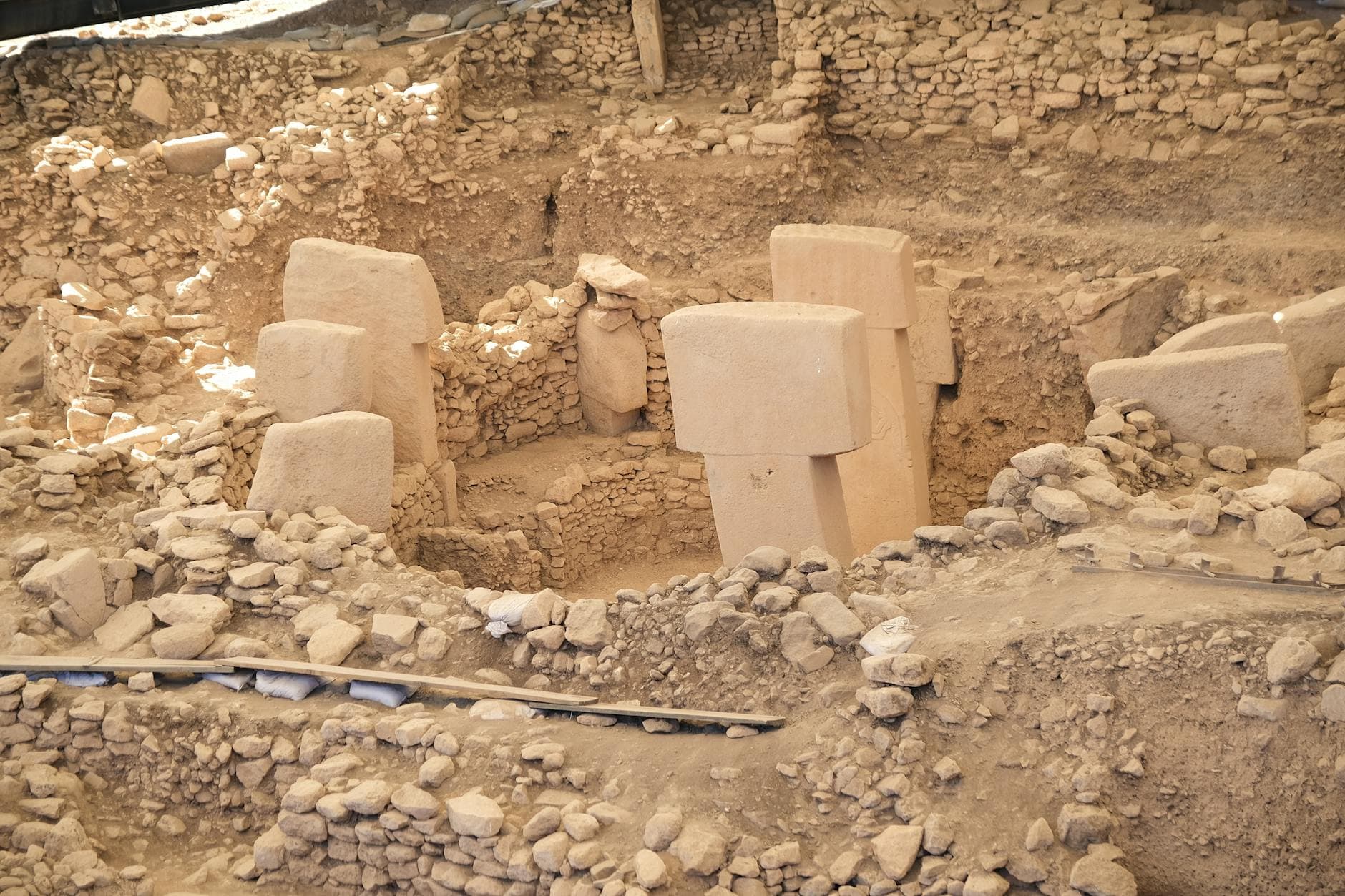
The excavation is part of a State Historical Fund grant project, and the county said the site is threatened by erosion. Douglas County also said the current work will use modern technology to better understand the site’s stratigraphy, stabilize what remains and strengthen public education around responsible stewardship. A portion of the site was first excavated by the Colorado Department of Transportation in the 1970s, giving the project a longer history than many residents may realize.
The tours arrive as Douglas County marked May 2026 as Archaeology and Historic Preservation Month, tying the observance to the 250th anniversary of the United States and Colorado’s 150th anniversary of statehood. County leaders described those milestones as a “once-in-a-generation opportunity” to reflect on the stories, places and people that shaped local communities. In a fast-growing county, the message carries more weight than ceremony: what is documented now can still be studied later, and what is left exposed to erosion or construction pressure can be lost for good.
Douglas County’s historic-preservation materials point to several other places that still hold visible traces of earlier eras, including Franktown, Blackfoot Cave, Bayou Gulch, Castle Rock, Ridgegate and Rueter Hess-Oeskeso. The county has also highlighted historic properties such as the William Converse Homestead at Hidden Mesa Open Space, Greenland Townsite and Sandstone Ranch in its broader 2026 public-history programming.
The preservation work is backed by a statewide system. History Colorado says the State Historical Fund is supported by a portion of gaming tax revenue and exists to help complete preservation projects that benefit Colorado’s communities, cultures, economies and environment. The fund offers six noncompetitive grant types, including Archaeological Assessment and Historic Structure Assessment grants, the kind of financing that can determine whether fragile sites are documented, stabilized and interpreted before they disappear.
This article was produced by Prism’s automated news system from verified source data, official records, and press releases, then run through automated quality and moderation checks before publishing. The system is built and supervised by the people who set the standards it runs under. Read our full AI policy.
Did this article answer your question?