Douglas County offers free Saturday tours of Ice Age preserve
Free Saturday tours at Lamb Spring start May 16, giving Douglas County families a rare look at Ice Age bones, ancient geology and some of North America's earliest human evidence.
A free window into Douglas County’s Ice Age past
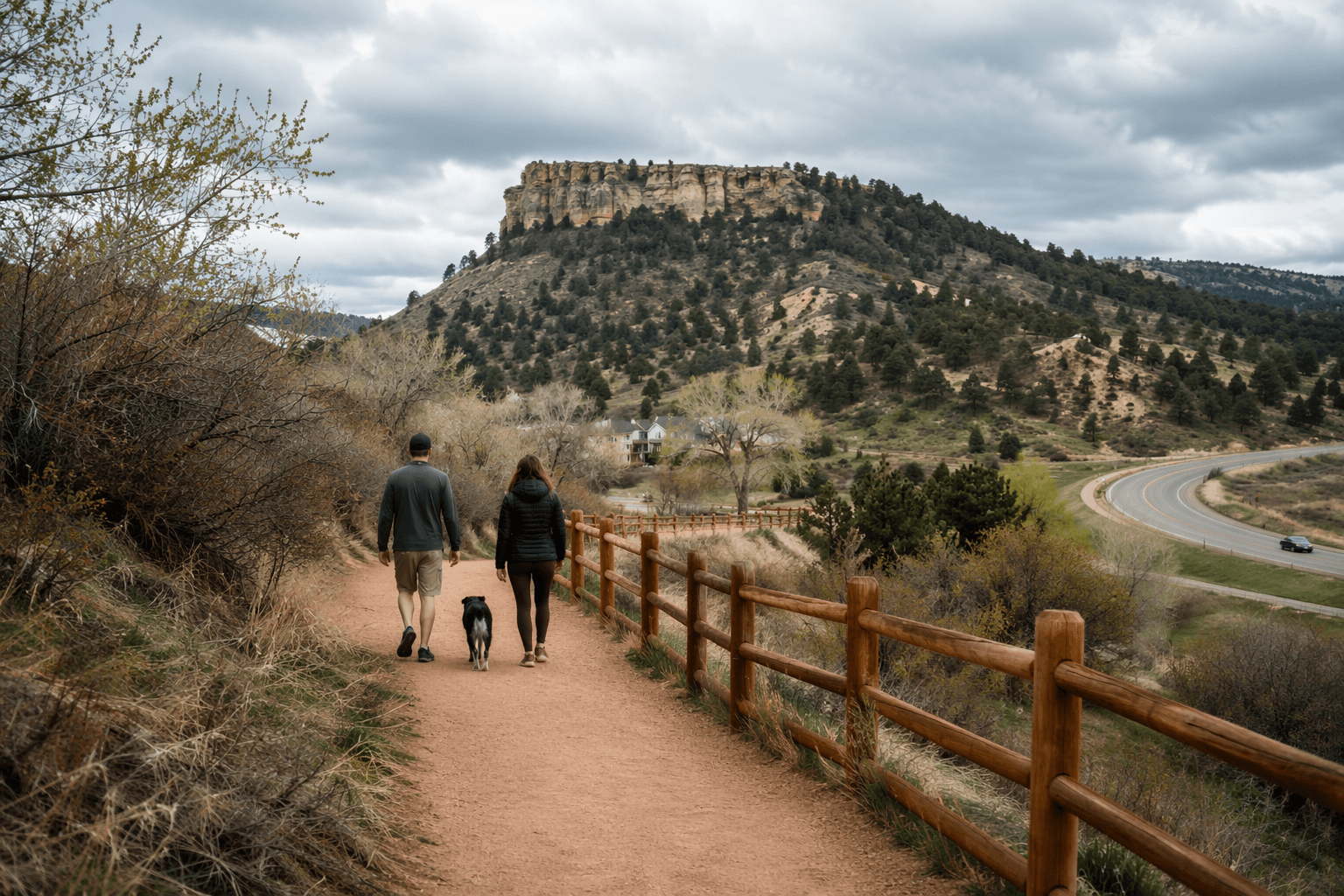
Douglas County is opening one of its most unusual outdoor experiences this spring: free Saturday tours at Lamb Spring Archaeological Preserve, a place where the county’s deep history is still visible in the ground near Castle Rock. The 2026 tour season begins with the first available date on Saturday, May 16 at 9 a.m., and continues one Saturday each month through October.
This is not a standard park stop. Lamb Spring is a prehistoric resting site tied to the last Ice Age, with guided tours that highlight mammoth, horse, camel, bison and sloth remains. For a county that has changed quickly as growth has moved through the corridor around Castle Rock and the surrounding open spaces, the preserve offers something increasingly rare: a direct physical link to the region before modern development.
When to go and what the schedule looks like
Douglas County’s 2026 tour page lists six free public tour dates: May 16, June 6, July 4, August 1, September 5 and October 10. Every tour starts at 9 a.m., and the preserve’s tour page says visits generally conclude by noon. A welcome packet is sent about one week before the tour date, giving registered visitors time to prepare before arriving on site.
That schedule matters because access is simple and low-cost. Free public tours make the site workable for school-age children, grandparents and multigenerational outings, especially for families looking for an educational weekend plan that does not require a major drive or expense. The county’s current article also points readers to May 16 as the first opportunity to get onto the site in 2026.
Why Lamb Spring stands out
Lamb Spring is valuable not just because it is old, but because it preserves evidence of both animals and people that lived here long before the modern county took shape. History Colorado says the site contains evidence of hunting and game processing that may pre-date 9,500 BC. The Colorado Encyclopedia places the first excavations in 1961-62, when Smithsonian archaeologist Waldo Wedel and field assistant George Metcalf, with National Science Foundation funding, opened the site to systematic study.
Those early digs revealed eight geological levels, a reminder that the preserve is not a single layer of history but a stacked record of changing environments over time. The Colorado Encyclopedia also says the site contains evidence of Paleo-Indian activity during the Clovis period, roughly 11,050 to 10,750 BCE, or possibly earlier. For Douglas County, that makes Lamb Spring part archaeology, part geology and part lesson in how human settlement followed shifting landscapes on the Colorado Plains.
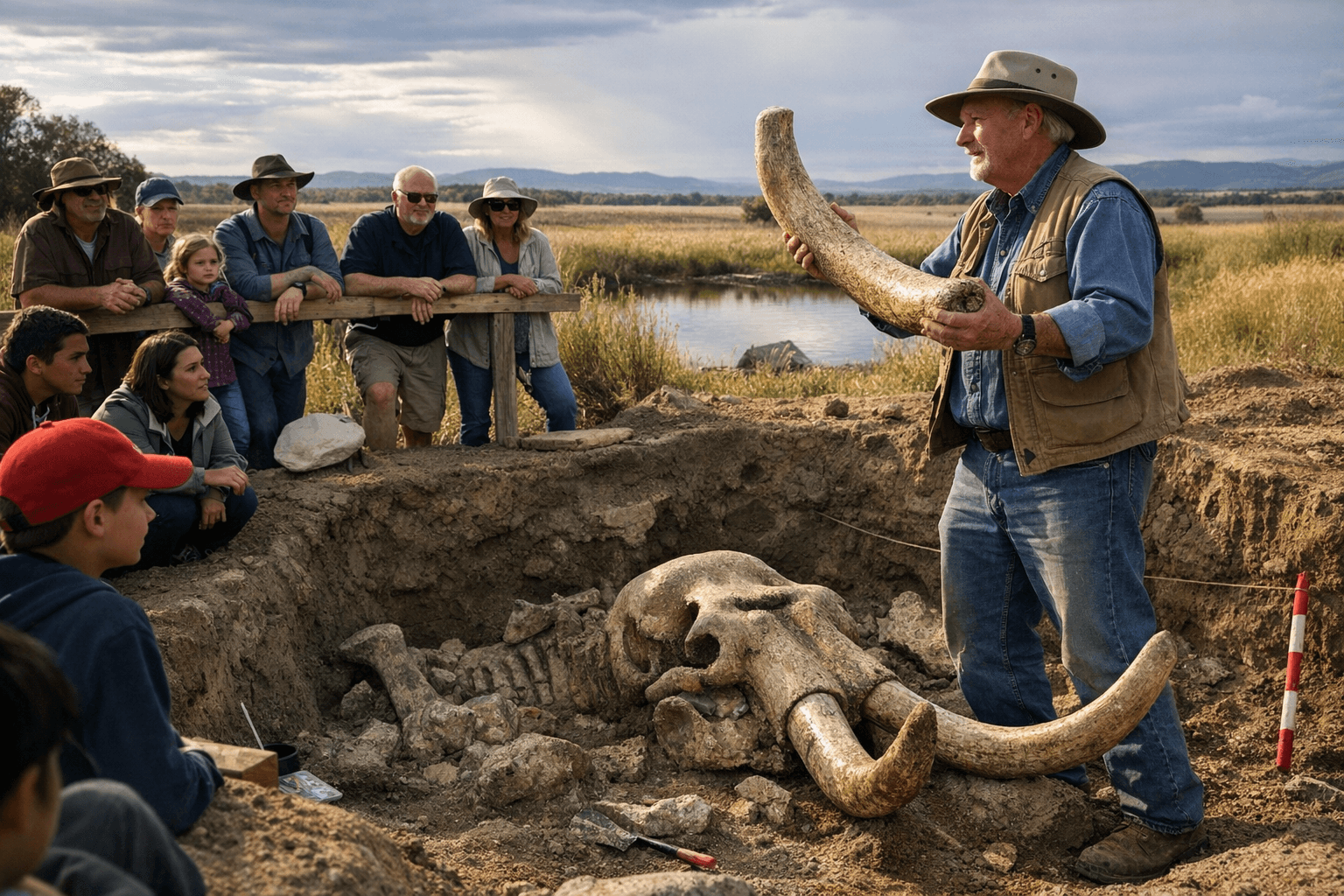
The preserve is also associated with more than 30 mammoths, according to Lamb Spring’s history page and earlier county coverage. That detail alone helps explain why the site draws attention far beyond local tourism circles. It is one thing to talk about Ice Age Colorado in a classroom; it is another to stand on ground linked to mammoths, bison and some of the earliest human activity in North America.
A county preservation story, not just a field trip
Lamb Spring fits into a larger Douglas County effort to protect and explain its past. The Douglas County Historic Preservation Board was established to promote awareness and value of the county’s prehistory, history and heritage, and the preserve is one of the clearest examples of that mission in action. It gives residents a place where the county’s oldest stories are not locked in archives or museum cases, but tied to the land itself.
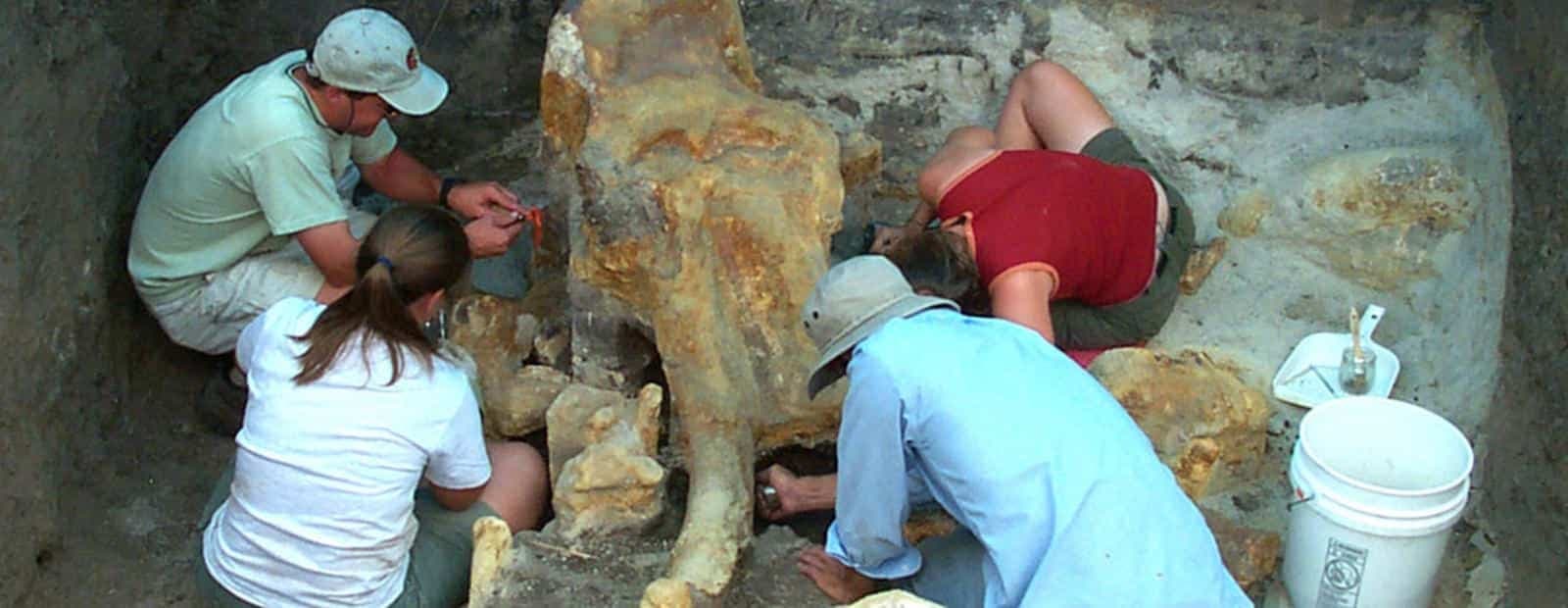
That preservation work has had institutional backing for decades. In 1995, The Archaeological Conservancy, working with Douglas County, the Smithsonian Institution and the Denver Museum of Nature and Science, purchased 35 acres around the site to help protect it. A later 2002 excavation brought in students and volunteers from the University of Colorado-Boulder and the Denver Museum of Nature and Science under the supervision of E. James Dixon and Paul Murphy. The preservation record shows a site that has been studied, guarded and revisited because its scientific value is so unusual.
The nonprofit materials tied to Lamb Spring describe it as a unique resource for research and public education, preserving some of the best evidence of the earliest humans in North America as well as the remains of extinct Ice Age animals. That is a strong claim, but the site’s history supports why it is taken seriously. The preserve is owned by The Archaeological Conservancy and operated by Lamb Spring Archaeological Preserve, which also says it hopes to build an interpretive museum.
What makes the visit worthwhile now
Part of Lamb Spring’s appeal is practical. The preserve is free, the tours are scheduled in advance, and the format is built for curious visitors rather than specialist researchers. Families can spend a few hours outside, children can see archaeology as something real and local, and adults can connect familiar Douglas County place names with a much older landscape.
Just as important, the site changes the way the county tells its own story. Douglas County is often discussed in terms of housing, roads, schools and growth. Lamb Spring pulls that conversation backward, to the animals, people and environments that were here long before the county became what it is now. It is a reminder that some of Douglas County’s most important history is still underfoot, waiting to be noticed on a Saturday morning.
This article was produced by Prism’s automated news system from verified source data, official records, and press releases, then run through automated quality and moderation checks before publishing. The system is built and supervised by the people who set the standards it runs under. Read our full AI policy.
Did this article answer your question?