Douglas County Parks and Trails Guide for Residents and Visitors
This guide outlines the county’s most notable parks and trail systems, what to expect at each site, and practical considerations for planning outings. Residents will learn where to find family-friendly features, water recreation, long-distance trails, and local rules for safe, responsible use.
This guide highlights key outdoor destinations across Douglas County and provides practical guidance to help you plan visits, stay safe, and support local conservation and community events.
1. Philip S. Miller Park (Castle Rock)
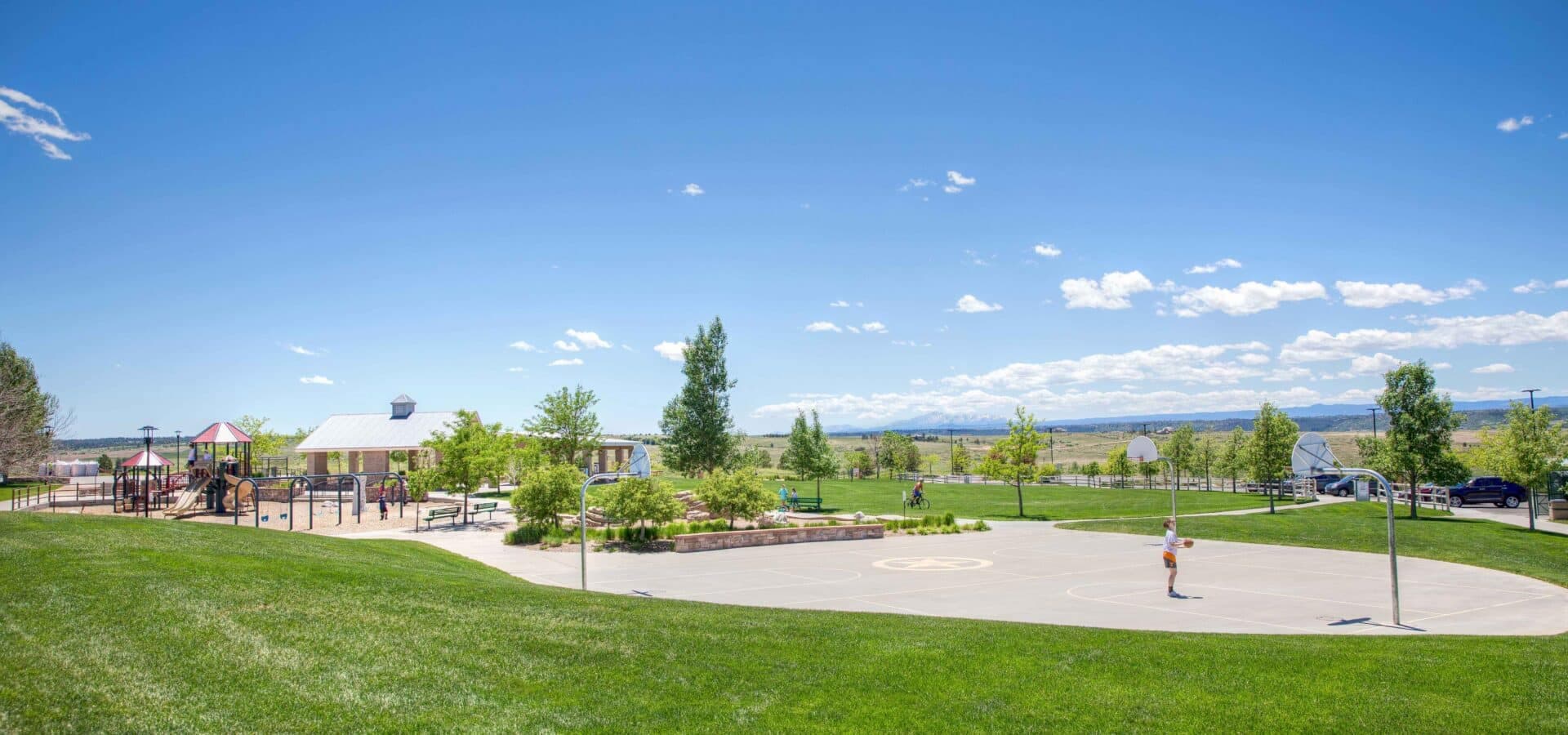
Philip S. Miller Park is a regional destination with large play structures, climbing features, a seasonal sledding hill, event spaces, and an extensive trail network that suits families and fitness-focused visitors. The park hosts community events and programming; check seasonal schedules before you go because attractions and activities can change across the year. Parking and access are organized around the Philip S. Miller Building, so verify parking guidance and any event-related restrictions when planning a visit. Expect well-maintained paved and unpaved trails suitable for walking, running, and casual biking, with facilities that support day-long family outings.
2. Rueter-Hess Reservoir (Parker area / Parker Water Conservancy)
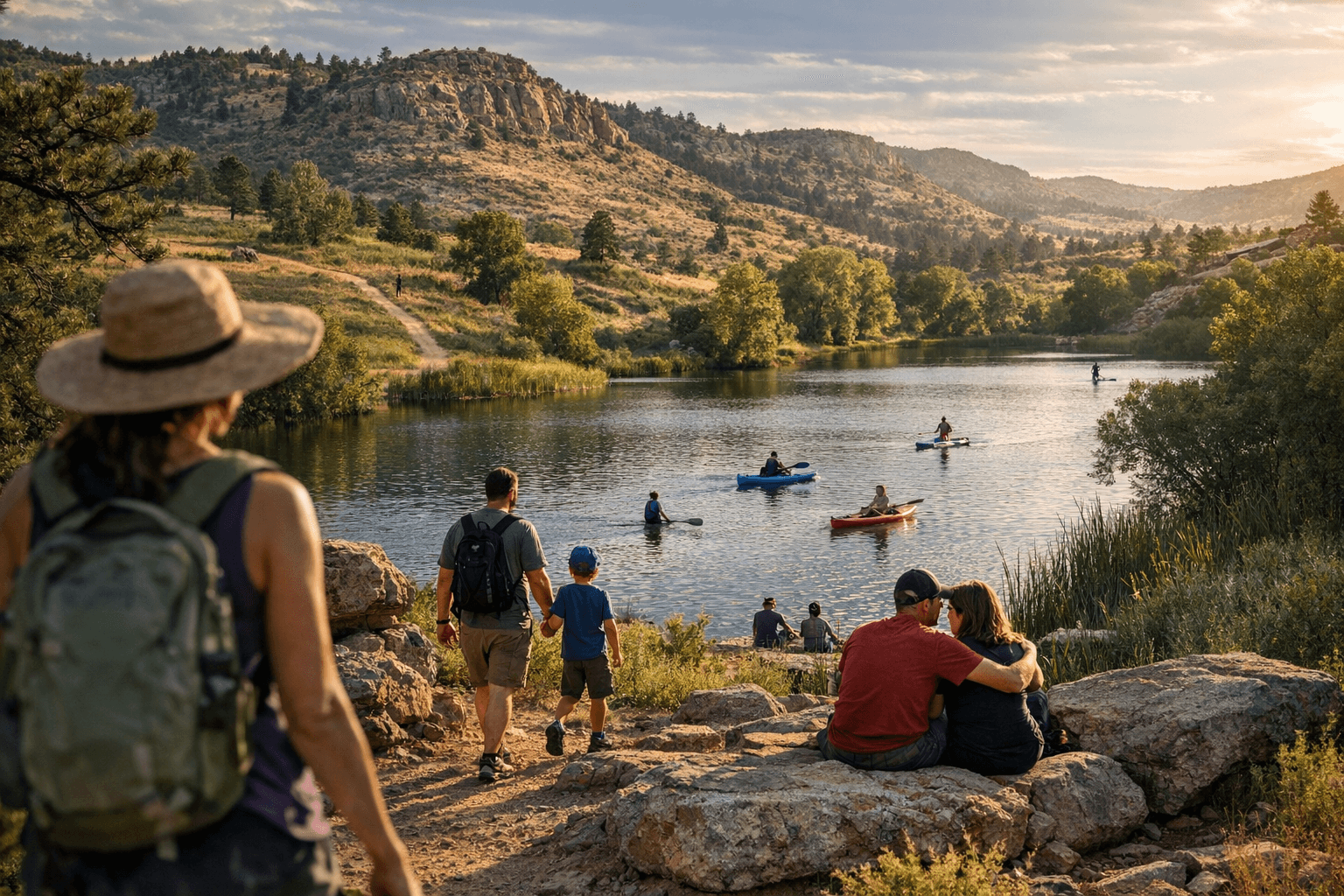
Rueter-Hess Reservoir is a popular water-side recreation area with walking and cycling paths, picnic spots, and wildlife viewing opportunities that attract both casual visitors and outdoor enthusiasts. Access for certain activities, especially boating, and some parking areas require reservations or adherence to specific rules, so check the Parker Water Conservancy or managing agency before arrival. The reservoir’s shoreline habitats support birdwatching and seasonal wildlife encounters, making it a good choice for nature-oriented outings. Bring appropriate gear for water-side conditions and plan ahead for limited or regulated boat access.
3. Highlands Ranch Open Space and Trail Network
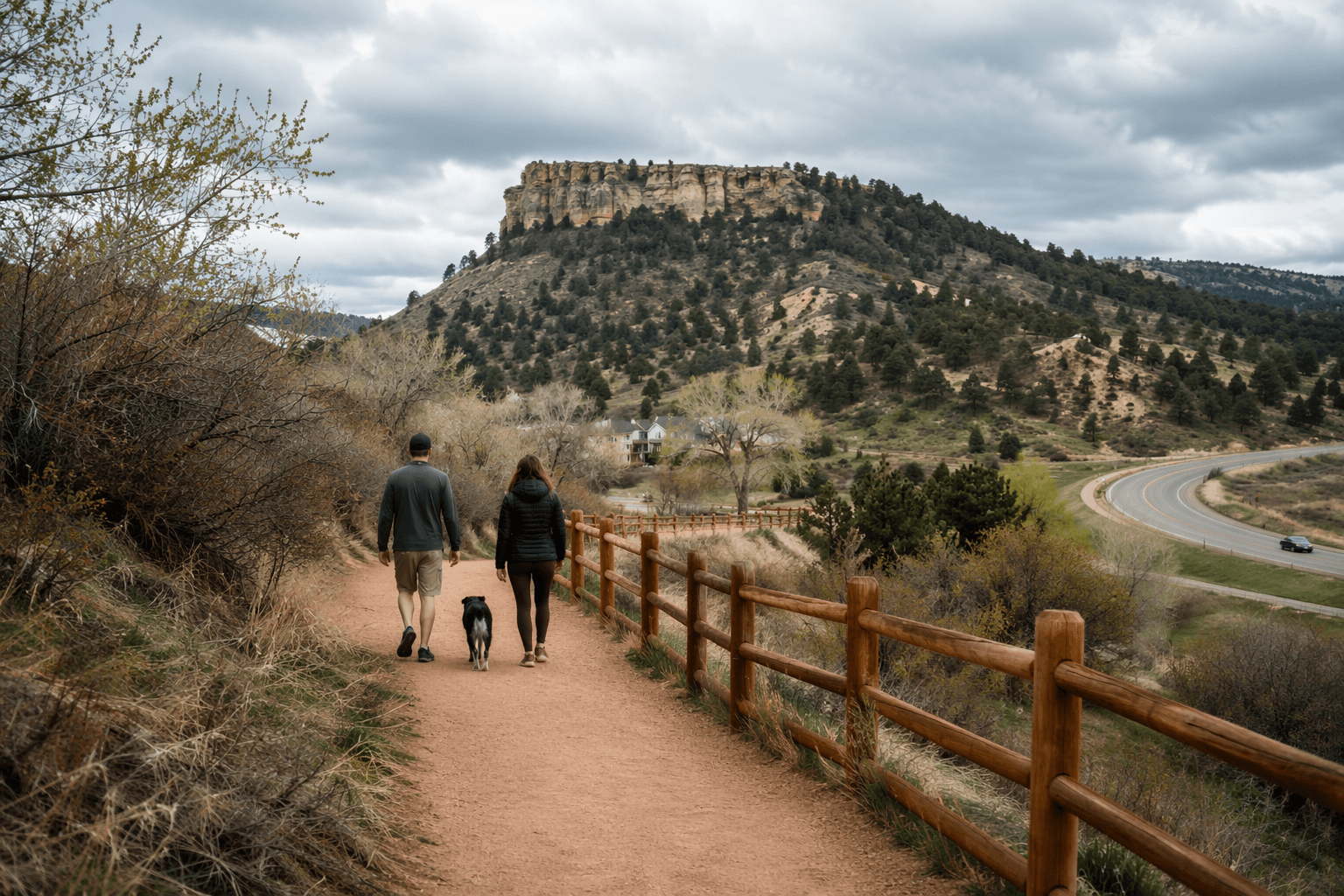
Highlands Ranch offers an extensive, interconnected trail system with access points near community parks and recreation centers, providing a range of surfaces and uses for different users. Trails vary from paved multiuse paths that accommodate walkers, runners, and cyclists to singletrack and gentle natural-surface loops suited to trail runners and mountain bikers. The network’s connection to local parks creates convenient loops for family outings, fitness routines, and dog walking, though some leash rules will apply in certain areas. Because trail types vary, check maps and consider footwear and bike choice to match surface conditions and elevation changes.
4. Dawson Butte Open Space and Nearby Douglas County Open Space Properties
Dawson Butte and nearby county open-space parcels offer panoramic views, native grassland and shrub habitats, and shorter hiking routes that are family-friendly while still rewarding experienced hikers. These properties prioritize wildlife habitat and conservation, so trails are often geared toward low-impact recreation and seasonal habitat protections. Expect fewer built amenities at smaller trailheads, plan for limited parking and bring water and sun protection even on shorter routes. These open spaces provide accessible options for quick nature breaks, photography, and wildlife observation within the county.
5. Fountain Creek Regional Trail (portions near county boundaries)
Portions of the Fountain Creek Regional Trail intersect or run adjacent to Douglas County boundaries, forming long-distance corridor segments that connect to other Front Range communities. Use these segments for extended rides or runs, and plan logistics around trailheads and parking availability since conditions vary by jurisdiction. Pay attention to signage that indicates connections to neighboring municipalities and any differing local rules that apply on segments outside county management. The trail is useful for commuter-style recreation as well as day trips that link several parks and greenways.
- Trail etiquette: Yield to horses, bikes should pass hikers with a clear warning, keep dogs leashed where required, and pack out what you pack in to preserve natural areas. These simple practices reduce conflicts and protect habitats across high-use regional sites.
- Seasonal safety: Douglas County conditions change with the seasons, snow, ice, and mud affect trail safety and access. Wear appropriate footwear, bring water and layers, and check county open-space pages for closures, fire restrictions, or hazardous conditions before heading out.
- Amenities and reservations: Many larger parks provide restrooms, picnic shelters, and on-site parking, while smaller trailheads may be minimal. County and municipal park pages list reservation processes for shelters and event permits; confirm those rules ahead of community events or large-group plans.
- Accessibility and surfaces: Verify trail surface type and elevation profiles if mobility or stroller access is a concern, paved multiuse paths are more accessible than singletrack or rugged natural-surface loops.
6. Practical Tips and Local Considerations
7. Why This Matters Locally
Douglas County’s parks and open-space systems are central to residents’ quality of life, offering recreation, wildlife conservation, and community gathering spaces that support public health and civic engagement. Well-managed green spaces contribute to property values, regional tourism, and resilient ecosystems; following local rules and participating in stewardship preserves those benefits. Whether you live here year-round or visit for a day, these destinations provide practical, reliable ways to connect with nature and your neighbors while supporting the county’s broader conservation and recreation goals.
This article was produced by Prism’s automated news system from verified source data, official records, and press releases, then run through automated quality and moderation checks before publishing. The system is built and supervised by the people who set the standards it runs under. Read our full AI policy.
Did this article answer your question?