Douglas County physics students tour Colorado STEM sites, explore careers
Douglas County physics seniors saw Colorado labs and engineering shops up close, linking class equations to the careers and industries that could keep STEM talent local.
Douglas County physics students tour Colorado STEM sites, explore careers
Douglas County High School’s senior physics students spent this spring doing more than visiting interesting labs. They were shown, step by step, how the equations they work through in class connect to real jobs in research, aviation, and engineering, a lesson with clear implications for a county that watches postsecondary readiness and workforce outcomes closely.
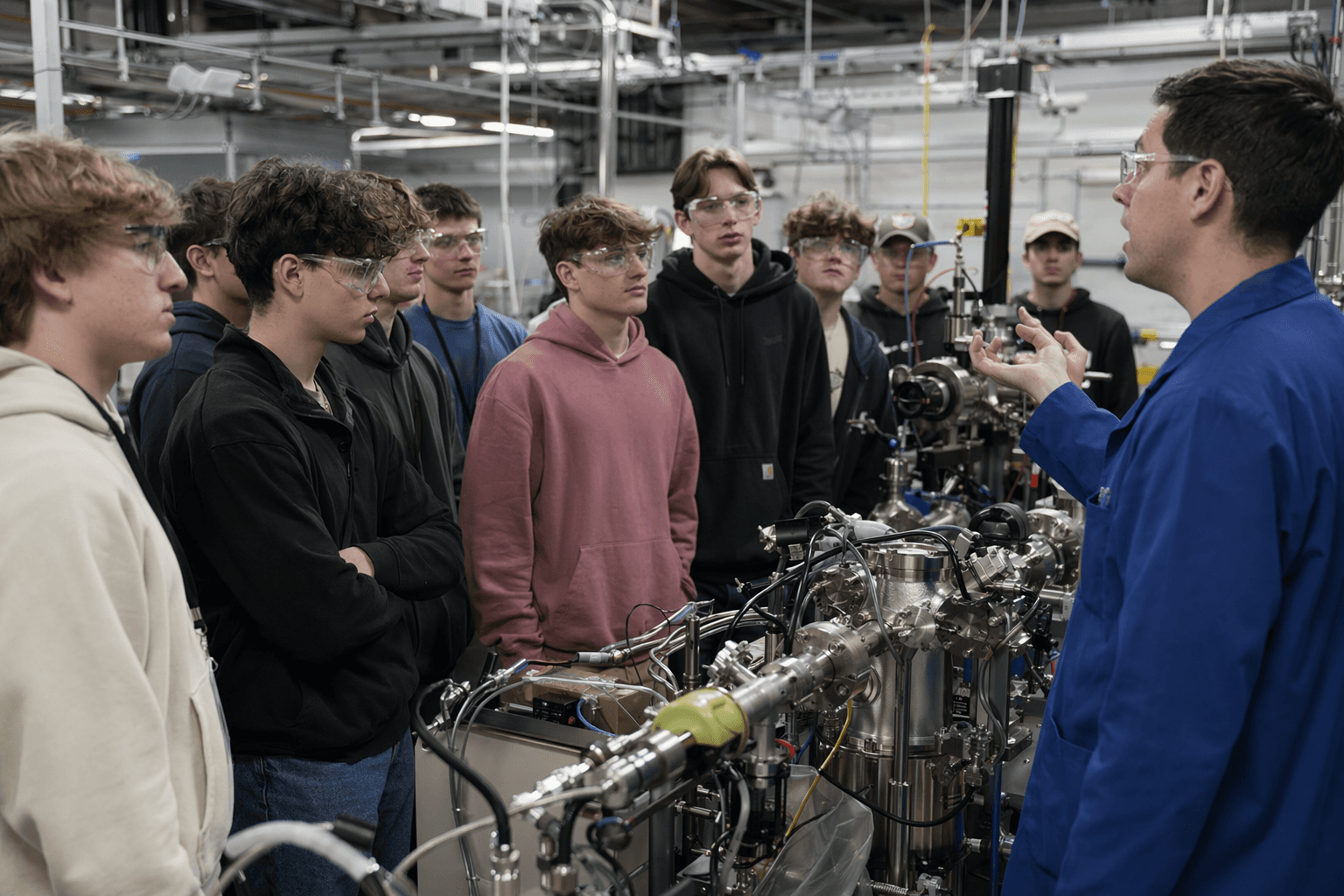
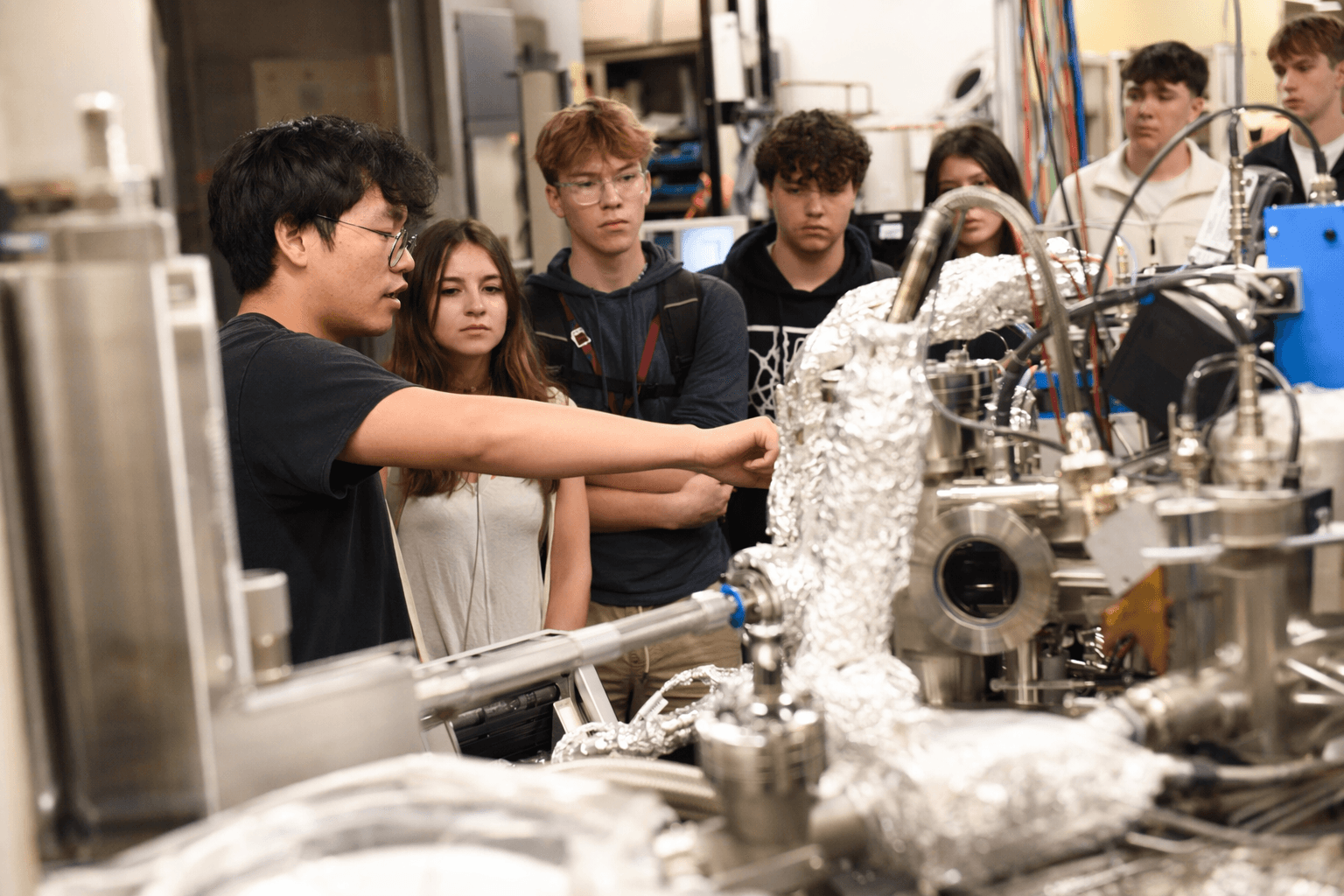
The district said its IB/AP Physics seniors toured several Colorado STEM sites as part of a hands-on push to connect classroom learning to future careers. The stops included CU Boulder’s Laser Lab, the Space IMPACT lab, a machine shop where students build physics equipment, Wings Over the Rockies, and iFly Indoor Skydiving. At each site, students were able to talk directly with researchers, examine cutting-edge experiments, and discuss possible job opportunities with people already working in the field.
A field trip designed as a workforce pipeline
The strongest takeaway from the district’s account is that these were not passive tours. DCSD framed the trips as an opportunity to show seniors where science and engineering study can lead, and that matters in a region where families often judge school programs by whether they produce concrete next steps after graduation.
That makes the spring tour series more than a classroom supplement. It is part of a broader pipeline question: if Douglas County wants to keep more technical talent in the county and nearby Front Range economy, students need early exposure to the kinds of labs, flight environments, and fabrication spaces where STEM work actually happens. The district’s message was clear enough: if students can picture themselves in these settings now, they may be more likely to pursue STEM majors, internships, apprenticeships, or first jobs later.
The visits also helped seniors see how academic preparation translates into local and regional opportunity. Aerospace, engineering, applied physics, and advanced manufacturing all depend on people who can move comfortably between theory and practice. That is exactly the kind of skill set these students were asked to recognize across the tour stops.
From equations to wings, wind tunnels, and lab benches
At Wings Over the Rockies, students studied airplane-wing aerodynamics, built model airplanes, and used flight simulators and a gyroball. That combination turned a physics unit into something visible and tactile. Instead of treating lift, drag, and stability as abstract formulas on a page, the students could see how those ideas affect actual aircraft design and flight behavior.
The iFly Indoor Skydiving stop pushed that same lesson further. Students calculated drag forces and terminal velocities, then tested those ideas in a wind tunnel. For seniors who have spent months or years learning physics concepts in a classroom, that shift from worksheet to wind tunnel is significant. It shows that the language of physics is not just academic, it is the working vocabulary of aviation, simulation, and engineering.
Other stops reinforced the same theme from different angles. At CU Boulder’s Laser Lab and the Space IMPACT lab, students could see high-level research settings where precision, experimentation, and technical problem-solving are central. The machine shop, where students build physics equipment, added another layer: the work of making scientific tools, not just using them, is itself a career path. Together, those sites showed students the range of settings in which physics training has value, from university research to fabrication to public science and aviation environments.
Why this matters in Douglas County
For Douglas County, the importance goes beyond a memorable spring outing. The county’s families tend to focus heavily on college readiness, career preparation, and whether school programs lead to practical outcomes. In that context, a tour like this functions as an economic development story as much as an education story.
The region’s STEM economy depends on a steady supply of students who can enter engineering programs, move into advanced lab work, or fill technical jobs that require strong math and science skills. Exposure at the high school level can shape those decisions earlier, especially for seniors who are weighing whether to commit to a STEM major or look elsewhere. By connecting coursework to real workplaces, the district is trying to reduce the gap between academic performance and career confidence.
That connection also has a retention angle. Students who can see a path from Douglas County classrooms to Colorado research labs, aviation facilities, or engineering shops may be more likely to stay connected to the county and the Front Range after graduation. In an economy where technical workers are in demand and employers compete for talent, that kind of early exposure can influence where students study, where they intern, and where they eventually work.
The next question is who hires them next
The spring tours gave students a concrete look at the kinds of environments where physics skills matter. The next step is even more important: which employers, colleges, and industries turn that exposure into admissions, internships, apprenticeships, and jobs?
That question reaches well beyond a single school trip. University labs can become the first stop for students heading into research careers. Aviation and aerospace settings can point students toward engineering and flight-related roles. Machine shops and technical fabrication spaces can lead to hands-on manufacturing work that supports the broader science and technology economy. The district’s tours opened those doors in a visible way, but the real measure of success will be whether more Douglas County graduates walk through them after high school.
For now, the message from the physics program is straightforward. When students can connect the forces they calculate in class with the wing they build, the tunnel they test, or the lab they tour, the path from lesson to livelihood becomes easier to see. In Douglas County, that is not just good teaching, it is a workforce strategy.
This article was produced by Prism’s automated news system from verified source data, official records, and press releases, then run through automated quality and moderation checks before publishing. The system is built and supervised by the people who set the standards it runs under. Read our full AI policy.
Did this article answer your question?