Douglas County schools board weighs return to collective bargaining
A 13-year break from teacher bargaining could end in Douglas County, where staff say a contract would shift leverage on pay, class size and planning time before 2026-27.

Douglas County School District’s board is weighing whether to bring back collective bargaining, a move that could change how pay, staffing and classroom conditions are negotiated in Colorado’s third-largest district. For families in a district serving about 61,000 students, the debate reaches beyond labor policy and into whether the district can hold onto teachers before the next school year.
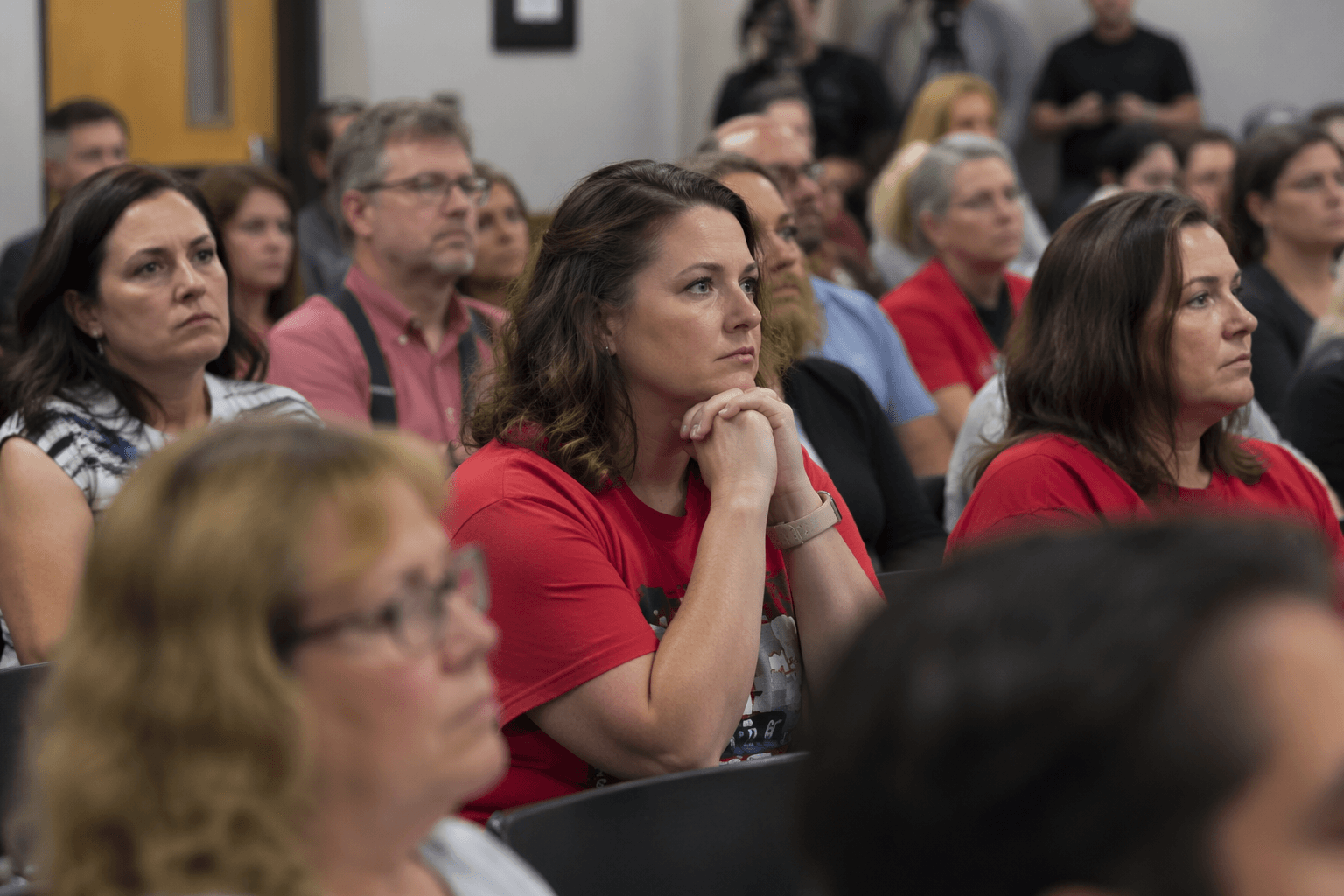
The push comes after 13 years without a contract. The Douglas County Federation of Teachers says the district let its collective bargaining agreement expire in 2012, and union leaders now want the district to recognize the federation as the bargaining representative for teachers and staff and open talks on a 2026-27 agreement. Lucy Squire, a third-grade teacher and the union president, told the board that the issue is not just about salaries. She said collective bargaining would give staff a voice on planning time, class sizes, reimbursements, evaluations and grievance procedures.
If the board returns to bargaining, the district would no longer be relying only on its own administrative process to set those terms. That would give the union formal leverage in decisions that affect daily school operations, while also limiting how freely the board can act on personnel policy without negotiation. Supporters say that could improve retention and stabilize staffing. Opponents warned that the board would be giving away flexibility to an outside labor union.
The discussion lands as Douglas County schools face both academic momentum and financial pressure. District officials said Douglas County posted the highest math and literacy scores in the Denver metro area, and its graduation rate rose to 93.6% this year from 92.2% last year. At the same time, the district is projecting a $15 million budget gap by the 2027-28 school year, and officials have said teacher compensation remains below market rates.
Money is already part of the bargaining question. A 2026 mill levy override under discussion could generate about $54 million a year and include a 4% salary increase. In 2023, voters approved a $66 million mill levy override that produced a 9% raise for teachers and staff. The district also won approval for a $490 million bond in 2024. Officials say the education tax rate has fallen from 22.5 mills in 2013 to 18.1 mills today.
The issue is especially charged because the school board voted on Sept. 5, 2012, to end ties with the teachers union instead of sending the matter to a public vote. Board members have shown interest in continuing the discussion, but no formal action has been taken yet, leaving Douglas County on the cusp of a major reversal in how its schools handle labor relations.
This article was produced by Prism’s automated news system from verified source data, official records, and press releases, then run through automated quality and moderation checks before publishing. The system is built and supervised by the people who set the standards it runs under. Read our full AI policy.
Did this article answer your question?