Douglas County schools poised to acquire former Wildlife Experience site
Douglas County schools could gain a 151,000-square-foot former museum in Lone Tree, a rare land asset as campus space grows scarce.
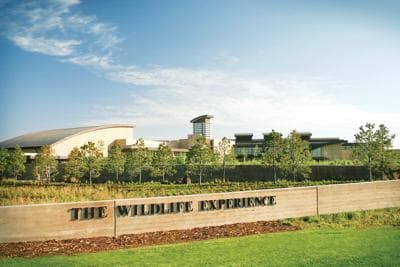
Douglas County School District is moving toward ownership of the former Wildlife Experience site in Lone Tree, a 151,000-square-foot property that could become one of the district’s most flexible long-term assets. In a county where school facilities, enrollment shifts and land use are tightly connected, the site offers something increasingly hard to find: room to maneuver.
The property began as more than a building. The Wildlife Experience opened in 2002 as a wildlife art and natural history museum meant to serve as a cultural center and community asset for south metro Denver. The prairie mission-style facility became a familiar landmark in Douglas County, and its size, 151,000 square feet, gives it a scale few school district properties can match.
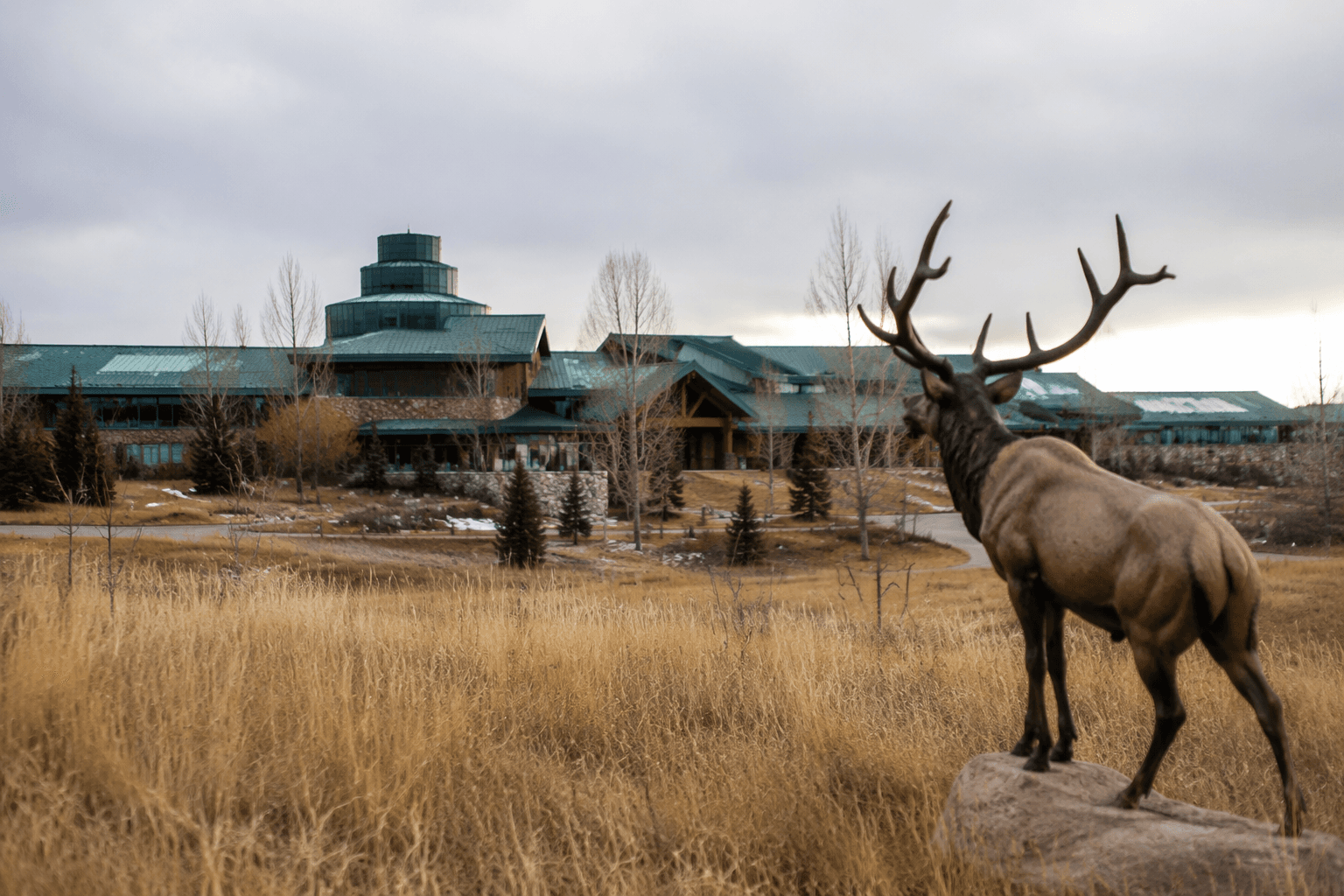
Its institutional history deepened in 2014, when Dave and Gail Liniger donated The Wildlife Experience to the University of Colorado. The gift, valued at $40 million, was described as the largest real estate donation in CU’s 138-year history. CU South Denver launched that fall at the Liniger Building, extending the site’s role from museum to higher education hub.
But the campus did not stay fixed for long. In September 2020, the CU South Denver campus in Douglas County was slated to be shuttered and sold. By May 2021, the University of Colorado had put the south Denver facility on the market. A Denver Gazette story dated Feb. 7, 2022, said the Wildlife Experience building in Douglas County was going to transform once again, underscoring how often the property has changed hands and purpose in recent years.
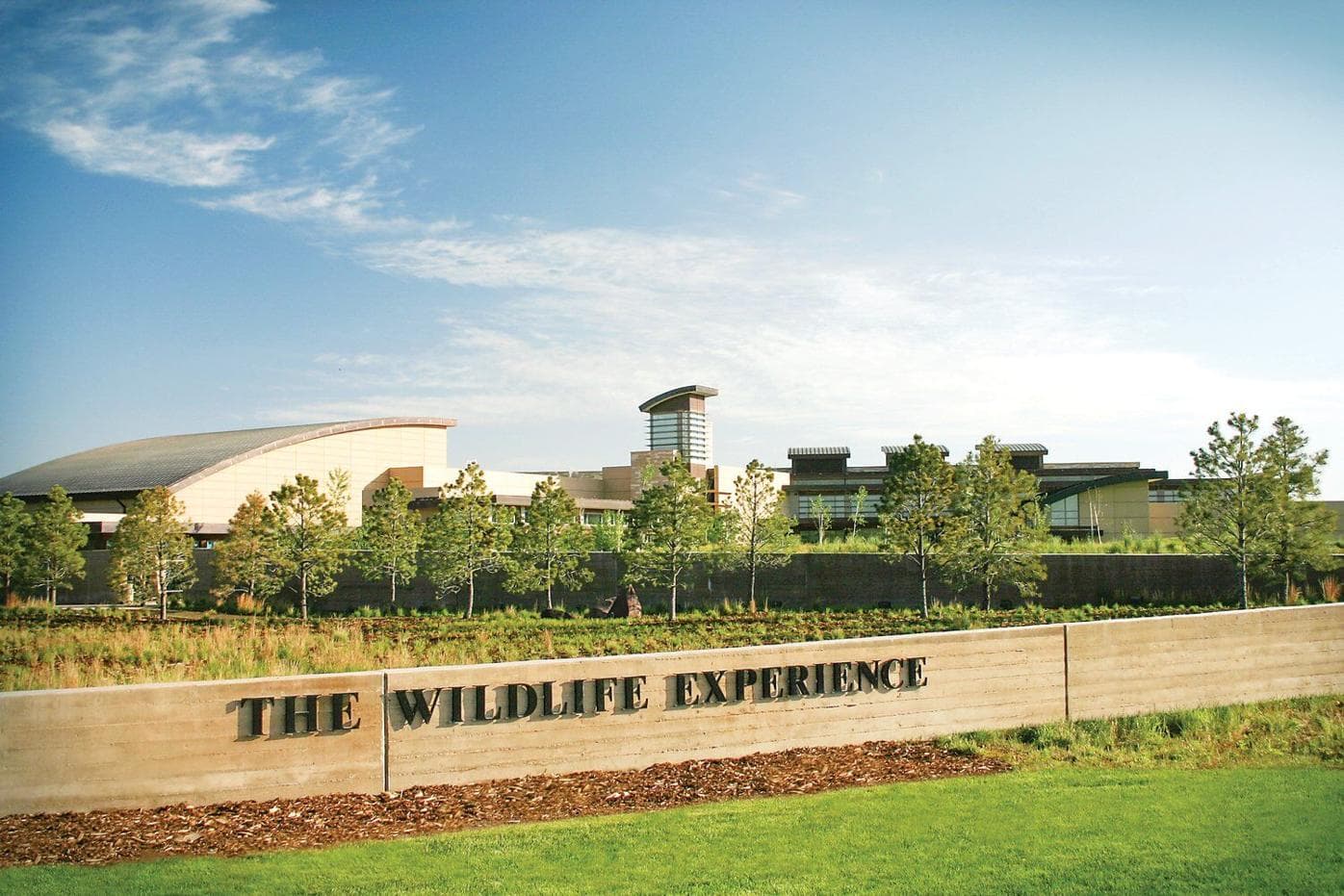
Douglas County School District has already shown an appetite for using property purchases as part of its facilities strategy. On Dec. 15, 2021, the district said it closed and assumed ownership of the CU South Building in Lone Tree for a future student innovation center. That earlier move suggests the district sees value in taking control of existing structures rather than always building new ones from the ground up.
If the district acquires the former Wildlife Experience site, the payoff could be substantial. An existing large facility can be adapted for educational, administrative or programmatic use without the full cost and delay of new construction. But the risks are just as real: a large legacy property can bring maintenance bills, retrofit costs and long-term operating obligations that taxpayers will ultimately have to absorb. In a fast-growing county where usable school land is scarce, the decision will carry weight well beyond the parcel itself, and the district’s Board of Education will be the place where those tradeoffs are tested.
This article was produced by Prism’s automated news system from verified source data, official records, and press releases, then run through automated quality and moderation checks before publishing. The system is built and supervised by the people who set the standards it runs under. Read our full AI policy.
Did this article answer your question?