Douglas County search and rescue leans on drones in busy summer season
Drones are helping Douglas County rescuers reach stranded hikers faster, with Bear Mountain showing how water and power can arrive before crews do.
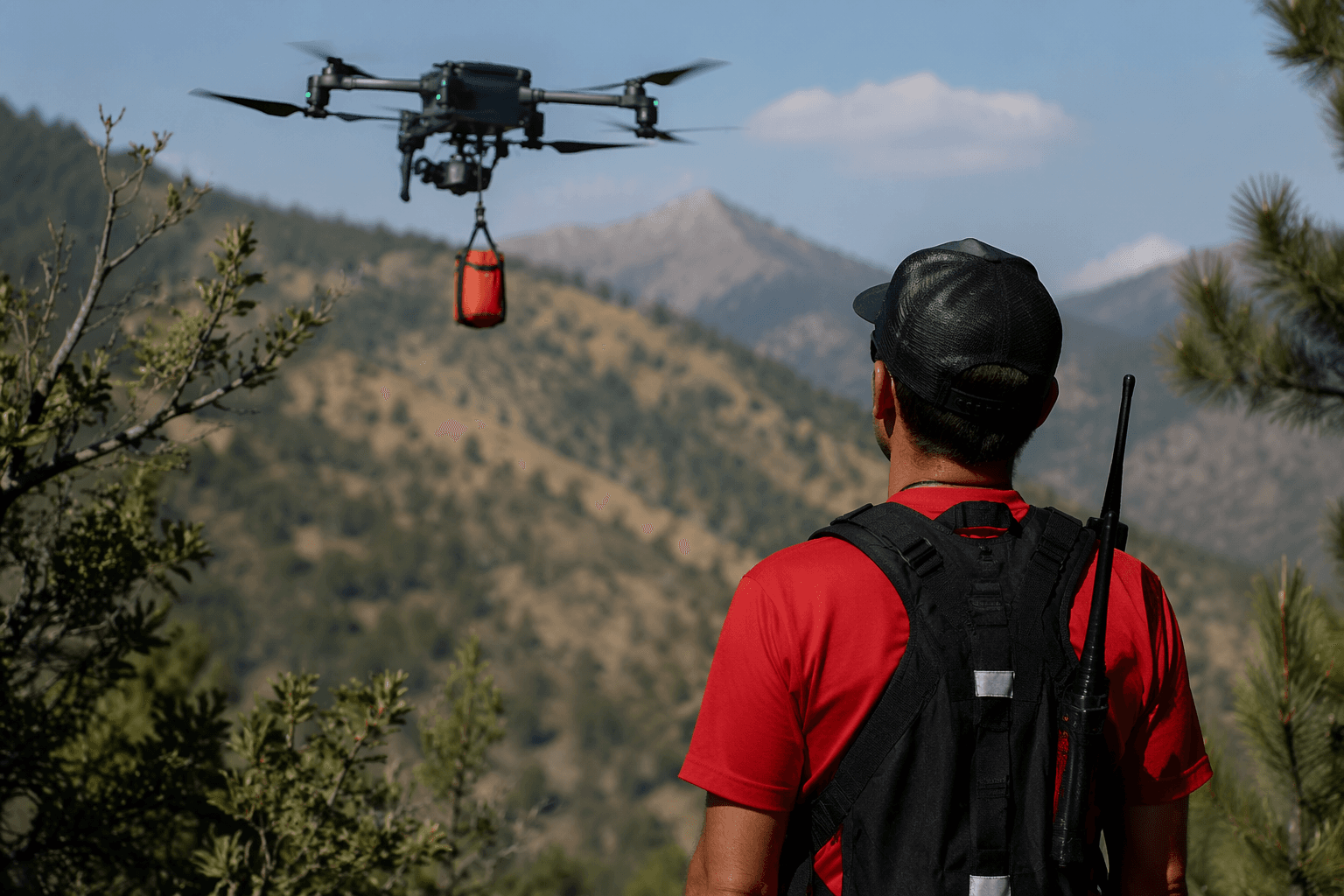
Douglas County Search and Rescue is leaning harder on drones this summer, and that shift is already changing what a backcountry rescue looks like. In steep terrain far from roads, the aircraft can get help to injured or stranded people while ground teams are still hiking in, buying time when every minute matters.
A faster bridge in rough country
The biggest change is not that drones are replacing rescuers. They are not. Instead, Douglas County Search and Rescue, or DCSAR, is using them as a fast-response bridge, sending supplies, visual support and reassurance ahead of the people who still have to reach the scene on foot.
That matters in a county where rescues often unfold in mountains, open spaces and rugged backcountry. When a call comes from a steep slope or a remote trail, the drone can be the first unit on scene, giving rescuers a way to assess conditions and help the subject without exposing a ground team to the same delay or risk.
What the drone can actually do
In practice, the technology is already doing more than taking pictures. Crew members describe drones as a tool that can deliver water, gear and even reassurance to hikers who are stuck and waiting for help to arrive.
That combination can change the outcome of a rescue. Water helps with dehydration, gear can stabilize a difficult situation, and a visible signal from rescuers can reduce panic while the rest of the team makes its approach. In the best cases, that support can keep a difficult situation from escalating into a medical emergency.
Bear Mountain showed the value in real time
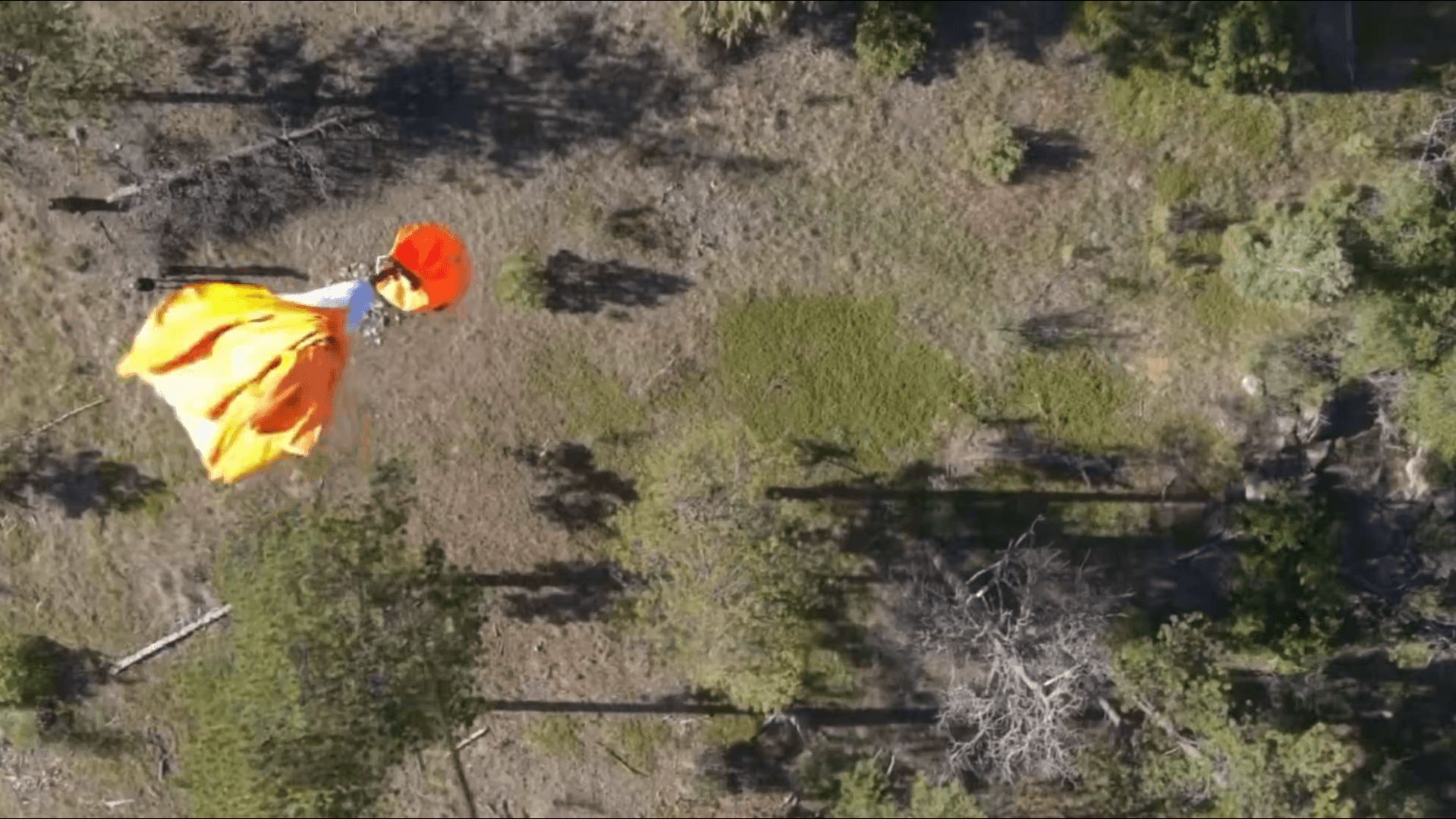
A recent rescue near Bear Mountain offered a clear example of how the system works. Video from Thursday evening showed rescuers using a drone to get water and power to hikers who were stuck while they waited for help to reach them.
The scene captures why the technology has become so important during Douglas County’s busiest outdoor season. In a remote setting, those first minutes can be the difference between a controlled rescue and a more serious crisis, especially when hikers are tired, exposed or uncertain how long they will be waiting.
Why summer raises the stakes
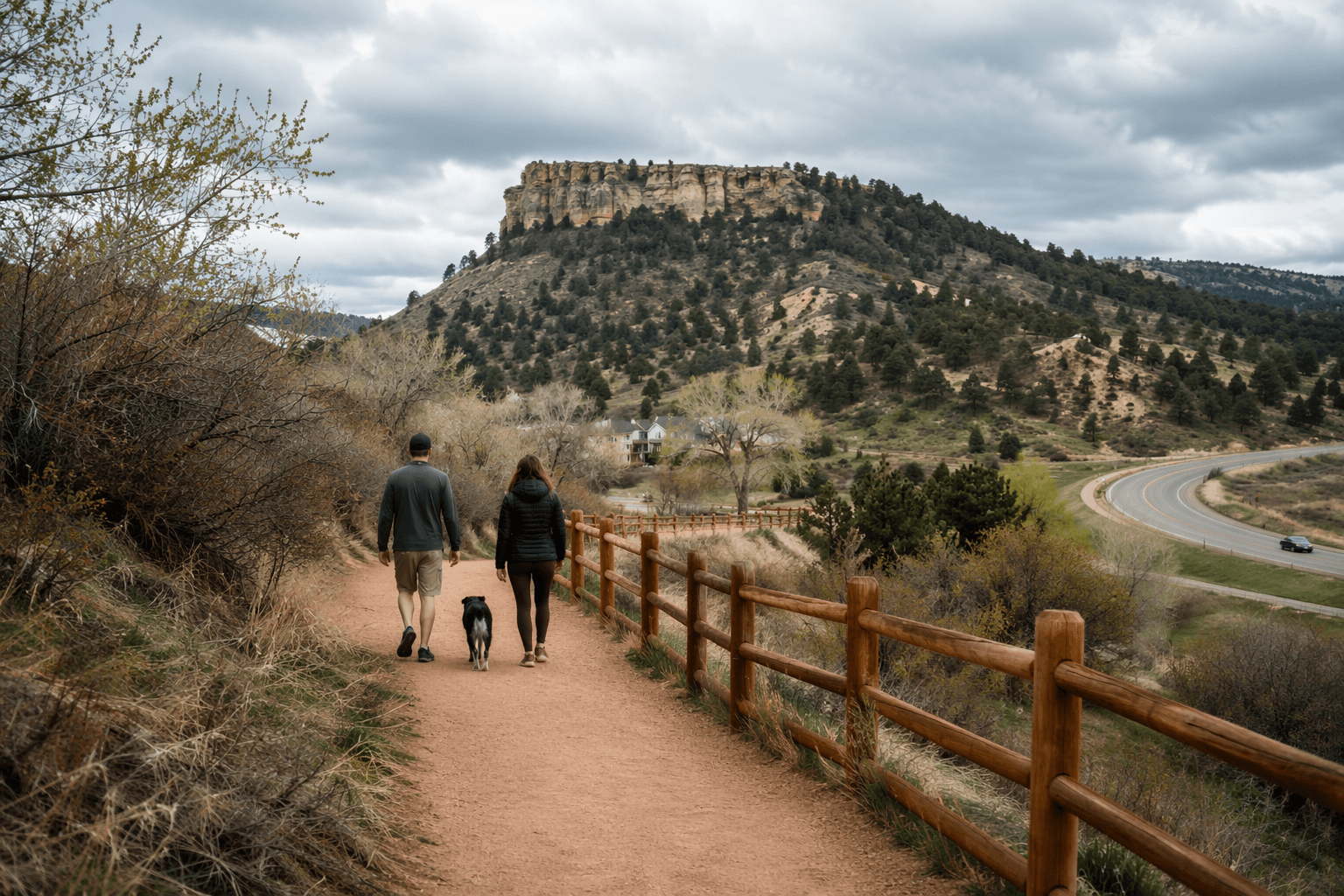
Summer in Douglas County usually means more hikers, more trail traffic and more people spending time in places where help is not immediately close by. That seasonal surge comes just as heat, sudden weather shifts and difficult terrain can make rescues harder for everyone involved.
The county’s rescue crews are facing a higher call volume at the exact moment when conditions can become more punishing. Hot weather can speed up dehydration, storms can turn a simple route into a dangerous one, and remote terrain can slow even experienced responders. Drones give DCSAR a way to respond more effectively in that environment without sending people into unnecessary danger first.
How operations are changing on the ground
The drone is now part of the rescue workflow, not an add-on. It can reach subjects quickly, provide situational awareness and bridge the gap until ground teams physically arrive, which is especially valuable in the county’s steep and isolated terrain.
That operational shift also reflects a broader reality in Douglas County. As the county grows, wilderness access and population pressure increasingly overlap, and local emergency teams are adapting to that strain. Drones do not solve every problem, but they help DCSAR stretch its response in a landscape where distance, elevation and time are constant challenges.
What hikers should do differently
For people heading into Douglas County’s mountains and open spaces, the rise of drone-assisted rescue changes the expectations around self-rescue and communication. If help is delayed, staying put and making yourself visible matters more than trying to push through dangerous terrain alone.
A few basics are especially important:
- Carry water, because a drone may be able to deliver more, but it should not be the only thing keeping you going.
- Keep a phone charged, since rescue teams still need a way to coordinate with you.
- Stay where rescuers can find you, especially if you are injured, lost or nearing exhaustion.
- Use any visible gear or clothing you have, because drones can help locate you faster when crews are searching from above.
- Treat the drone as a sign that help is on the way, not as a replacement for following rescue instructions.
The central message for hikers is simple: drones can shorten the gap between trouble and relief, but they do not erase the risks of Douglas County’s terrain. The county’s busiest outdoor season is still a season for caution, and the new technology is strongest when people use it as one more reason to make smart choices before a hike becomes a rescue.
This article was produced by Prism’s automated news system from verified source data, official records, and press releases, then run through automated quality and moderation checks before publishing. The system is built and supervised by the people who set the standards it runs under. Read our full AI policy.
Did this article answer your question?