Douglas County tracker spots openings, closures and retail changes
Douglas County’s latest tracker shows growth is clustering in Lone Tree, Sedalia and Castle Rock, while longtime staples and retail anchors face change.
A new openings-and-closings tracker is showing Douglas County in motion from several directions at once. The county is adding seven new spots, but the more revealing story is where they are landing: around Lone Tree’s dining corridor, in Sedalia’s small-town core, and near major retail nodes that keep drawing new investment and new pressure.
A county changing through its storefronts
The first edition of the weekly tracker does more than list businesses. It captures a suburban county where higher-end dining, nightlife and retail repositioning are arriving alongside the slow vulnerability of older local favorites. That mix matters because Douglas County residents feel it in ordinary ways, from where they eat after work to which shopping centers anchor weekly errands and how traffic builds around the largest commercial corridors.
The roundup highlights a Lone Tree speakeasy, barbecue in Sedalia, changes coming to the Outlets, a 2027 Costco reality check and a Castle Rock institution on a closure clock. Put together, those are not isolated updates. They point to a county where consumer demand is splitting between new experience-driven concepts and the durable everyday places that long shaped local routines.
Lone Tree is still the county’s upscale growth engine
Lone Tree keeps pulling in concepts that depend on disposable income, destination traffic and a dense customer base. The city sits beside Park Meadows mall, the Charles Schwab campus and a rapidly growing dining district along Lincoln Avenue, a combination that gives new operators a built-in stream of shoppers, office workers and dinner crowds.
That context helps explain why a speakeasy can fit there so naturally. In Lone Tree, growth is not just about more rooftops. It is about a more layered consumer economy, where people can move from shopping to happy hour to dinner without leaving a compact commercial zone. That is the kind of pattern developers like, because it supports evening traffic and higher-margin hospitality concepts, and it is the kind of convenience residents notice because it changes where a typical weeknight gets spent.
Lincoln Avenue has become especially important in that shift. As the dining district expands, Lone Tree is moving further away from the old suburban model of isolated stores and toward a more walkable, mixed-use feel. That makes the city a logical place for new food and nightlife businesses that want visibility and steady demand rather than a one-off destination gamble.
Sedalia’s new restaurant activity reflects a different kind of demand
Sedalia tells a very different story, and that contrast is part of the countywide picture. It remains an unincorporated community with deep ranching roots, home to Bud’s Bar and the Gabriel’s restaurant campus, yet it is still drawing new attention from operators looking for a setting with identity and room to stand out.
Barbecue in Sedalia is not just a menu choice. It shows how dining concepts are spreading beyond the county’s larger, more obvious commercial centers. In a smaller community with a strong sense of place, a restaurant can become part of a day trip, a local tradition or a stop that draws people down scenic routes they would not otherwise drive. That creates a different sort of economic value than the faster churn of a mall corridor.
The tracker’s mention of Sedalia underscores how growth in Douglas County is not uniform. One pocket is becoming more polished and urban in feel, while another is leaning on authenticity, open land and longtime landmarks. Both are attracting spending, but they do so for different reasons, and that says a lot about how residents now choose where to eat and linger.
The retail anchors are shifting too, not just the independents
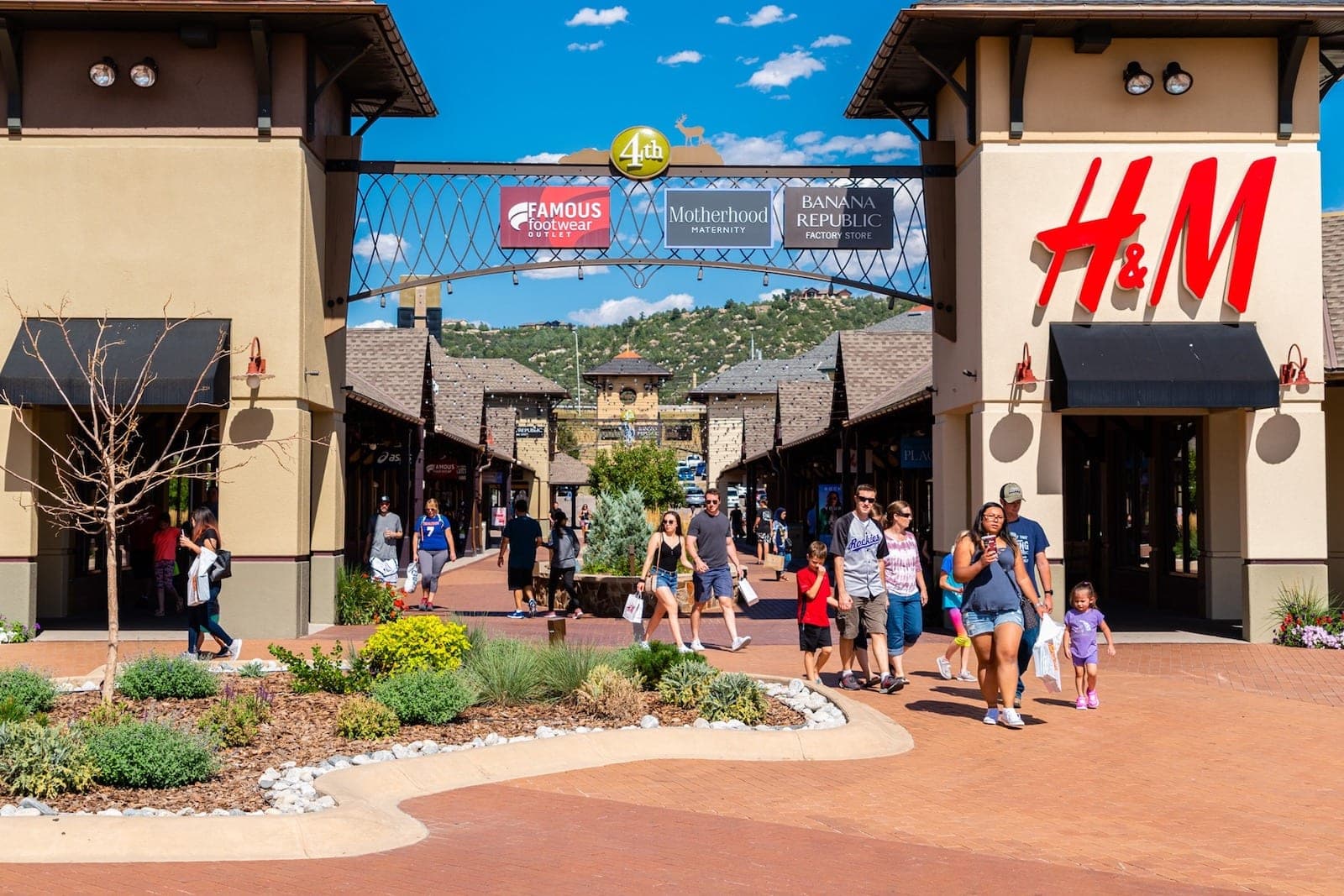
The Outlets are part of the county’s retail identity, but the tracker makes clear that even established shopping centers are not static. Tenants change, spaces get reshaped and commercial owners keep repositioning what those centers should be for the next round of shoppers. That matters in Douglas County because outlet retail is not just about bargains. It is tied to local traffic patterns, regional visitation and the way residents fold shopping into larger errands.
The Costco question is even more telling. The tracker flags a 2027 Costco reality check, and a separate development update says the Castle Rock Costco interchange and the Costco itself both land in 2027. That kind of timeline shows how strongly residents are tracking a single warehouse club because it can alter traffic, shopping habits and the feel of surrounding neighborhoods.
Costco’s Douglas County-area Littleton warehouse page lists an opening date of November 20, 1997, which reminds readers that this is not a brand-new retail idea arriving in the county. It is a long-established shopping pattern being reshaped by growth, road projects and consumer expectations. In other words, the county is not deciding whether Costco belongs here. It is deciding how much space the warehouse model should command in the next phase of Douglas County life.
Even familiar institutions are under pressure
The Castle Rock end of the tracker gives the clearest sign that growth brings loss as well as expansion. Castle Cafe, on Wilcox Street, is described as a 25-year Castle Rock institution, the kind of restaurant the town would visibly miss if it closed. That language matters because places like that are not just businesses, they are reference points for residents who have watched the town change around them.
A closure risk at a restaurant with that kind of history signals more than a single lease issue or one weak quarter. It reflects the harder economics of running a long-established local institution in a county where tastes, competition and commercial rents keep evolving. When a place with that much local recognition comes under pressure, the effect is felt beyond the dining room because it changes the mix of what feels permanent in a community that is otherwise growing quickly.
Castle Rock, like the rest of the county, is being pulled in two directions at once. It is gaining new infrastructure and major retail investment, but it is also at risk of losing the kind of familiar spot that gives a town continuity. The tracker captures both forces in the same frame, which is why it lands as a broader county story rather than a simple list of openings and closures.
The next phase is already spreading beyond restaurants
Douglas County’s changing commercial map is not limited to food and shopping. On July 6, 2026, the county announced that residents can schedule appointments to drop off electronics at the new GreenWorks site in Sedalia. Electronics recycling is the second phase of the rollout, followed by household hazardous waste disposal in August and a biochar facility in September.
That sequence says something important about how county services are expanding alongside private investment. GreenWorks is not a retail opening, but it still affects resident behavior, travel patterns and the practical routines that shape a growing county. People will plan stops, book appointments and adjust disposal habits around a new Sedalia site that sits in a community already balancing ranching history with new uses.
Taken together, the openings, the closings, the retail timeline and the county’s new service sites show a Douglas County that is being rebuilt in layers. Lone Tree is drawing polished dining and entertainment, Sedalia is adding more varied destination appeal, Castle Rock is managing the strain on its old institutions, and the biggest retail anchors are still powerful enough to reshape roads and routines.
This article was produced by Prism’s automated news system from verified source data, official records, and press releases, then run through automated quality and moderation checks before publishing. The system is built and supervised by the people who set the standards it runs under. Read our full AI policy.
Did this article answer your question?