Extreme heat warning in Douglas County through Friday, fire danger rises
Heat indices could reach 110 in Douglas County through Friday as fire danger rose after a recent wildfire near Devil’s Head.
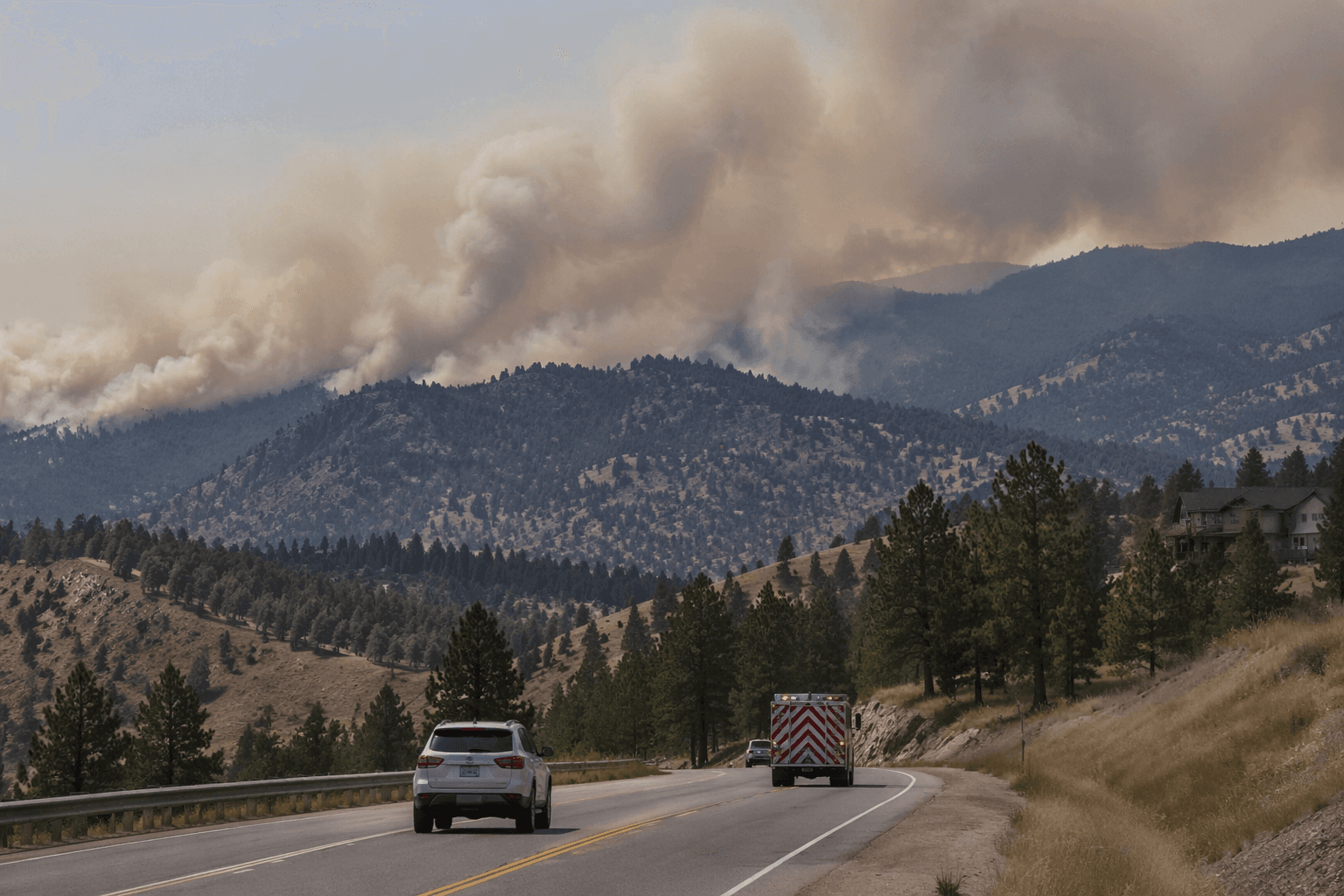
Douglas County was under an extreme heat warning through Friday as heat indices were expected to climb to 100 to 110 degrees, raising the risk of heat illness and intensifying fire danger across the county. The National Weather Service says an extreme heat warning is reserved for high heat conditions that pose a significant threat to life, and its guidance says these warnings are generally issued when an extreme heat event is expected in the next 24 to 36 hours.
Douglas County Emergency Management urged residents to stay hydrated, seek air conditioning and check on neighbors and relatives as the warning took hold. The message carried added weight for people spending time outdoors and for households without reliable cooling, where temperatures in the 100s can quickly become dangerous once humidity pushes the heat index even higher.
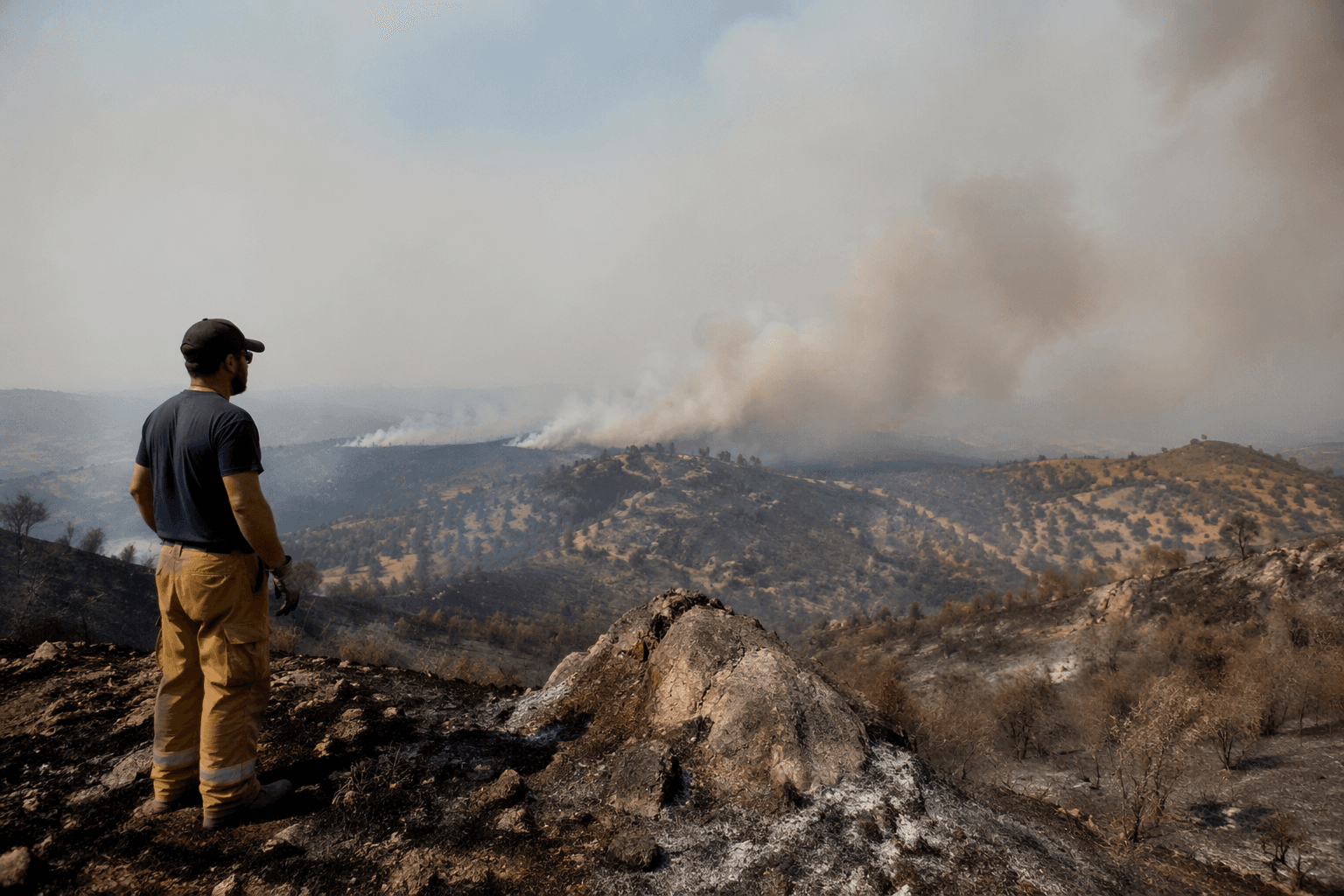
The concern was not theoretical. On June 20, 2026, a lightning-caused Log Jumper Fire near Jackson Creek Road and Rampart Range Road prompted an evacuation warning for a three-mile radius that included Devil’s Head Recreation Area. Officials lifted the warning after the one-acre fire was reported 80% contained, but the brief evacuation underscored how quickly dry weather can turn a small blaze into a public safety problem in Douglas County.
The heat also arrived as Colorado moved from severe storms earlier in the week into a new round of danger. On June 27, 2026, state weather coverage described residents cleaning up storm damage while extreme heat and elevated fire danger spread across the state. The National Weather Service Denver/Boulder office warned that critical fire conditions were in place over the higher terrain because of gusty southwest winds and low humidity, a combination that can push flames faster and make suppression harder.
Denver’s summer-heat climatology shows just how unusual the strongest heat remains on the Front Range. Since 1872, there have been only 15 occurrences of consecutive 100-degree days in Denver, and 105 degrees is tied for the city’s highest recorded temperature on June 28, 2018; June 26, 2012; June 25, 2012; July 20, 2005; and August 8, 1878. With the warning in place and fire weather worsening, Douglas County residents were being told to treat the heat as a direct safety threat, not just a hot stretch of summer weather.
This article was produced by Prism’s automated news system from verified source data, official records, and press releases, then run through automated quality and moderation checks before publishing. The system is built and supervised by the people who set the standards it runs under. Read our full AI policy.
Did this article answer your question?