Five Essential Douglas County Parks and Trails for Walking, Running, Playing
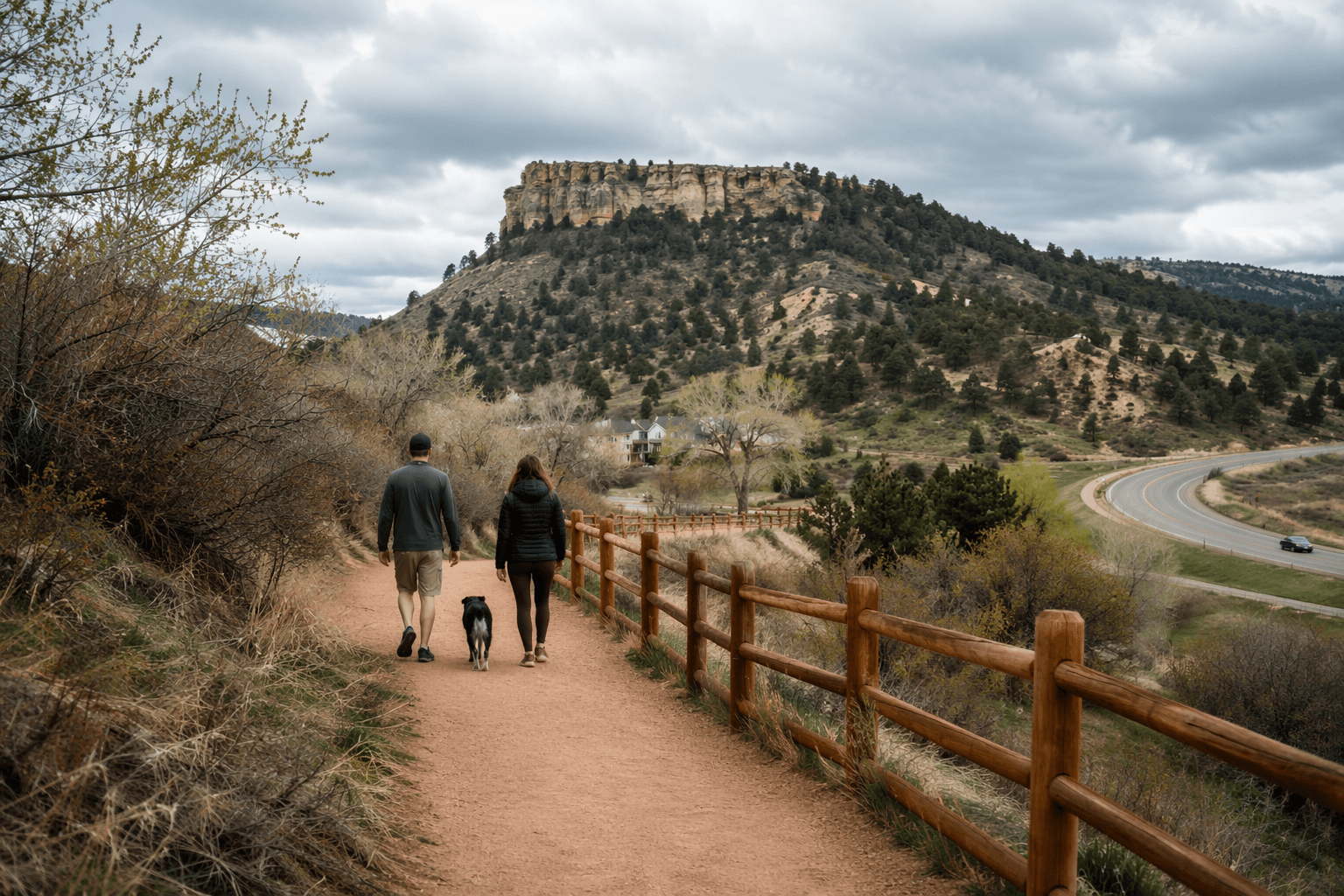
Douglas County residents rank parks, trails and outdoor recreation among the county’s top quality-of-life features; here are five community anchors and what to look for when you walk, run or play.
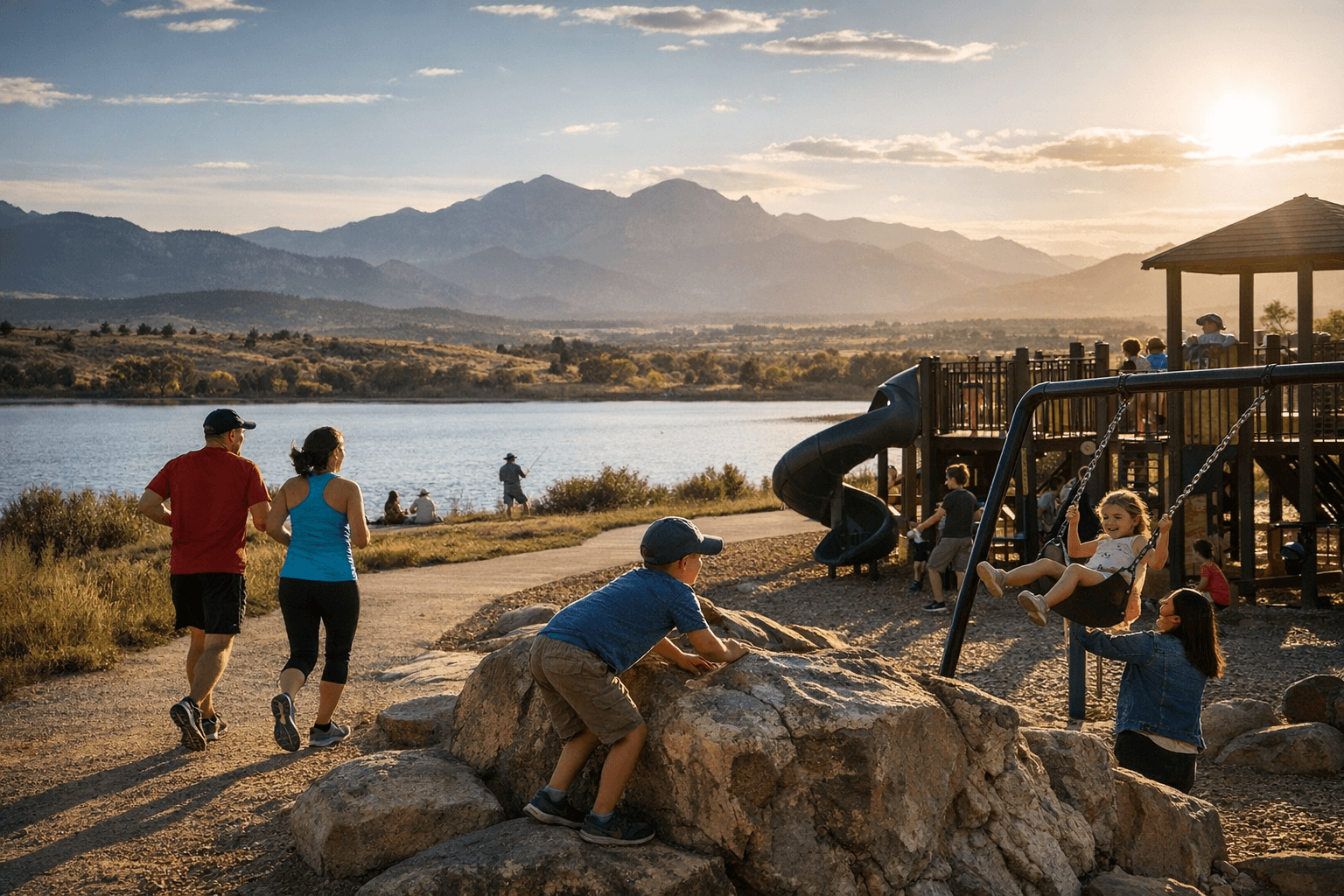
Douglas County residents consistently cite parks, trails and outdoor recreation as among the county’s top quality‑of‑life features." Use that as the baseline: across Castle Rock, Highlands Ranch, Parker, Lone Tree and Castle Pines regional parks and linked trails form the backbone of everyday exercise, family play and neighborhood life.
1. Castle Rock regional parks and trails
Castle Rock is one of five named communities where regional parks and linked trails serve daily walkers and runners; the original report lists Castle Rock alongside Highlands Ranch, Parker, Lone Tree and Castle Pines as places served by that network. Look for contiguous trail segments that connect neighborhood greenways to larger regional parks, these are the kinds of links the report highlights as providing the county’s best outdoor access. For family visits, evaluate playgrounds by the tangible features flagged in design guidance: "Hanging bars with safety surfacing," "bridges, decks," and natural elements such as "flat topped blouders, armour stone, flag stone, stepping stones, tall shrubs, trees." Those materials support mixed-age use and low-impact trail design in the Castle Rock foothills.
2. Highlands Ranch community parks and multiuse trails
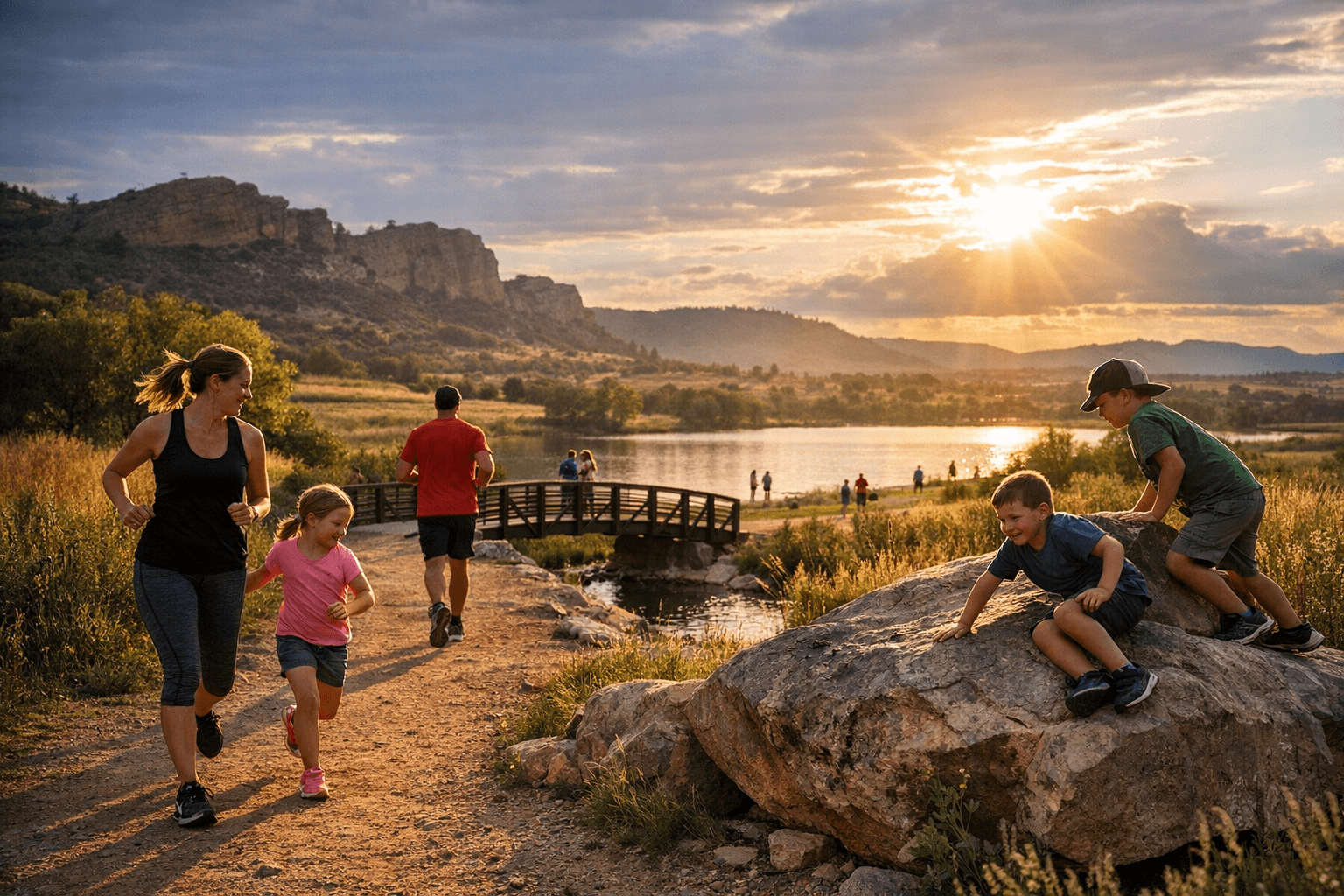
Highlands Ranch appears explicitly in the county scope and is known locally for long, paved and unpaved routes that attract runners and parents with strollers; the county snapshot groups Highlands Ranch with the other four communities as part of the essential network. When choosing a park here, prioritize sites that incorporate loose parts and manipulable play items, Evergreen guidance advises to "Display loose parts around the play- learning space to encourage creative play." That kind of flexible equipment (buckets, pulleys, rope) makes playgrounds more engaging and supports children’s "walk and run together" and free-play behaviors cited in the play-development notes.
3. Parker’s regional greenways and neighborhood play-spaces
Parker is listed among the five communities linked to the county’s top parks and trails; local greenways often double as safe running loops and family walking corridors. For playground assessments, the Evergreen fragments stress developmental outcomes: "Children need to: socialize talk laugh share hang-out together engage in free play walk and run together play games negotiate and problem-solve together." Parks in Parker that offer varied textures, flagstone seating, stepping stones, armour stone edges, and equipment like hanging bars and small bridges will better support those social and problem-solving behaviors.
4. Lone Tree parks, open space and connector trails
Lone Tree is another named community where residents rely on parks and trails for daily recreation. In both trail planning and playground upgrades, maintenance and safety are central: the guidance is explicit, "Regularly assess the materials for sharp edges or hazards, and replenish materi- als as they get used up or worn out." For runners and parents in Lone Tree, that means prioritizing trails with clearly maintained surfaces and playgrounds with up-to-date safety surfacing around features such as hanging bars and decks; it also matters for long-term operating budgets and county maintenance planning.
5. Castle Pines: regional park access and play-area design
Castle Pines completes the list of five places highlighted in the county excerpt; residents there benefit from a mix of regional parks and neighborhood trails that together create walkable loops and play opportunities. Design philosophy in the Evergreen notes offers a broader lens: "It is essential to design play spaces that encourage encounters, communication, and relationships and that reveal an underlying order and beauty in the design and organization of all the features and materials within it (Cadwell). Landscapes That Inform." For Castle Pines, that means seeking parks where natural materials (tall shrubs, trees, armour stone) and loose parts are arranged to foster play, cultural identity and moral development, "Children learn to use moral reasoning to develop values during play" and "Children develop strong cultural identity and a sense of self and experience the consequences of their decisions through play."
- Look for continuity: the original county excerpt frames these sites as "regional parks and linked trails", seamless connections between neighborhoods and larger open spaces matter for daily walking and running.
- Inspect equipment and materials: the Evergreen list names specific elements, "Hanging bars with safety surfacing," "Bridges, decks," "Flat topped blouders, armour stone, flag stone, stepping stones", which indicate investments in durable, varied play‑landscapes.
- Prioritize maintained sites: follow the guidance to "Provide maintenance staff with gates for equipment access" and to "Regularly assess the materials for sharp edges or hazards, and replenish materi- als as they get used up or worn out." That reduces injury risk and extends usable life, and it matters for municipal budgets and capital-planning cycles.
A few practical cues to choose a park or trail across the five communities
Why these five community anchors matter economically and for planning The county-level claim that parks and trails are a top quality-of-life feature has policy and market consequences: preserving and improving linked trails and high-quality play spaces supports everyday physical activity, bolsters neighborhood desirability, and factors into long-term planning for parks operations and capital investment. The Evergreen fragments reference "5 ingredients in your recipe for high-impact play–learning environments," suggesting there is an evidence-based checklist planners can use when allocating resources; even the fragmentary citation "Landscape and Child Development 27" points to a literature base tying landscape design to child outcomes. For local leaders in Douglas County, committing funds to maintain surfacing, replenish loose parts, and design with ecological and social encounters in mind is a way to protect both resident well-being and asset value.
Final point Across Castle Rock, Highlands Ranch, Parker, Lone Tree and Castle Pines, the practical hallmarks of an essential park or trail are clear: connected trails, varied natural and built materials, loose parts for creative play, and a maintenance regime that keeps equipment safe and inviting. Taken together, those investments are what the county’s own reporting and play-space design guidance identify as central to sustaining the parks and trails that residents consistently cite as among Douglas County’s top quality-of-life features.
This article was produced by Prism’s automated news system from verified source data, official records, and press releases, then run through automated quality and moderation checks before publishing. The system is built and supervised by the people who set the standards it runs under. Read our full AI policy.
Did this article answer your question?