Highlands Ranch Mansion reveals Douglas County's ranching roots
Highlands Ranch Mansion turns a once-exclusive estate into free public ground, linking a 1981 suburb to homestead, ranch and family history.
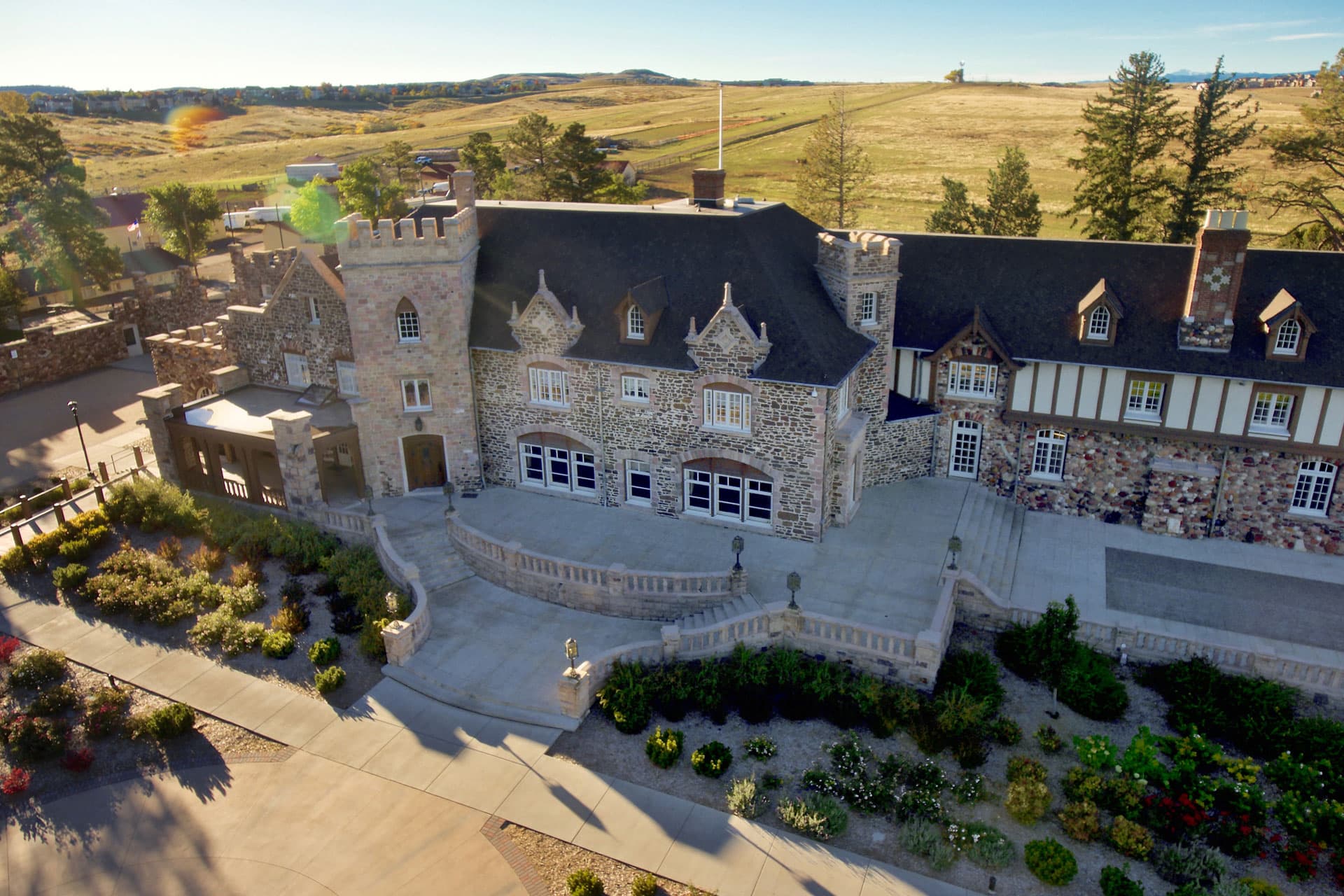
Highlands Ranch Mansion sits at the center of a larger civic shift: a property that once belonged to powerful private owners now opens its grounds and history to everyone at no cost. In a community founded in 1981, that matters because the mansion makes the area’s ranching past visible instead of buried under new development. The result is one of Douglas County’s clearest examples of how a modern suburb can inherit, preserve and publicly share an older Colorado landscape.
From homestead to master-planned suburb
Long before Highlands Ranch became a planned community, the land carried the name of Rufus “Potato” Clark, who filed a 160-acre homestead in 1859 at what is now Highlands Ranch Golf Club. After an abundant first potato harvest, Clark became known as Colorado’s Potato King, a label that still captures how quickly this ground moved from frontier experiment to productive farm country.
That rural beginning eventually gave way to the modern Highlands Ranch community, which the Highlands Ranch Metro District says was founded in 1981. The mansion and ranch now stand as a visible reminder that the suburb did not begin as empty tract land. It grew around a site that had already been shaped by homesteading, farming, private estates and changing ideas about who gets access to land.
A mansion built in layers, not all at once
The Highlands Ranch Mansion began as a small stone farmhouse in 1891, then expanded into the large estate visitors see today. Its first owner was Samuel Allen Long, a Pittsburgh native who became one of the first petroleum refiners in 1861, later moved to Colorado in 1880, and also served as a director of the Baltimore & Ohio Railroad. During a renovation more than a century later, crews found the word Rotherwood etched in stone above the original door, a direct link back to Long and the property’s earliest identity.
For nearly a century, the mansion served as a residence for some of Colorado’s notable families: Long, Springer, Hughes, Phillips, Kistler and Phipps. That succession matters because the building is not a frozen artifact from one era. It is a record of changing fortunes, changing tastes and changing uses, from a farmstead to a showpiece estate to a public historic site.
Rooms that still tell the story
John Springer acquired the property in 1897 after moving from Texas to Colorado with his wife, Eliza, and daughter, Annie Clifton. Springer added the turret that gave the building its castle-like profile, turning a working property into something far more dramatic. The room-by-room history shows that the living room and dining room continued to evolve through 1910 and again during Frank Kistler’s 1929-1930 renovation.
The details inside matter as much as the exterior silhouette. The dining room was likely expanded by John Springer or Col. William Hughes, and the living room’s original fireplace was replaced with an ornate sandstone centerpiece that included the building floor plan, the date of construction and the ranch brand chiseled into the mantel. Those kinds of details turn the mansion into a layered document of Douglas County’s business, family and agricultural history.
The hunt club era and the social life of the ranch
The mansion’s history also reaches into a less expected corner of Colorado heritage. The Arapahoe Hunt Club, described as one of the oldest active hunt clubs in the United States, was headquartered on the property for part of the 20th century. The club began in 1907, went defunct in 1927 and was revived in 1929 by Lawrence Phipps, Jr., who secured permission from Frank Kistler to use the Diamond K Ranch as headquarters.
That chapter adds a social and sporting layer to the site’s ranch legacy. It shows that the property was not only a home and a farm, but also a gathering place for an elite outdoor culture that depended on open land, horses and access to a landscape very different from the suburban neighborhoods that surround it now.
What is open to the public today
The mansion’s public role is what makes it especially important for families, newcomers and longtime residents who want to see how Highlands Ranch came to be. The Highlands Ranch Historic Park is planned as a 250-acre park, but the current park is still under 50 acres and includes about 1.4 miles of soft-surface trails. The park and front lawn are open daily from 5 a.m. to 8 p.m. unless closed for a private event.
Guided and self-guided historic tours are free, which is unusual for a property that once symbolized privilege and exclusivity. Reservations are recommended for all tours and required for groups of 8 or more people, and guided tours typically last about 60 to 90 minutes. For school groups, multigenerational families and new residents trying to understand the area’s roots, that free access turns history into something immediate rather than distant.
What to see on the grounds
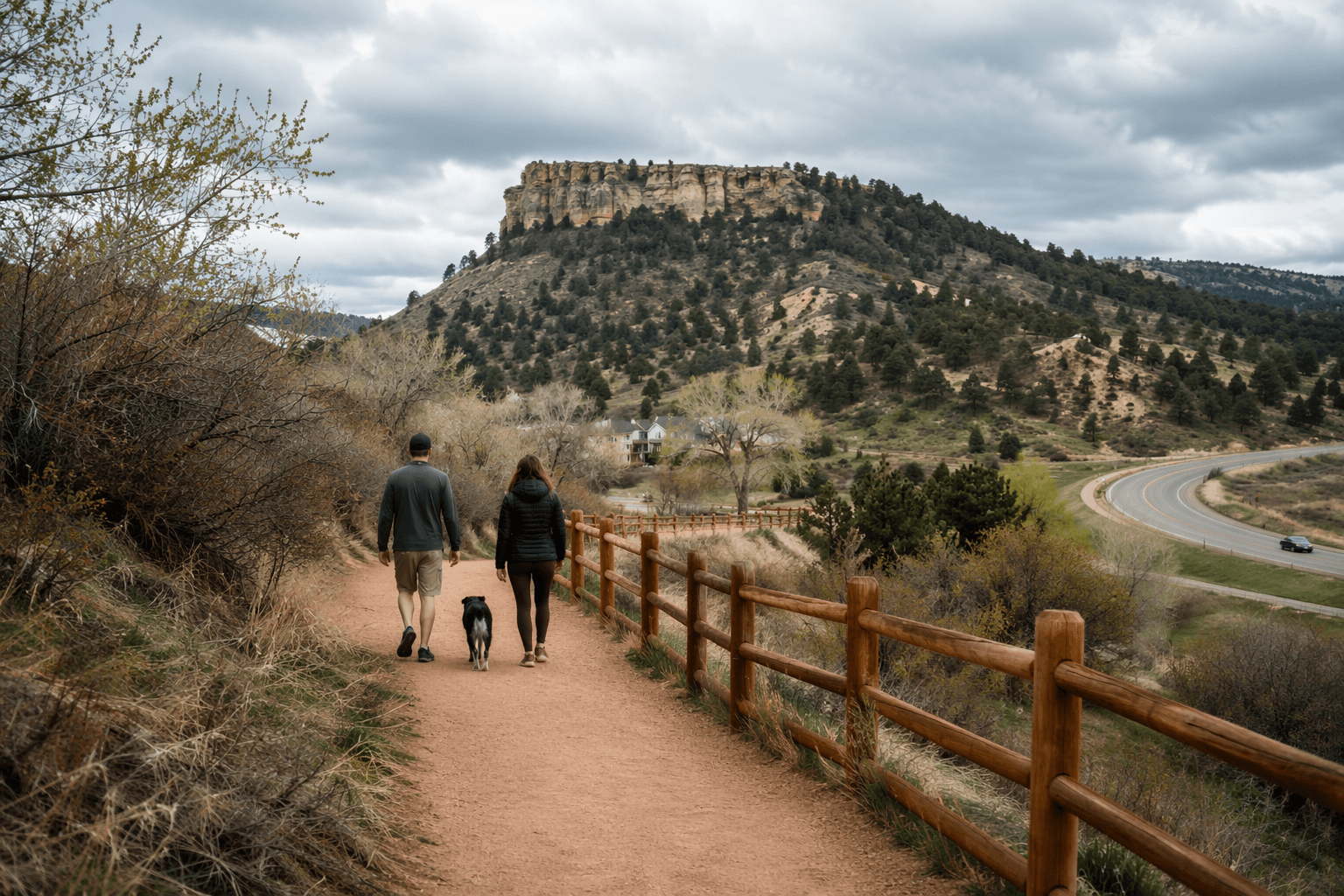
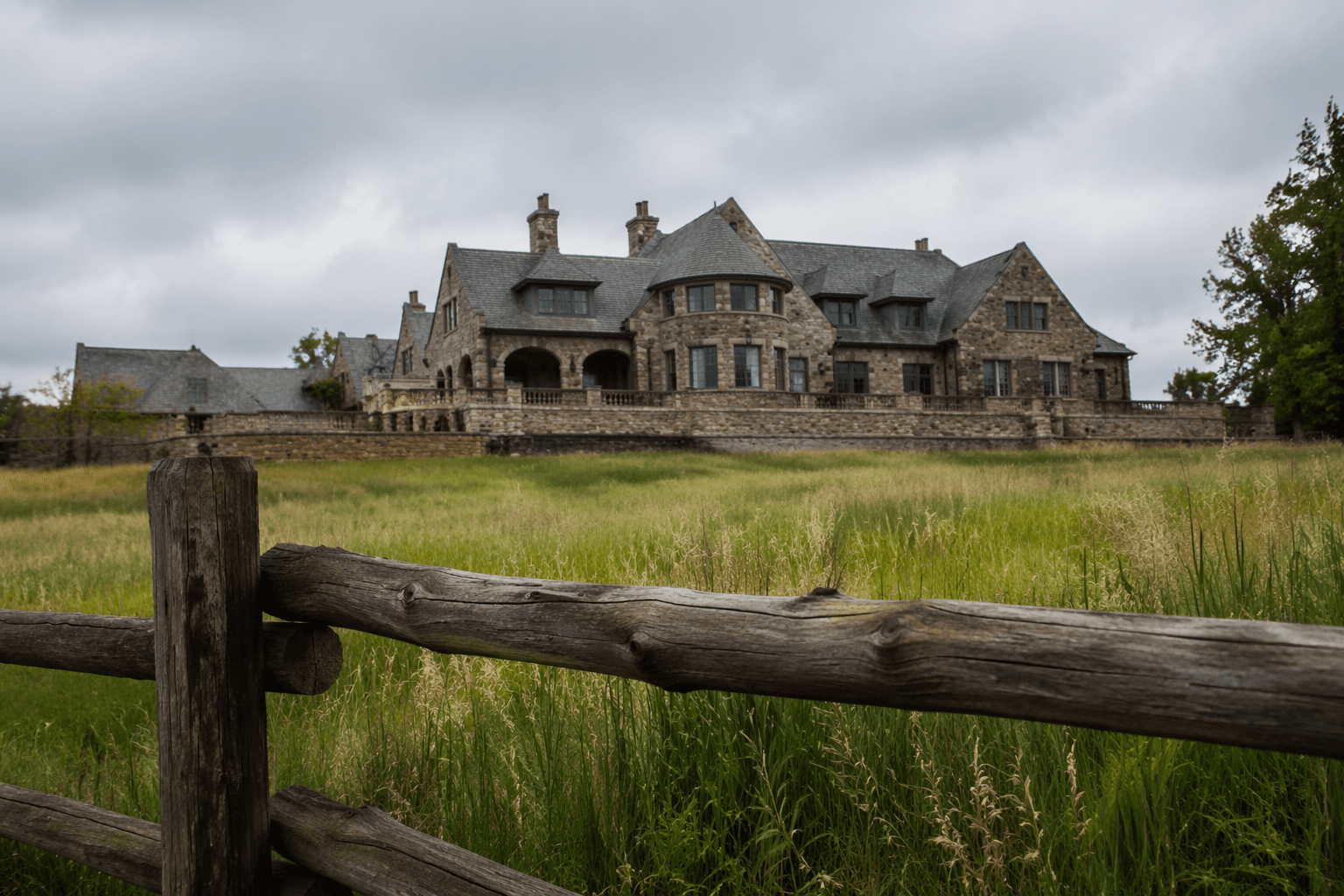
The historic park planning page says the property will be developed in three phases, and the site already includes pastureland, 13 existing outbuildings and an iconic windmill south of the mansion. Those pieces give the grounds a working-ranch feel even as the neighborhood around them has filled in with homes, roads and recreation space. The contrast is part of the experience: a free public landmark sitting in the middle of a modern master-planned suburb.
That contrast is also what makes the mansion so revealing about Highlands Ranch today. The site shows a community willing to preserve the visible marks of ranching and homesteading, not just name streets after them. In a county where development often erases what came before, the mansion keeps the old landscape present, and it does so in a way that any resident can enter without paying admission.
This article was produced by Prism’s automated news system from verified source data, official records, and press releases, then run through automated quality and moderation checks before publishing. The system is built and supervised by the people who set the standards it runs under. Read our full AI policy.
Did this article answer your question?