Highlands Ranch Water Warns of Severe Drought, Urges Conservation This Spring
Severe drought now covers Highlands Ranch Water's service area, and the district is urging customers to hold off on spring sprinkler start-ups until mid-May.

Highlands Ranch homeowners heading outside to flip on their sprinkler systems this spring got a clear message from their water utility: wait. Highlands Ranch Water warned on April 2 that U.S. Drought Monitor maps now classify the district's service area as being under severe drought, and the utility pressed customers to delay that first irrigation run until mid-May if at all possible.
The advisory arrived just as Douglas County enters its peak irrigation ramp-up period, fueled by a winter that delivered below-normal snowpack across the Colorado mountains. Reduced mountain runoff limits the surface water utilities count on to meet summer demand, and Highlands Ranch Water, which serves much of Highlands Ranch and portions of Douglas County, signaled it is watching the gap between supply and seasonal need closely.
The district stopped short of imposing drought-specific penalty rates, but it reminded customers that its existing tiered rate structure already penalizes high-volume use. Homeowners who run sprinklers aggressively through May and June can climb into higher pricing tiers, making conservation a financial calculation alongside an environmental one.
The utility's specific guidance was direct: delay the spring sprinkler activation until mid-May where feasible, fix leaks before they compound daily losses, and reduce outdoor irrigation to dampen the summer peak load that most strains the system. The district also pointed customers toward rebate and conservation programs aimed at landscaping water use, including incentives for efficient appliances and drought-tolerant yard conversions.
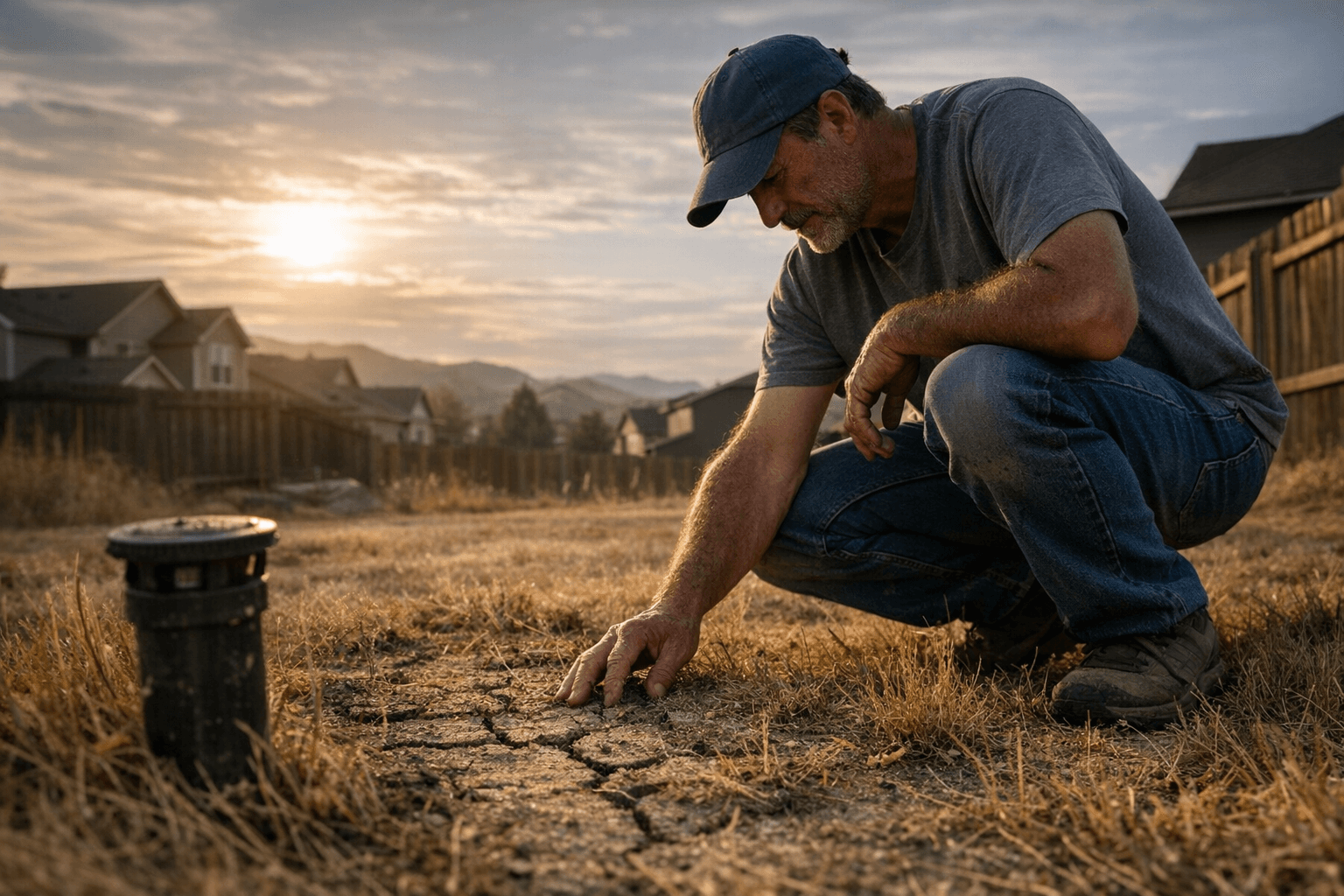
The Highlands Ranch advisory fits a broader regional picture. Low snowpack and early warm temperatures this year have pushed several metro-area utilities and municipal governments to adopt Stage 1 or equivalent outdoor watering restrictions. When mountain snowmelt runs thin, surface-water availability tightens by midsummer, often forcing providers to lean harder on stored supplies or impose formal limits that reach residential lawns, park irrigation, and construction sites alike.
Highlands Ranch Water said it will continue tracking U.S. Drought Monitor updates and regional hydrology and will issue further guidance if conditions deteriorate. That language positions the current advisory as a first step: mandatory restrictions remain on the table if spring precipitation fails to materialize or reservoir levels drop below critical thresholds.
Waiting a few extra weeks to start the irrigation system, running fewer cycles per week, and repairing any drip lines or sprinkler heads that degraded over winter could meaningfully cut both water bills and the cumulative strain on district supply. The rebate programs the district flagged cover upgrades that pay dividends whether this drought season proves short or stretches deep into summer.
This article was produced by Prism’s automated news system from verified source data, official records, and press releases, then run through automated quality and moderation checks before publishing. The system is built and supervised by the people who set the standards it runs under. Read our full AI policy.
Did this article answer your question?