Major Douglas County exhibit opens, showcases mammoth remains and local artifacts
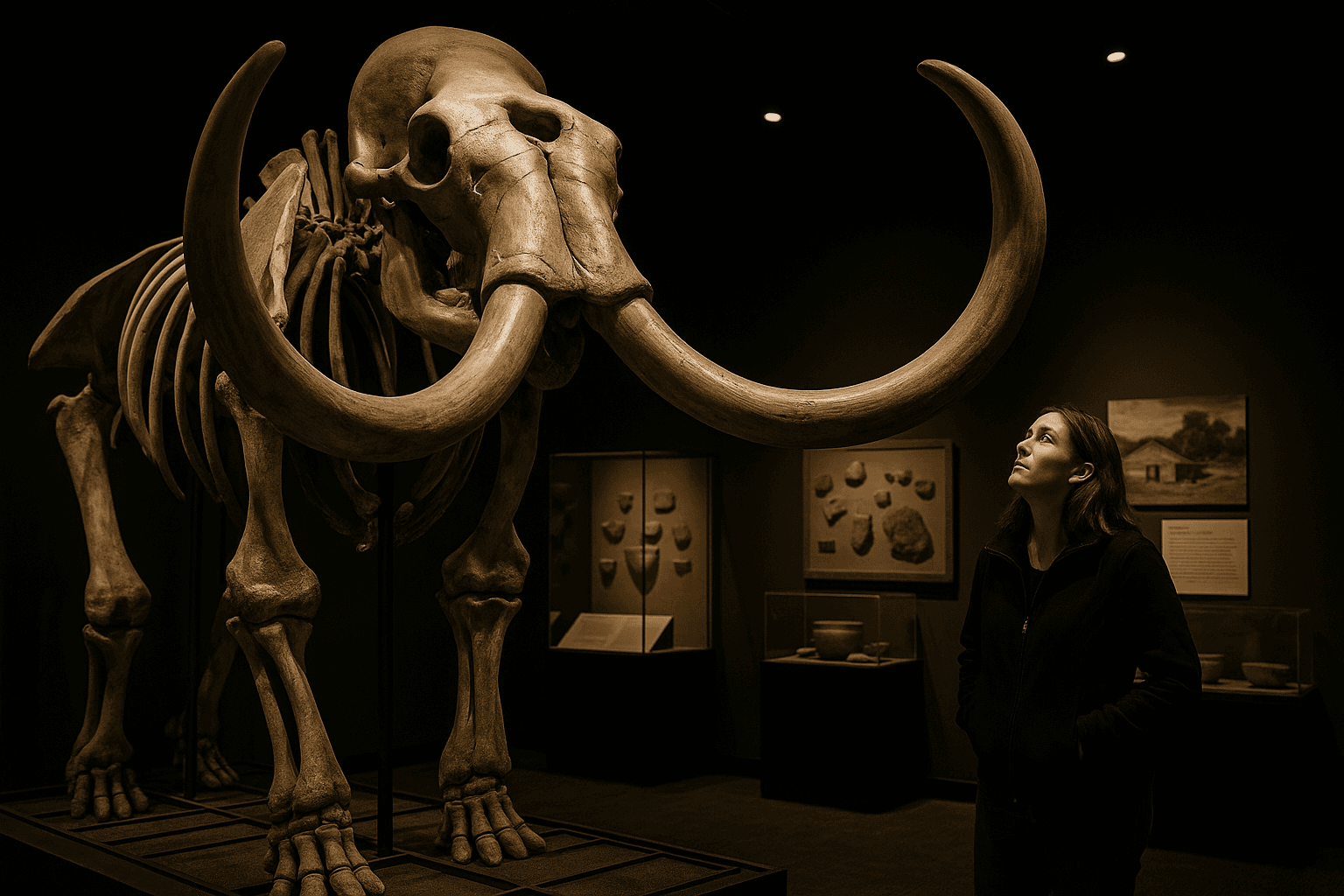
Douglas County and the Parker Water and Sanitation District opened a major new exhibit titled "Thriving Through Time: Adaptation on the Palmer Divide" in late November, drawing attention to the region's deep history and local stewardship needs. The free exhibit at PWSD headquarters features mammoth remains, early hunting tools, agricultural equipment, and gold rush era artifacts, and it aims to boost local engagement with heritage and archaeological preservation.
County officials and cultural partners opened a large public exhibit focused on the Palmer Divide in late November, bringing together archaeological finds and historical objects in what organizers described as the largest public display of Douglas County artifacts to date. The exhibit opened on November 17, 2025, and a public grand opening took place on Friday, November 21 at Parker Water and Sanitation District headquarters, 13939 Ancestry Drive in Parker. Admission is free during PWSD business hours.
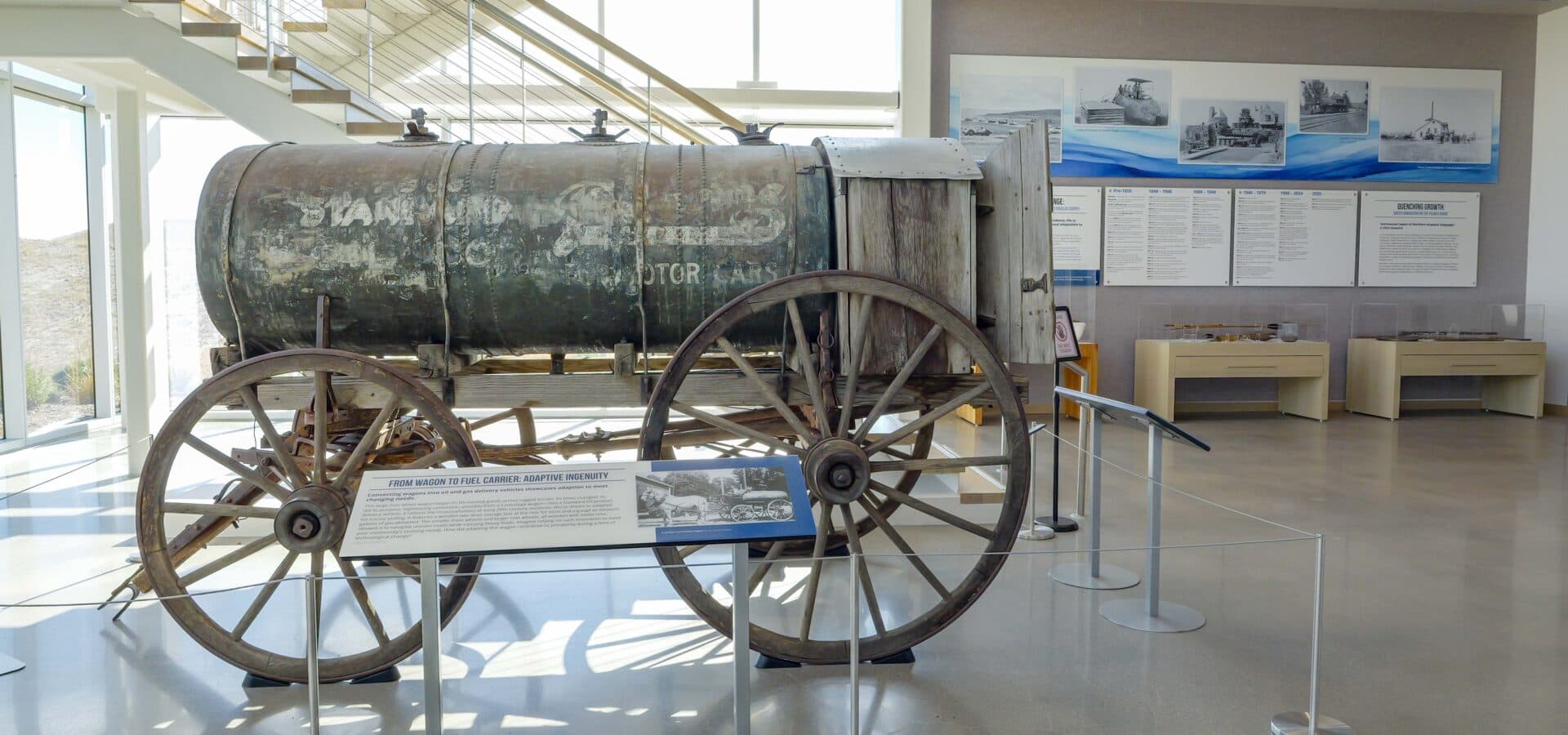
The installation assembles a range of materials that trace human and environmental adaptation on the Palmer Divide. Highlights include mammoth remains and early hunting tools that date to periods before European contact, an agricultural converted oil wagon, gold rush era artifacts, and historical reproductions. Partner organizations for the project include the Douglas County History Repository, Parker Water and Sanitation District, Douglas County Libraries, and tribal and community stakeholders. The collaboration underscores cross sector cooperation between a public utility, libraries, repositories, and tribal partners to manage and interpret local heritage.
For Douglas County residents the exhibit offers both immediate cultural value and practical implications. As a free public resource it can increase weekday foot traffic to Parker and surrounding businesses, supporting small scale spending on food and services and strengthening local cultural tourism options. From a policy perspective the project highlights how municipal agencies can play a role in community education and site stewardship, and it reinforces calls for stronger protections for archaeological sites amid ongoing growth and development pressures on the Palmer Divide.
Stewardship was emphasized by organizers, noting the need to protect archaeological locations from disturbance as land use and development continue in the county. The exhibit provides educational context that can inform land management decisions and public planning, and it creates opportunities for schools and local groups to engage with primary artifacts without leaving the county.
The display functions as a bridge between past and present, inviting residents to consider long term trends in settlement, resource use, and conservation. The exhibit remains open during PWSD business hours, providing a regular, no cost way for families, students, and property owners to deepen their understanding of Douglas County history and to support ongoing preservation efforts.
This article was produced by Prism’s automated news system from verified source data, official records, and press releases, then run through automated quality and moderation checks before publishing. The system is built and supervised by the people who set the standards it runs under. Read our full AI policy.
Did this article answer your question?