Parker marks 45 years, recalls narrow 1981 vote to become town
Parker turned 45 by remembering the 48-38 vote that made it a town. What began as Rowley Downs and a one-square-mile footprint now holds 72,147 residents.
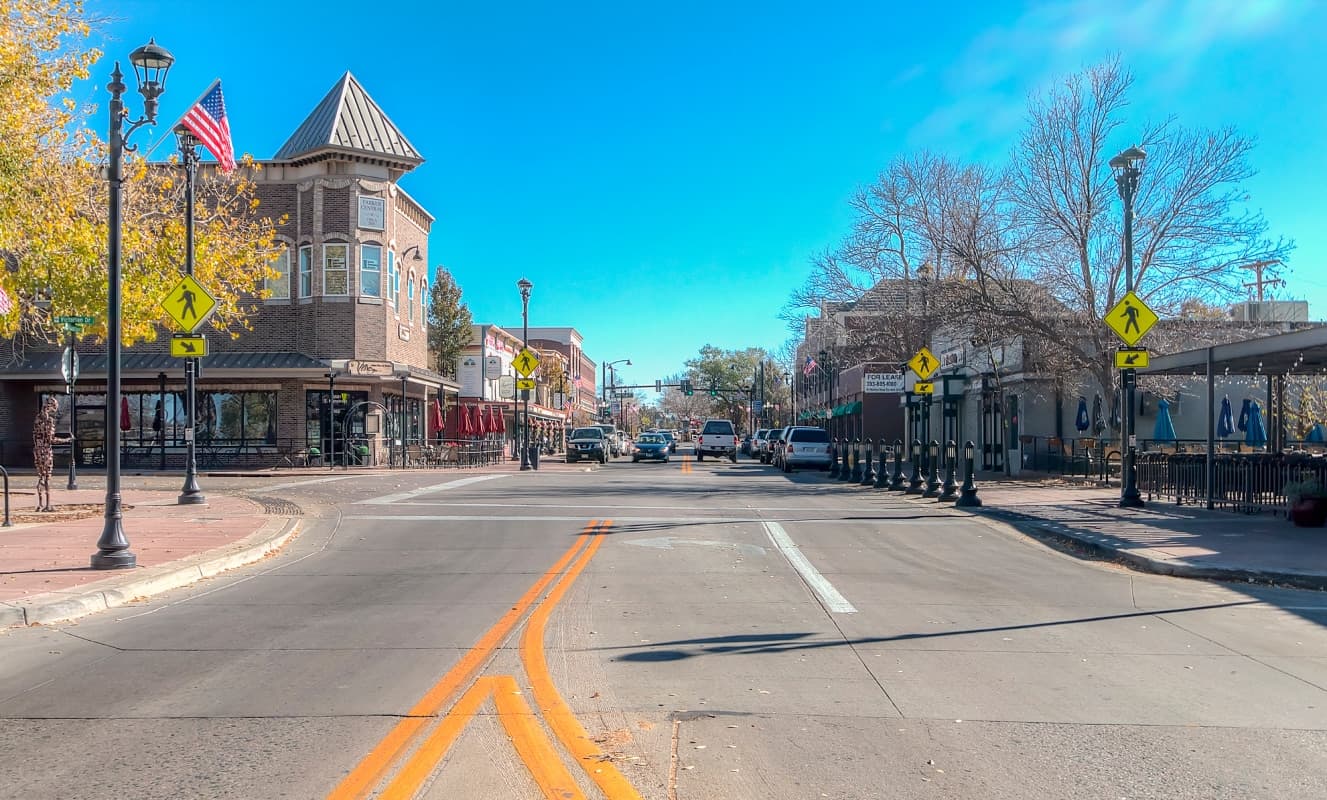
Parker’s 45th birthday lands with a built-in reminder of how quickly a rural edge of Douglas County became one of its defining municipalities. The town now counts 72,147 residents, but its incorporation began with fewer than 300 people living in a one-square-mile area centered on Rowley Downs, downtown Parker, Parker Square and Parker Plaza.
What pushed the community toward townhood was not ambition so much as necessity. In the 1970s, the area around today’s downtown still lacked the basics that make a place feel settled: an unstable water system, poor fire protection, limited law enforcement, unpaved roads and little phone service. Some residents depended on private security and citizen patrols. That patchwork of fixes helped persuade the Incorporation Group, made up of longtime residents and newer arrivals, that Parker needed formal government if it was going to secure reliable services and local control.
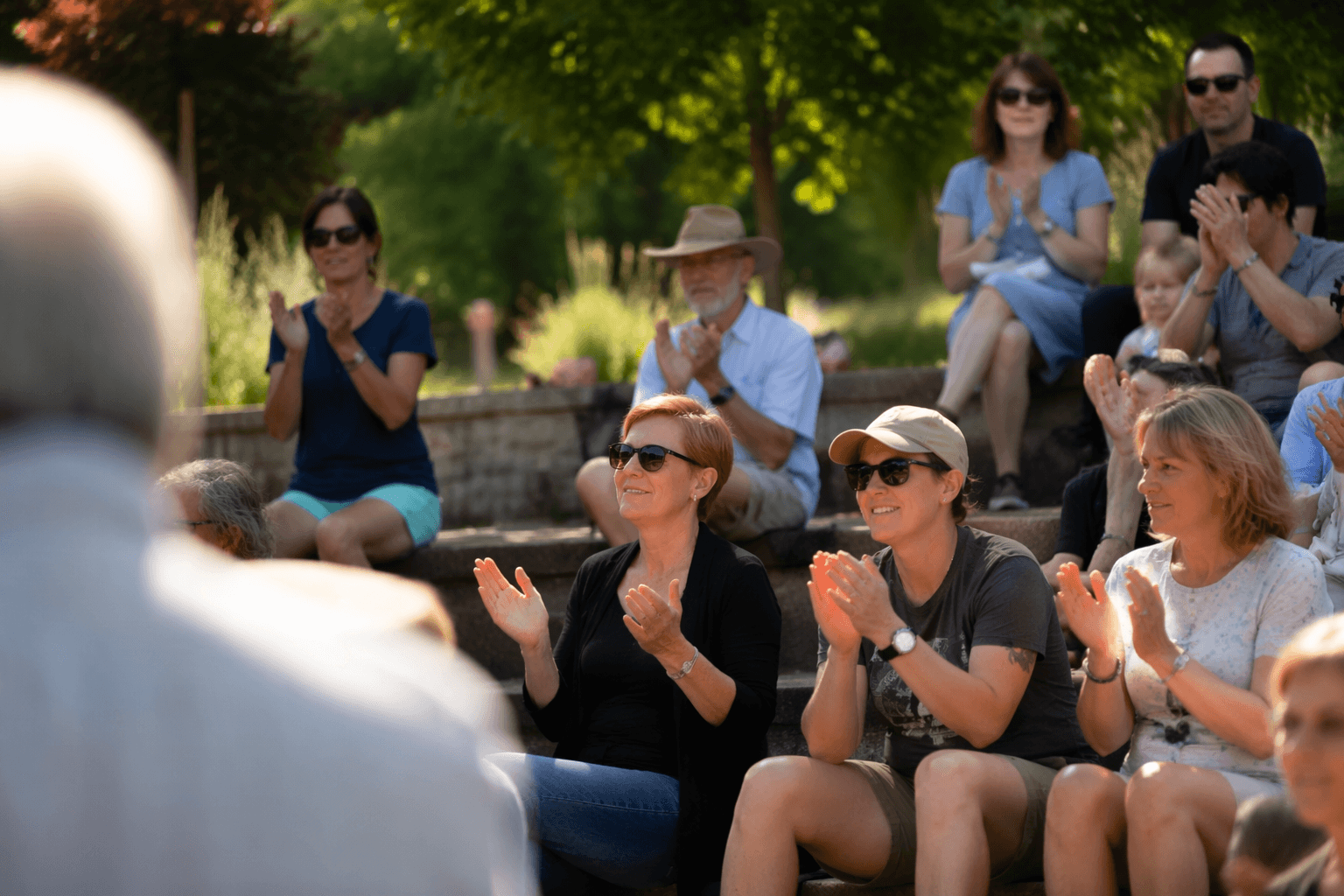
The vote came on Feb. 24, 1981, and it was close. Voters approved incorporation by 48 to 38, opening the door to a second election on May 5, 1981. In that contest, residents chose Dean Salisbury as Parker’s first mayor and elected six trustees, now called councilmembers. Soon after, the new town adopted zoning and subdivision ordinances, a sign that Parker’s leaders were moving fast to put rules in place for a place that was already changing.
That early move from settlement to municipality still shapes Parker’s identity. The town now covers about 22.4 square miles, far beyond the compact incorporated footprint that started it all. Its 2026 birthday post linked the anniversary to Colorado Historic Preservation Month and to the coming United States 250th and Colorado 150th milestone years, placing Parker’s local story inside a larger calendar of commemoration.
The town’s own history reaches even farther back, to the Pine Grove Post Office established around 1862 and the 20 Mile House way station that served travelers south of Denver. That frontier past helps explain why Parker has long sat at a crossroads. The 1981 vote transformed that crossroads into a town with a council, land-use rules and the civic structure needed for growth. What remains is the same question that has followed Parker’s expansion: how to hold onto the community spirit of a small settlement while living as a major Douglas County municipality.
This article was produced by Prism’s automated news system from verified source data, official records, and press releases, then run through automated quality and moderation checks before publishing. The system is built and supervised by the people who set the standards it runs under. Read our full AI policy.
Did this article answer your question?