Roxborough State Park preserves rare red-rock landscape near Denver
Roxborough’s red-rock cliffs are a short drive from Denver, but the park stays tightly limited to protect a rare, wildlife-rich landscape.

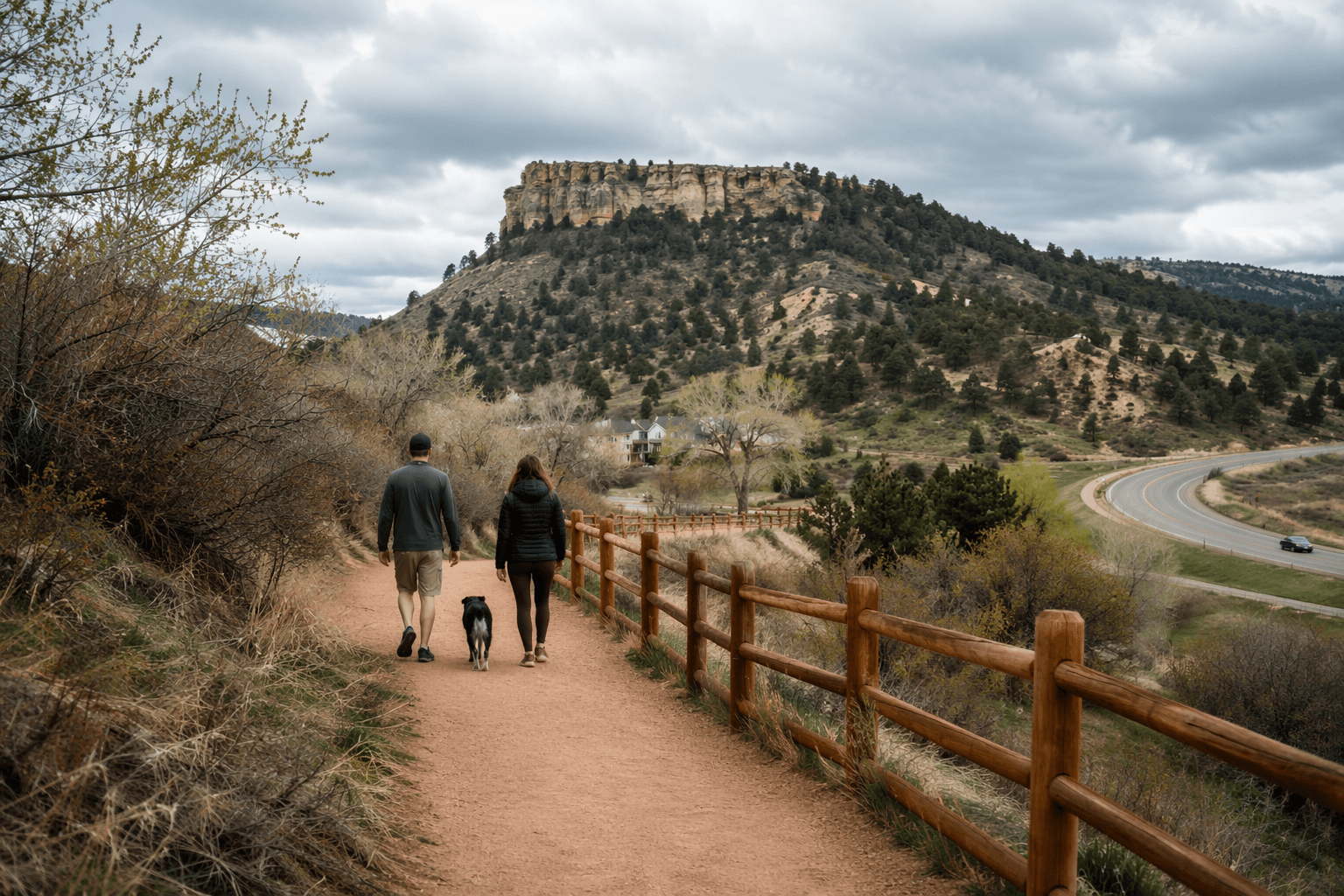
Just southwest of Denver, Roxborough State Park spreads across close to 4,000 acres of red rock formations, distinct plant communities and habitat that still supports wildlife from black bears to mule deer. The park has been kept far less built-up than the front range development around it.
What visitors can do there right now
Roxborough is open year round, including holidays, and its activity list is intentionally narrow compared with many Colorado parks. Its core experiences are hiking, trail running, cross-country skiing and bird watching, which fits a park designed around surface trails and overlooks rather than campgrounds, boat ramps or large amenity complexes. That makes the park especially useful for quick day trips, early starts and repeat visits when residents want a trail system that feels close to Denver but still visually remote.
Roxborough’s facilities are limited to the visitor center patio, the trail system and trail overlooks, a design choice meant to minimize impact on natural resources. In practice, that means the park’s appeal depends less on built features and more on the route you choose, the overlook you reach and the time of year you go.
How access is managed
Roxborough’s access model is more restrictive than many parkgoers expect. Park hours change with the seasons and are posted in the park and on CPW’s website, even though the park remains open all year. Organized groups, events and photographers must submit a Special Activity Agreement and get park manager approval before visiting, which helps keep the site from being overrun by large or commercial uses that can damage fragile areas.
That restraint also shapes where people gather. The Fountain Valley Overlook is a very short walk from the visitor center and gives a direct view of the park’s geologic formations, making it one of the most accessible places to understand why Roxborough stands apart. The visitor center patio serves as a hub for interpretation, which keeps the park’s educational footprint compact and reduces pressure to build more infrastructure into the landscape itself.
Wildlife, seasons and what to expect on the trail
Roxborough is habitat for black bears and mule deer, and the mix of plants, open space and protected terrain gives the site its ecological value as much as its scenic value. That means visitors need to think like they are entering active habitat, not a manicured urban park: stay alert on trails, keep distance from animals and treat the landscape as shared space rather than a backdrop.
Winter can shift the park from hiking and running into cross-country skiing, while the seasonal hours remind visitors that access is managed around daylight and park operations rather than constant open-door convenience.
Why the park matters beyond scenery
The visitor center includes a replicated atlatl, and the park’s archeological history spans thousands of years. The same terrain that frames a hike also preserves a record of human life, winter habitat and sheltered rock features that shaped survival long before modern Douglas County.
The park’s flowers, wildlife and rock formations also make it one of the clearest examples of conservation through restraint on the Front Range. Colorado Parks and Wildlife’s design standards are explicit: keep facilities limited, keep the trail system central and keep the overlook experience intact.
This article was produced by Prism’s automated news system from verified source data, official records, and press releases, then run through automated quality and moderation checks before publishing. The system is built and supervised by the people who set the standards it runs under. Read our full AI policy.
Did this article answer your question?