Sterling Ranch seeks pilot status for large-scale rainwater harvesting
Sterling Ranch’s bid to become Colorado’s rainwater-harvesting pilot site could shape how new neighborhoods capture runoff before the state’s pilot law expires July 1, 2026.

Sterling Ranch in Douglas County is trying to turn a neighborhood-scale water experiment into a statewide rulebook before Colorado’s rainwater-harvesting pilot statute expires on July 1, 2026. The community is the only applicant seeking pilot status for large-scale rainwater harvesting, a move that could help define whether captured runoff becomes a practical drought tool or remains a tightly limited test.
Colorado authorized up to 10 pilot programs for rainwater harvesting in new developments under House Bill 09-1129, later amended by House Bill 15-1016. State rules say approved pilots may collect, without replacement, a volume of runoff equal to the pre-development consumptive use of native vegetation. That legal boundary matters in Colorado, where precipitation is still folded into the prior-appropriation system and any large-scale capture has to be accounted for so downstream water rights are not injured.
Sterling Ranch and Dominion Water & Sanitation District have been studying rainfall, runoff, soil infiltration and vegetation use in Sterling Gulch for about 15 years. The project dates back to 2010, when Sterling Ranch became the site of Colorado’s first rainwater-harvesting pilot. State legislative staff later said that Sterling Ranch and Dominion were the only rainwater-harvesting project approved in Colorado, with state approval coming on July 21, 2010.
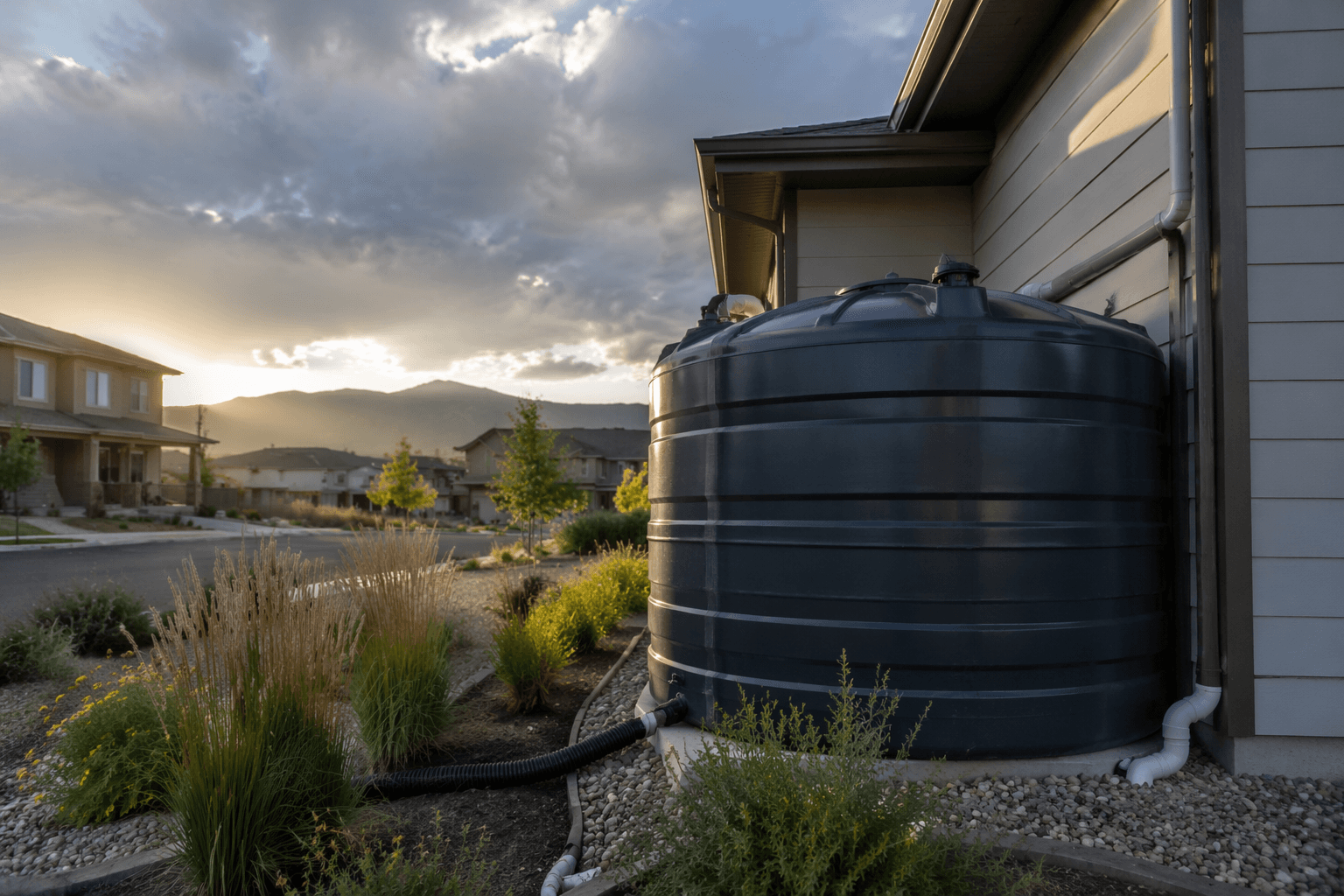
Britt Strother, director of planning for Dominion Water and Sanitation District, said the community is preparing to become home to what could be Colorado’s first rainwater-harvesting basin on a neighborhood-wide scale. Dominion’s earlier pitch was blunt: runoff from paved surfaces in developed areas should be usable without harming the natural water supplies that existed before development. Centennial Water and Sanitation District’s water rights administrator, Swithin Dick, said the district would likely not oppose the project if it showed no injury to Centennial’s rights and complied with existing law.
The numbers now hanging over the proposal show why the stakes are bigger than one subdivision. Andrea Cole has said the project could eventually provide about 300 acre-feet of renewable water supplies, enough to serve roughly 1,500 homes. Separate reporting said Dominion’s water-court filing seeks permission to harvest about 111 acre-feet a year for nonpotable uses such as irrigating parks, while grant and feasibility documents envision the full Sterling Ranch program could reach about 400 acre-feet a year at full buildout.
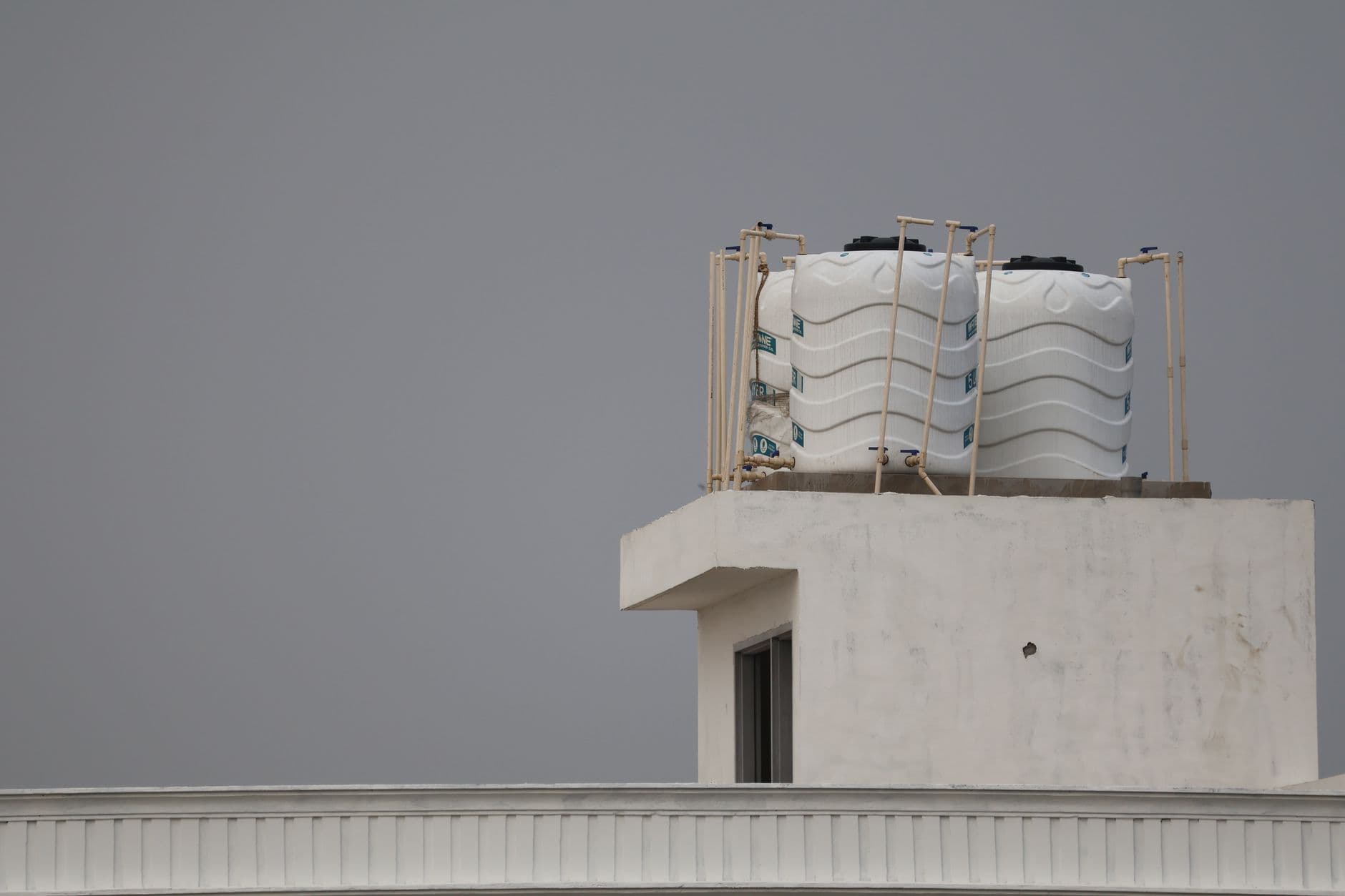
Colorado State University’s CSU Spur campus is also testing related questions at the Water Technology Acceleration Platform lab in the Hydro building, where professor Sybil Sharvelle studies how much roof runoff can be captured and used for irrigation without tapping potable water. Her team has had to build a water augmentation plan so the water is tracked properly and does not impair other water rights, underscoring the legal and accounting hurdles that still stand between a promising experiment and a scalable water supply tool in a fast-growing Douglas County.
This article was produced by Prism’s automated news system from verified source data, official records, and press releases, then run through automated quality and moderation checks before publishing. The system is built and supervised by the people who set the standards it runs under. Read our full AI policy.
Know something we missed? Have a correction or additional information?
Submit a Tip