Sterling Ranch uses grazing cows to help reduce wildfire risk
At Sterling Ranch, about 200 cows are part of the wildfire defense plan, helping keep fuels down in a community that could grow to 12,050 homes.
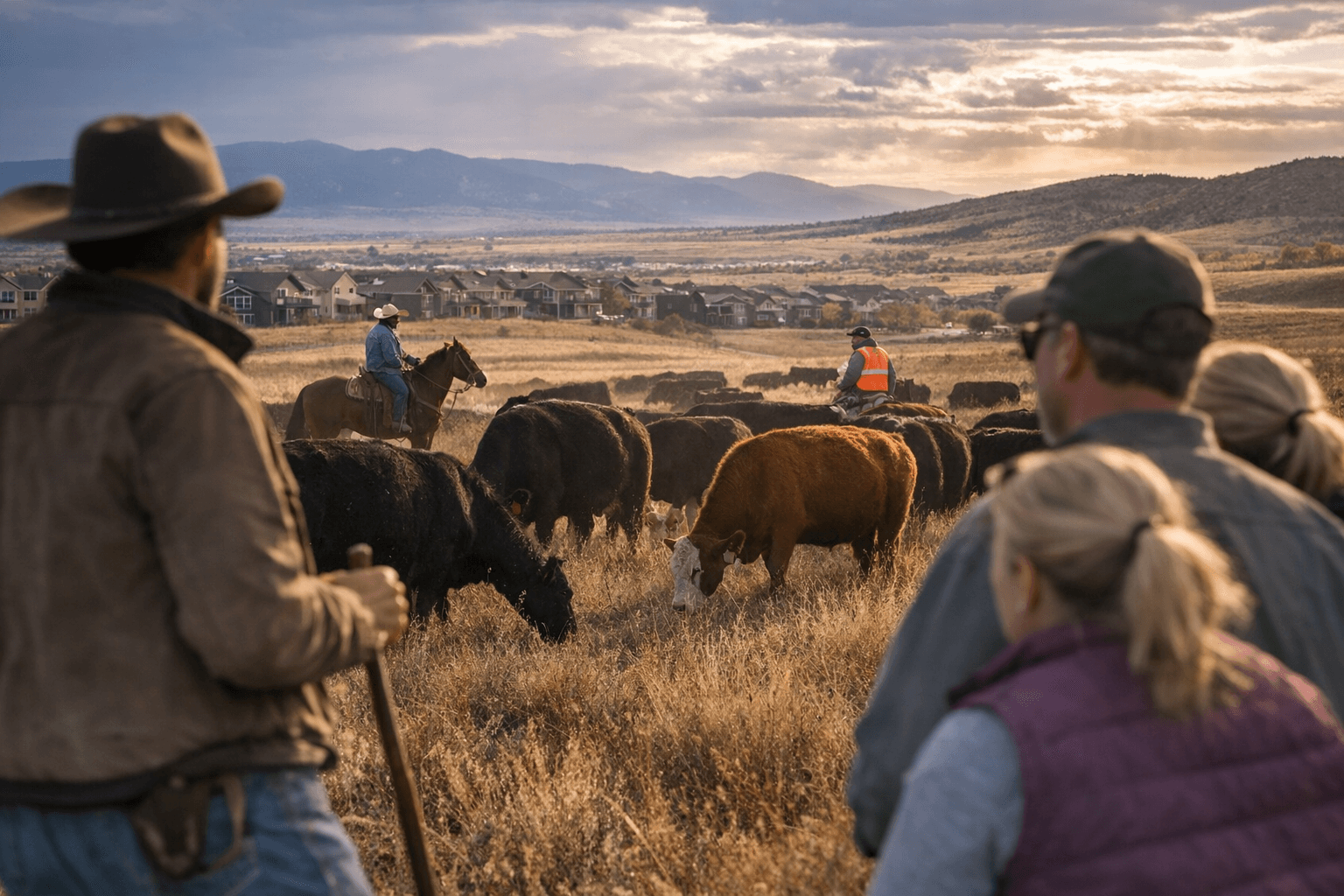
About 200 cattle are doing wildfire-prevention work at Sterling Ranch, where the community is using grazing, fire-resistant construction and county partnerships to lower the odds that dry grass becomes a neighborhood fire path.
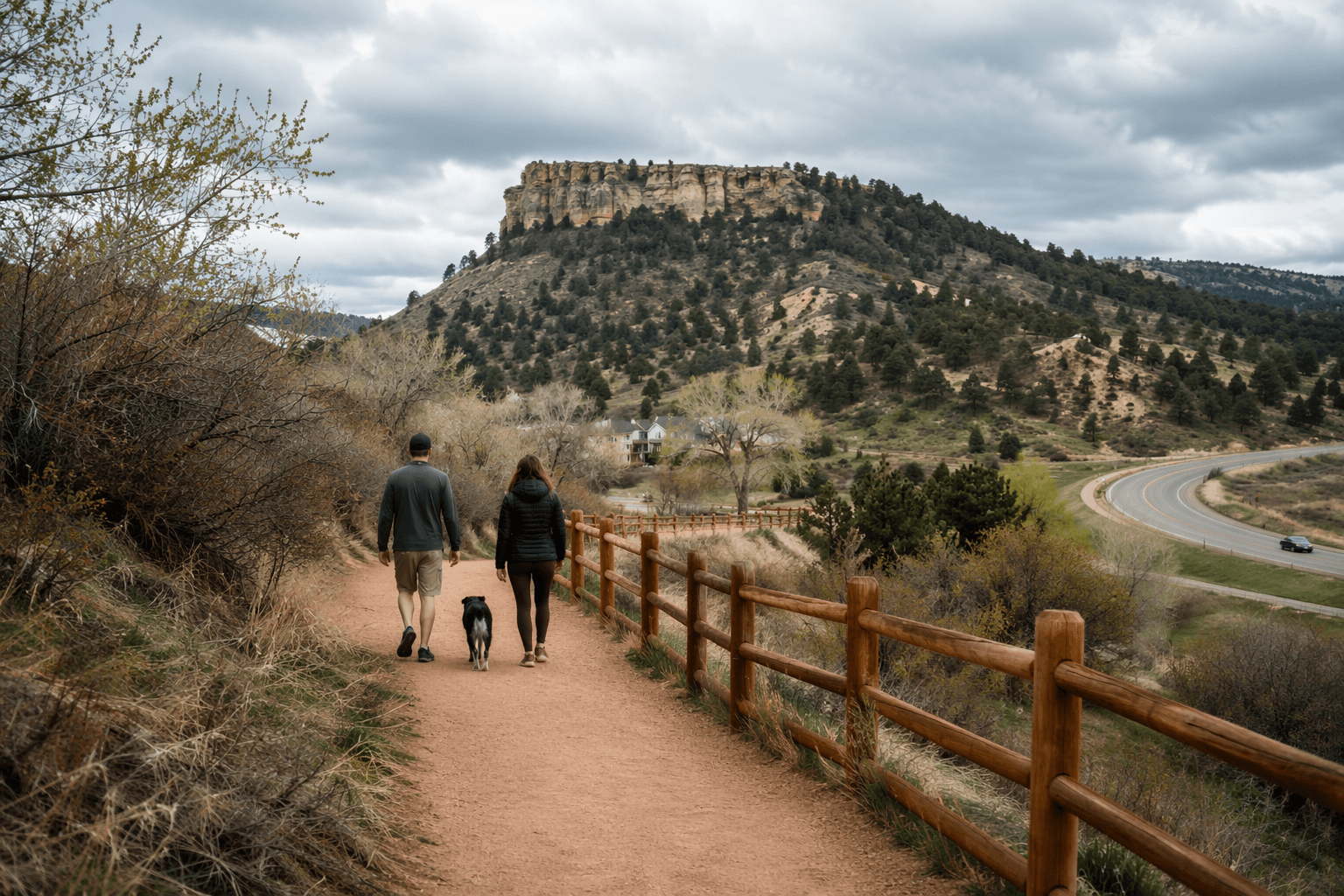
The approach stands out because it turns wildfire mitigation into an everyday land-management job. By keeping grass shorter and fuel loads down, the cattle help reduce the dry vegetation that can carry a fire toward homes during Red Flag conditions on the Front Range. Sterling Ranch says the strategy fits with its broader wildfire plan, which also includes fire-resistant materials for structures and exterior decks.
Gary Debus, the community affairs general manager, said Sterling Ranch works with Douglas County and Arapahoe County on mitigation and framed the effort as part of being a good neighbor. The community’s materials say it continues to hold an ISO Class 1, or PPC1, fire rating and is served by South Metro Fire Rescue. Station 40, near Titan Parkway and U.S. Highway 85, is within minutes of the community and has equipment designed for urban-interface fires.
The visible use of cattle is only one piece of the cost and policy equation. Douglas County says its wildfire mitigation cost-share program is designed to increase the pace and scale of private mitigation and build community capacity. In 2024, the program helped reduce wildfire fuels on more than 107 properties, including six HOA projects. In 2023, it helped reduce fuels on more than 700 acres across more than 80 properties. That makes the Sterling Ranch model more than a novelty. It is part of a countywide push to get more mitigation done on private land, where the wildfire risk often starts.
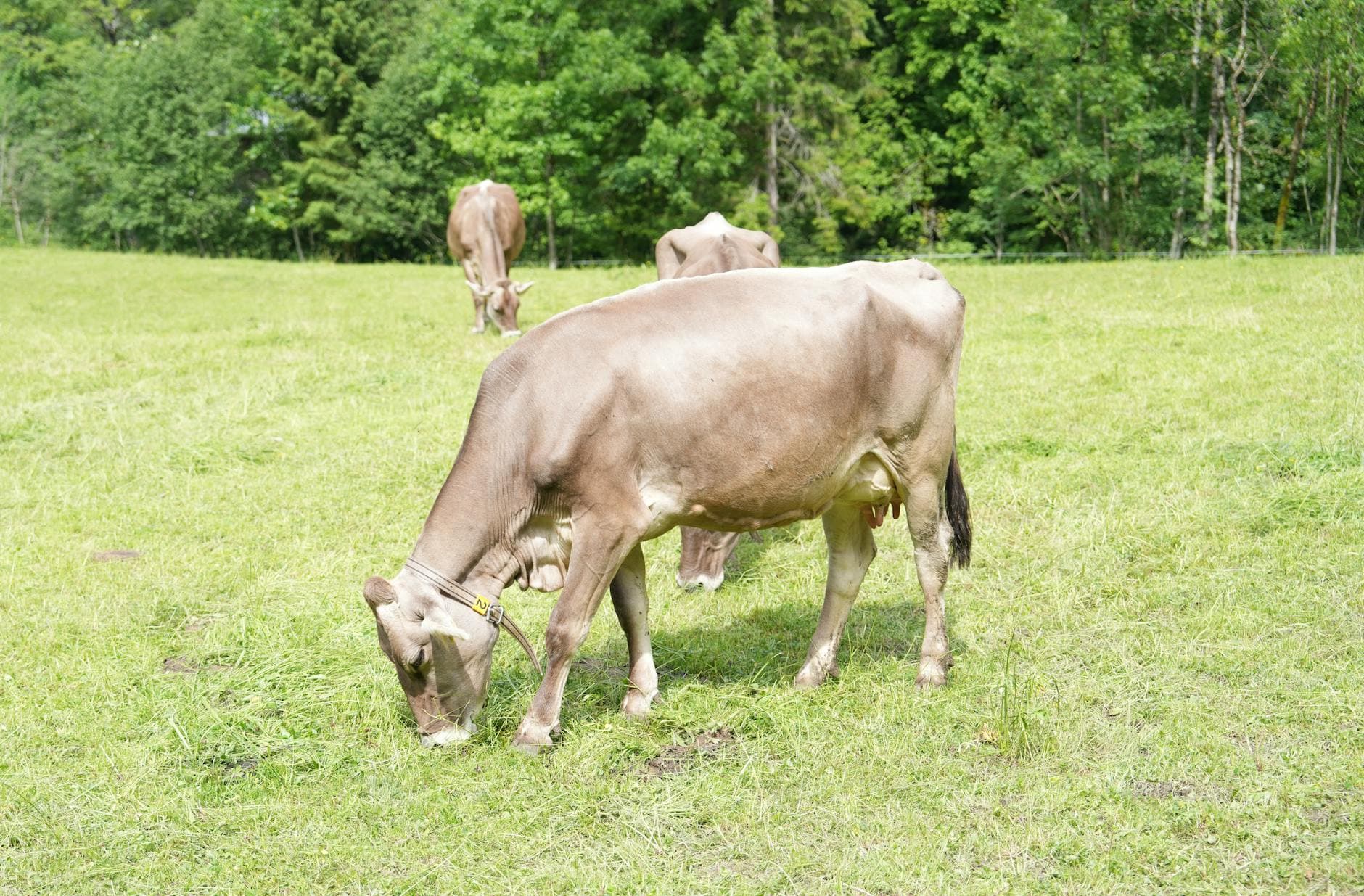
Sterling Ranch has also shared a fire mitigation letter and wildfire overlay map with homeowners’ insurance agents, underscoring how wildfire safety is now tied to underwriting, development standards and long-term operating costs. A 2022 Business Wire release described the annual cattle drive as rotational grazing that serves as fire mitigation as the herd moves to winter pastures.
The scale matters. Sterling Ranch sits on 3,400 acres and had about 2,400 homes in 2025. With roughly 200 head of cattle already serving a mitigation role and more than 12,050 homes expected over the next two decades, the development is becoming a test case for how fast-growing Douglas County neighborhoods can build wildfire resilience before the next wind-driven fire season arrives.
This article was produced by Prism’s automated news system from verified source data, official records, and press releases, then run through automated quality and moderation checks before publishing. The system is built and supervised by the people who set the standards it runs under. Read our full AI policy.
Did this article answer your question?