Douglas County launches blue envelope program for safer traffic stops
A blue envelope can hand officers a license, insurance and medical details in seconds. Douglas County says it could calm traffic stops for people with autism or other communication needs.

Douglas County launched a blue envelope program that gives drivers a simple way to hand over a license, registration, insurance card and relevant medical or communication details during a traffic stop or other roadside encounter.
The idea is aimed at people whose health or communication needs can make a routine stop more difficult, including drivers with autism or those prone to sensory overload. In those moments, first responders can use the envelope to see essential documents quickly and adjust their approach before confusion or fear escalates into a worse encounter.
At Free State High School, a resource officer highlighted the value of that kind of tailored response. The county’s approach gives officers a clearer starting point when a driver needs extra time, simpler language or a calmer interaction at the side of the road.
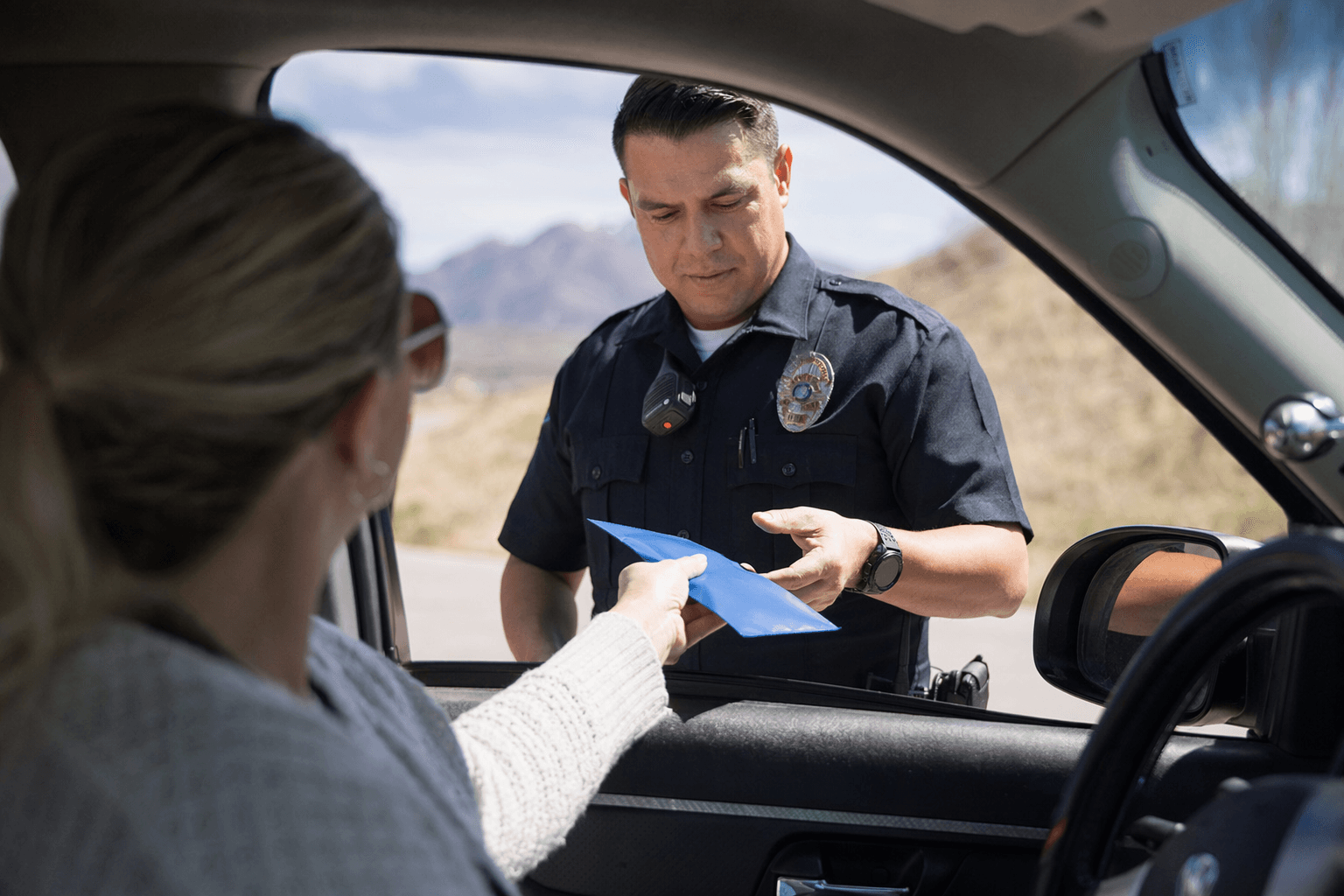
Douglas County’s move fits a broader effort already underway in other states. Connecticut says its Blue Envelope program took effect Jan. 1, 2020, under state law to improve communication between police officers and drivers with autism. In Connecticut, the envelope keeps the driver’s license, registration and insurance card together and includes tips on the outside for handling a traffic stop. New Jersey has also adopted law-enforcement guidance for people with autism spectrum disorder or communication disorders, along with a voluntary driver’s-license designation tied to those conditions.
The need is real. The Autism Society says its First Responder Program is designed to promote safe and equitable interactions between first responders and the autism community, and the organization says about 1 in 5 young adults with autism will interact with a police officer before age 21. For families, that turns a county program into something more immediate: a practical tool for a moment that can shape how a stop unfolds.
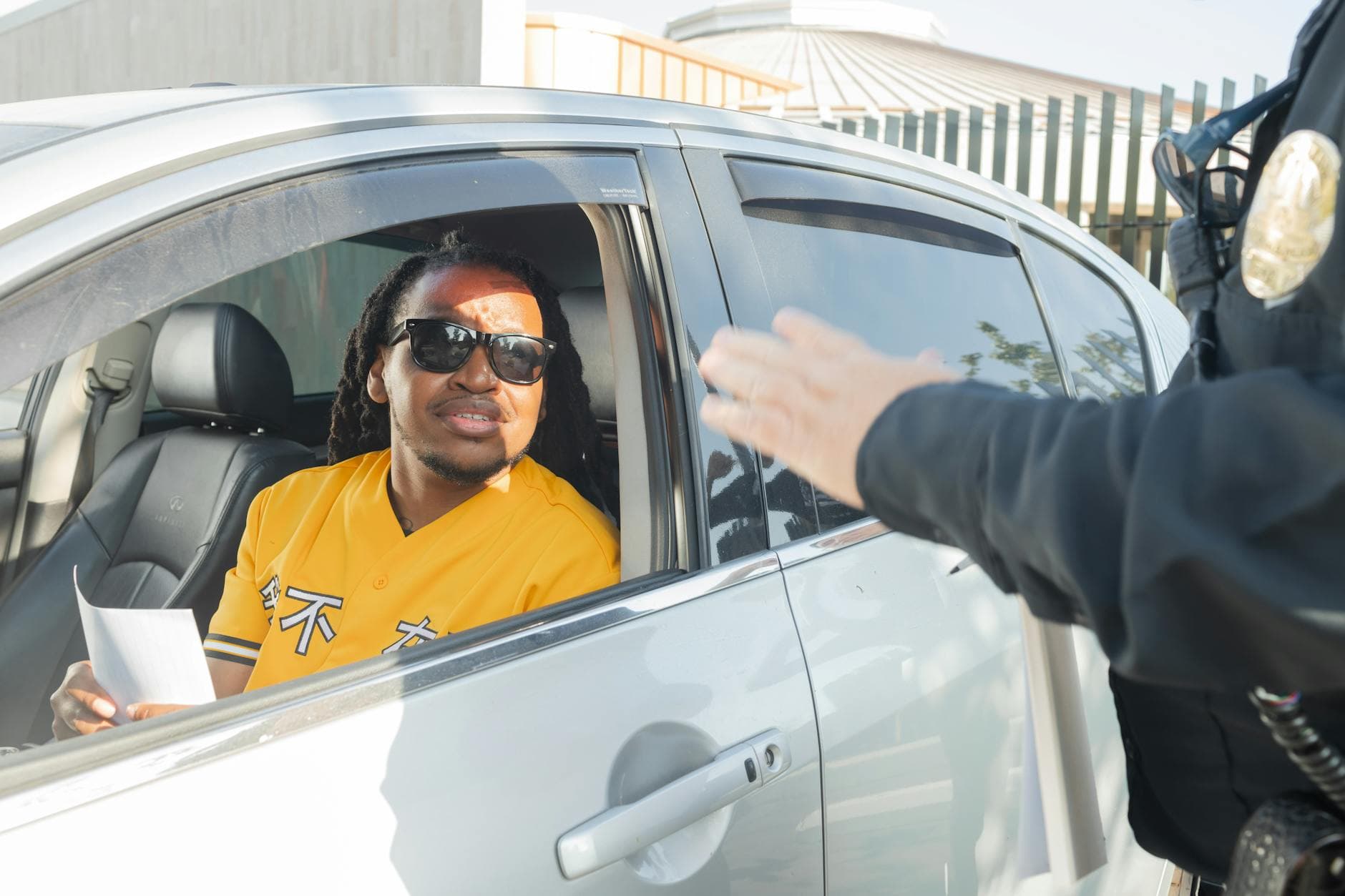
Kansas has grappled with those dangers for years. Joey’s Law took effect July 1, 2017, after Joey Weber, an autistic man, was shot and killed by a Hays police officer during a traffic stop in August 2016. In Douglas County, commissioners heard a sheriff’s office proposal for a first responder assistance program on April 10, 2019, a plan that would have been available to local police departments, Lawrence-Douglas County Fire Medical, dispatchers and other responders. The blue envelope effort builds on that local history with a visible, low-cost step that could make roadside encounters clearer and safer.
This article was produced by Prism’s automated news system from verified source data, official records, and press releases, then run through automated quality and moderation checks before publishing. The system is built and supervised by the people who set the standards it runs under. Read our full AI policy.
Did this article answer your question?