Douglas County launches free private well water testing program
Douglas County began free private well testing for nitrates and bacteria, giving rural homeowners a no-cost check on drinking water and contamination risks.
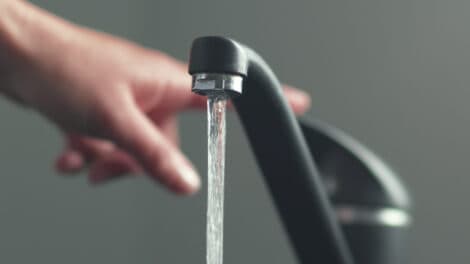
Lawrence-Douglas County Public Health launched free voluntary testing for private wells across Douglas County, giving rural homeowners a chance to check for nitrates, coliform bacteria and E. coli without paying out of pocket. The county health department said the effort was meant to fill a long-standing data gap and give residents a clearer picture of whether their water may need treatment.
The push comes with a practical warning attached: private wells are not regulated, treated or monitored under the federal rules that apply to public drinking water systems. The Centers for Disease Control and Prevention advises private well owners to test at least once a year for total coliform bacteria, nitrates, total dissolved solids and pH. Kansas officials say 7% of Kansans get their water from privately owned wells, making the issue a real one for households outside city systems in places around Lawrence and across the county.
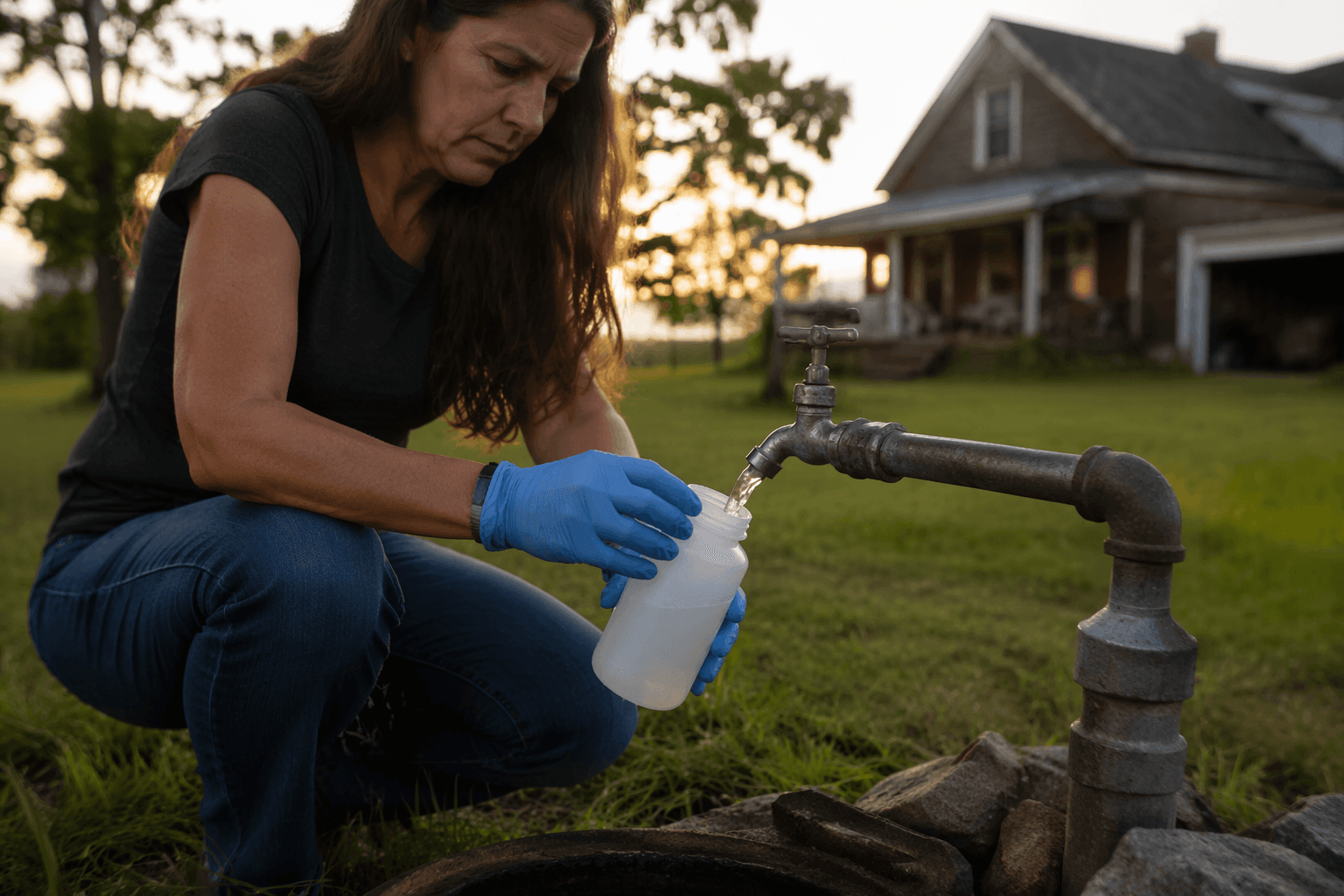
Lawrence-Douglas County Public Health said it had already reached out to about 260 property owners with known private wells, and responses were beginning to come in. Vicki Collie-Akers, the department’s faculty liaison, said the work was needed because Douglas County had not had enough local data to know how many residents tested their wells or how often they did it. Fewer than 10 private wells were sampled in Douglas County between 2024 and 2025 in the Kansas Geological Survey’s statewide program, leaving officials with little county-specific water-quality information.
The local testing program is paired with a short survey asking about the age of the well, the type of well, when it was last tested and what steps the owner takes to prevent contamination. That information will help officials understand not only what shows up in the water, but also whether residents know the basic safety practices that can keep a well from becoming a health risk. If results show a problem, the health department points residents to shock chlorination guidance and information on plugging abandoned wells.
That contamination route matters in Kansas, where the Kansas Department of Health and Environment says there are more than an estimated 250,000 abandoned wells and test holes that should be plugged. Douglas County is not short on well records either: the Kansas Geological Survey’s WWC5 database includes 3,282 records for the county, and a historical geohydrology table lists 436 wells, test holes and springs. K-State Extension says six rural water districts are wholly located in Douglas County, while districts in Franklin, Osage and Jefferson counties serve some parts of the county, alongside the municipal systems in Wellsville and Edgerton.
This article was produced by Prism’s automated news system from verified source data, official records, and press releases, then run through automated quality and moderation checks before publishing. The system is built and supervised by the people who set the standards it runs under. Read our full AI policy.
Know something we missed? Have a correction or additional information?
Submit a Tip