Douglas County Register of Deeds preserves land records, offers e-recording
From house closings to old deed searches, Douglas County’s Register of Deeds is where ownership, liens, and transaction history become part of the public record.
A deed, a refinanced mortgage, an estate settlement, or a neighboring vacant lot ownership check in Douglas County all lead back to the Register of Deeds office. The office is the county’s recording and information center for real estate and the custodian and preserver of land records.
Where to go for property records
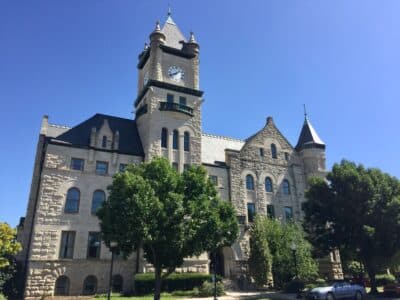
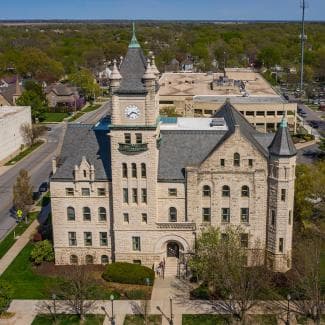
The office is at the Douglas County Courthouse, 1100 Massachusetts Street in Lawrence, Kansas 66044. Public hours are Monday through Friday, 8:00 a.m. to 5:00 p.m.
That courthouse location also serves residents across Lawrence, Baldwin City, Eudora, Lecompton, and the surrounding rural areas. If you need to confirm that a deed was recorded, trace a chain of title, or look up who owned a parcel years ago, this is the county office that holds the official record. Douglas County is in the Kansas Register of Deeds Association’s NE District, and a 2021 association webpage identifies Kent Brown.
How the records help in real life
A buyer may want to verify that the seller’s deed has been recorded and that the mortgage documents made it into the county system. A landlord or small business owner may need to check whether a lien or other instrument appears against a property before signing a lease, financing an improvement, or buying adjoining land.
Estate work is another common use. When a family is settling a Douglas County property after a death, the deed records can show how the parcel moved through prior owners and whether the legal trail is complete. Researchers also use the office to check vacant land before purchase, especially where a parcel has changed hands multiple times or where neighboring ownership is unclear.
Online search tools and fraud alerts
Douglas County’s Landmark Web official records search extends the office beyond the courthouse counter. The system includes a Recording Activity Notification feature labeled as a fraud alert that can help people watch for new activity tied to a name or parcel in the record.
The same search platform comes with a caution. Its disclaimer states the grantor and grantee index is deemed reliable, but its accuracy cannot be guaranteed and it should not be used as a substitute for other records. In practice, that means Landmark Web is a strong starting point, but closing documents, certified copies, and related records still matter when the issue is ownership, title, or a contested transfer.
Why e-recording matters for closings and filings
Douglas County also offers electronic recording, usually called e-recording, and calls it the fastest and most secure way to record documents. Submission can happen remotely, and recording or rejection notices can arrive within minutes for attorneys, title companies, lenders, and others who file documents regularly.
Users enroll through third-party providers, and county materials name Simplifile as one provider. For a home purchase, refinance, or recorded release that has to move quickly, that can shorten the gap between signing and the document actually appearing in the public record.
What paper filings cost
Not every transaction is sent electronically. Douglas County’s paper-recording rules list a first-page fee of $21.00 for deeds, mortgages, or other instruments. Closing costs, probate filings, and other transactions with multiple pages or multiple documents can turn on that fee.
If a transaction will include a deed and a mortgage release, or if a property transfer is part of an estate settlement, recording charges should be part of the budget from the start.
Looking back at older land history
Douglas County’s records are also useful for history, genealogy, and long-range property research. In April 2019, Douglas County announced that nearly 120 years of real estate records were available online after software upgrades in the Register of Deeds office, with access through a free user account and PDF files available as well.
Older deeds can explain how a parcel was split, combined, or passed along over decades. The University of Kansas Kenneth Spencer Research Library holds Douglas County records in its Kansas Collection, and FamilySearch catalogs Douglas County deed records from 1856 to 1917 along with a general index to deeds from 1856 to 1903.
This article was produced by Prism’s automated news system from verified source data, official records, and press releases, then run through automated quality and moderation checks before publishing. The system is built and supervised by the people who set the standards it runs under. Read our full AI policy.
Did this article answer your question?