Douglas County veterans court seeks volunteer mentors for new program
Douglas County’s new veterans court has room for 10 participants, but officials say volunteer mentors are needed to help veterans finish the 15- to 18-month program and avoid new court trouble.
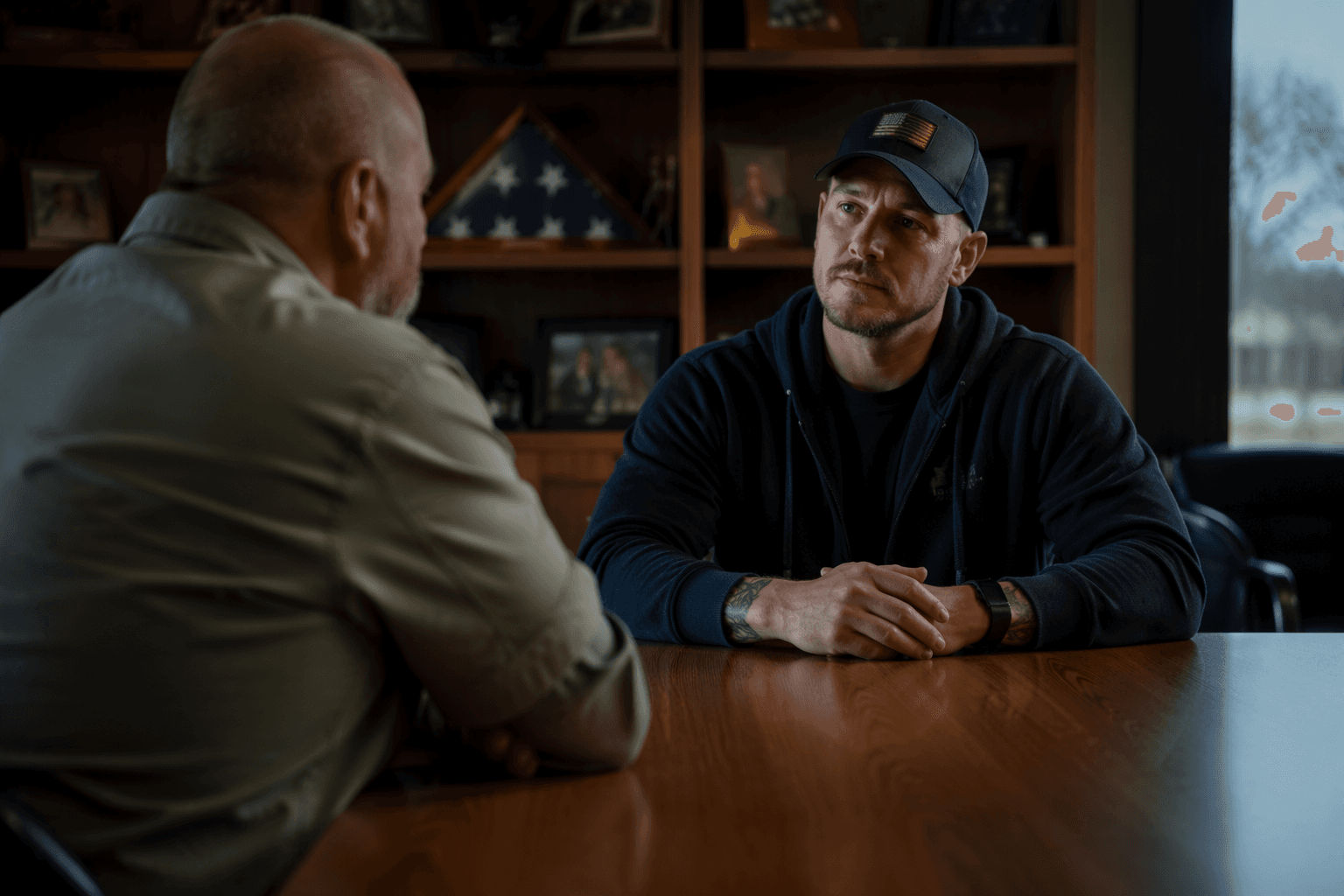
Douglas County District Judge Amy Hanley is presiding over a new court built for up to 10 veterans at a time, and county officials say its success will depend on finding enough volunteer mentors to keep participants on track through a 15- to 18-month program.
The Douglas County Veterans Treatment Court was founded in 2025 and held its first session Oct. 29, 2025. It is a voluntary, post-plea specialty court for U.S. military veterans facing qualifying felony charges and related mental health or substance use issues. Participants move through five milestones before graduation, and county materials say successful completion can lead to charges being dismissed and records expunged.
County officials say the program is funded through September 2029 by a $1 million U.S. Department of Justice grant awarded through the Bureau of Justice Assistance. Douglas County’s court is the sixth Veterans Treatment Court in Kansas, part of a national system that Kansas courts say has grown to 334 veterans treatment courts operating in the United States since 2008.
Mentors are described in the handbook as an essential part of the support team. The county is looking specifically for veteran mentors who can complete a background check and attend court on Wednesdays from 12 to 2 p.m. The mentoring application also asks whether volunteers can provide peer support that can be matched by background, interests, language or community ties.
The court is being built as a collaborative effort involving the Eastern Kansas VA Health Care System, the Seventh Judicial District, contracted defense counsel, the Douglas County Sheriff’s Office, the Lawrence Police Department, Bert Nash Community Mental Health Center, the KU School of Law Veterans Legal Services Clinic and DCCCA. Hanley has said the court can help veterans return to law-abiding lives and benefit their families and the wider community.
County leaders are also pointing to results from other specialty courts as evidence the model works. Douglas County says 78 people have graduated from Behavioral Health Court since 2017, and 28 people have completed Drug Court since 2020. Officials say those outcomes show why filling the mentor pipeline matters now, before the veterans court reaches a bottleneck that could slow completions and push more people back into the system.
This article was produced by Prism’s automated news system from verified source data, official records, and press releases, then run through automated quality and moderation checks before publishing. The system is built and supervised by the people who set the standards it runs under. Read our full AI policy.
Know something we missed? Have a correction or additional information?
Submit a Tip