Judge gives probation to man in fentanyl case tied to overdose death
A Douglas County judge gave Harlan Epps probation in a fentanyl case tied to Justin Jones’ overdose death. The sentence still carries 24 months in prison if he fails.
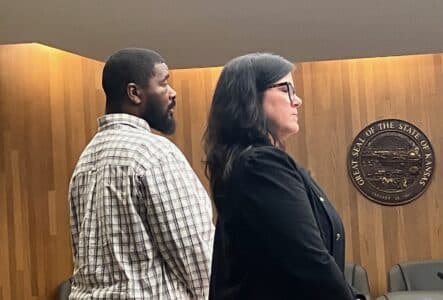
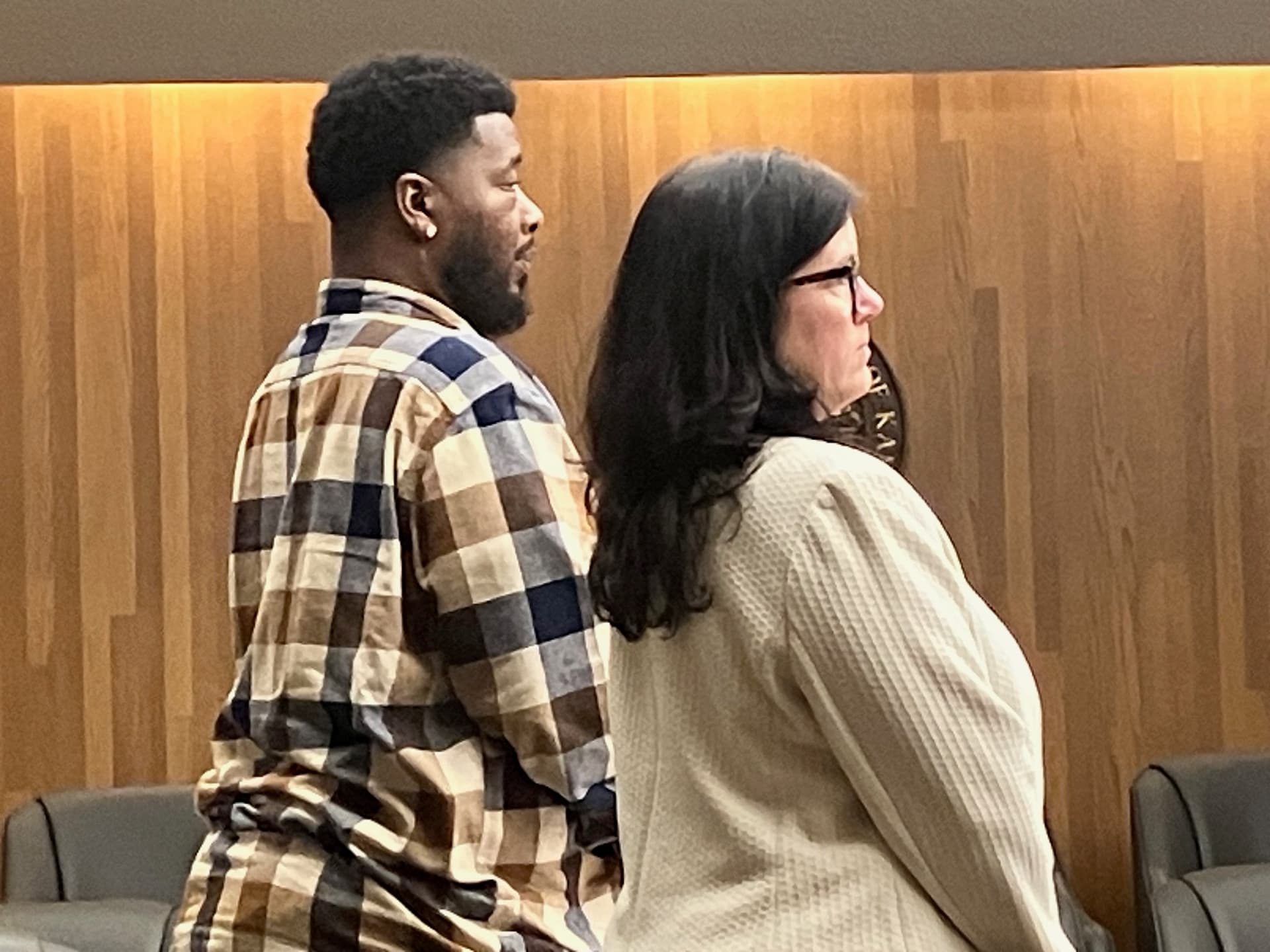
A Douglas County judge spared Harlan Epps prison on Tuesday, giving him 18 months of probation in a fentanyl case tied to Justin Jones’ overdose death after finding community treatment could do more good than incarceration.
Judge Amy Hanley imposed the sentence in Douglas County District Court under a plea agreement that had already been negotiated by the defense and the Douglas County District Attorney’s Office. Epps had originally faced a more serious charge connected to the drug that allegedly caused Jones’ death, but he later pleaded no contest to unlawful distribution of less than one gram of fentanyl. Prosecutor Eve Kemple told the court at the Feb. 6 plea hearing that Jones’ family was “comfortable” with the deal.

The agreement called for a 24-month prison sentence suspended to probation, and Hanley stuck to that framework. She also said Epps’ conduct while the case was pending mattered, and she read aloud a letter from a pretrial-services supervisor who said his compliance during two years of house arrest was “unheard of” in that worker’s experience. Epps did not address the court at sentencing, but Hanley told him the hard part would begin after he left because his future would depend on his own choices. Epps is the father of three daughters.
Because of his criminal history, Epps was in a presumptive-prison, border-box posture on the Kansas sentencing grid, which meant Hanley had to make specific findings before choosing probation. Kansas Department of Corrections records cited prior Wyandotte County convictions from 2007 and 2009 for felony narcotics possession and aggravated escape from custody. Hanley found that treatment programs in the community were available, that they were likely to work better than prison in preventing new crime, and that public safety would be better served over time if Epps were allowed to rehabilitate outside prison.
The sentence still carries real consequences. If probation is revoked, Epps faces an underlying 24-month prison term. He must also pay $820 in costs and fees within six months and register as a drug offender for 15 years, a registration period tied in Kansas guidance to unlawful sale or distribution of a controlled substance. The case has drawn added weight from the earlier testimony of Jones’ fiancée, who said she found him dead at home on June 5, 2023, with a needle in his hand and blue pills beside him, after years of addiction that followed opioid prescriptions for a back injury he suffered as a teenager. Kansas overdose deaths fell from 739 in 2022 to 644 in 2023, but the Epps sentence shows how Douglas County is still weighing accountability, treatment and the reach of the fentanyl crisis in the courtroom.
This article was produced by Prism’s automated news system from verified source data, official records, and press releases, then run through automated quality and moderation checks before publishing. The system is built and supervised by the people who set the standards it runs under. Read our full AI policy.
Know something we missed? Have a correction or additional information?
Submit a Tip