Kansas regents launch pilot for 90-credit bachelor’s degrees
A 90-credit bachelor’s could shave a KU student’s bill by about $20,000, but employers and diplomas are still an open question.
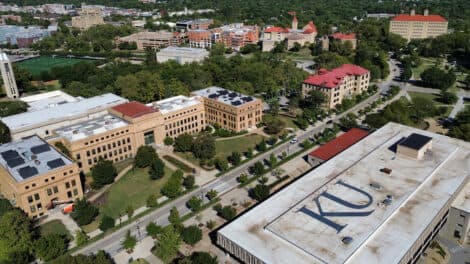
A shorter bachelor’s degree could cut Lawrence students’ costs by a full year, but it is not yet clear whether Douglas County employers will treat it like a standard four-year credential. With University of Kansas tuition and required fees set to top $6,600 a semester next school year, the math is drawing attention fast: one less year on campus could save a student about $20,000 once tuition, room and board are counted.
The Kansas Board of Regents approved a three-year pilot that would let Kansas public universities propose reduced-credit bachelor’s degrees built around as little as 90 credit hours instead of the usual 120. Regents had been studying accelerated bachelor’s programs since last fall, and a task force that met from October 2025 through April 2026 recommended moving ahead with the pilot. The board’s goal is to test whether students can finish faster without losing academic rigor or weakening learning outcomes.
For KU, the proposal could reshape how the Lawrence campus packages degrees for students trying to balance cost, time and job prospects. The university’s tuition calculator assumes 30 credit hours a year, or 15 each semester, which underscores how a 90-credit pathway could shorten time to completion. But the central question for families, advisors and employers remains whether a 90-credit degree will carry the same weight in hiring as a traditional bachelor’s degree.

The Regents built several guardrails into the policy. Any university proposing a reduced-credit program must show strong demand from Kansas employers, stay aligned with the state system’s general education curriculum, and comply with accreditation standards and federal financial aid rules. Regents also said they expect only a limited number of these programs, and only in fields with clear workforce demand.
The naming question is still unresolved. Some want the credential called a bachelor’s degree, while others argue that a degree requiring 25 percent fewer classes should be distinguished from the traditional version. The Board of Regents has not decided how the new degrees would appear on diplomas, transcripts or job applications, and the board itself, not individual universities, will make that call later.

Kansas State University had already sought a 90-credit-hour bachelor’s degree in uncrewed aircraft systems before the systemwide pilot was approved. The broader effort reflects pressure on Kansas higher education as the college-age population falls and instructional costs rise, while state leaders look for ways to make degrees more affordable and more closely tied to jobs in Kansas.
This article was produced by Prism’s automated news system from verified source data, official records, and press releases, then run through automated quality and moderation checks before publishing. The system is built and supervised by the people who set the standards it runs under. Read our full AI policy.
Did this article answer your question?