KU faces state test on DEI, CRT definitions, $2 million at stake
KU could lose $2 million if regents' DEI and CRT definitions miss the mark, putting courses, staff time and Lawrence campus operations under pressure.
KU’s next state-funding test may turn on definitions, but the consequences in Lawrence are concrete: roughly $2 million is on the line, along with the staff time needed to defend courses, rewrite policy and keep state money flowing to the campus.
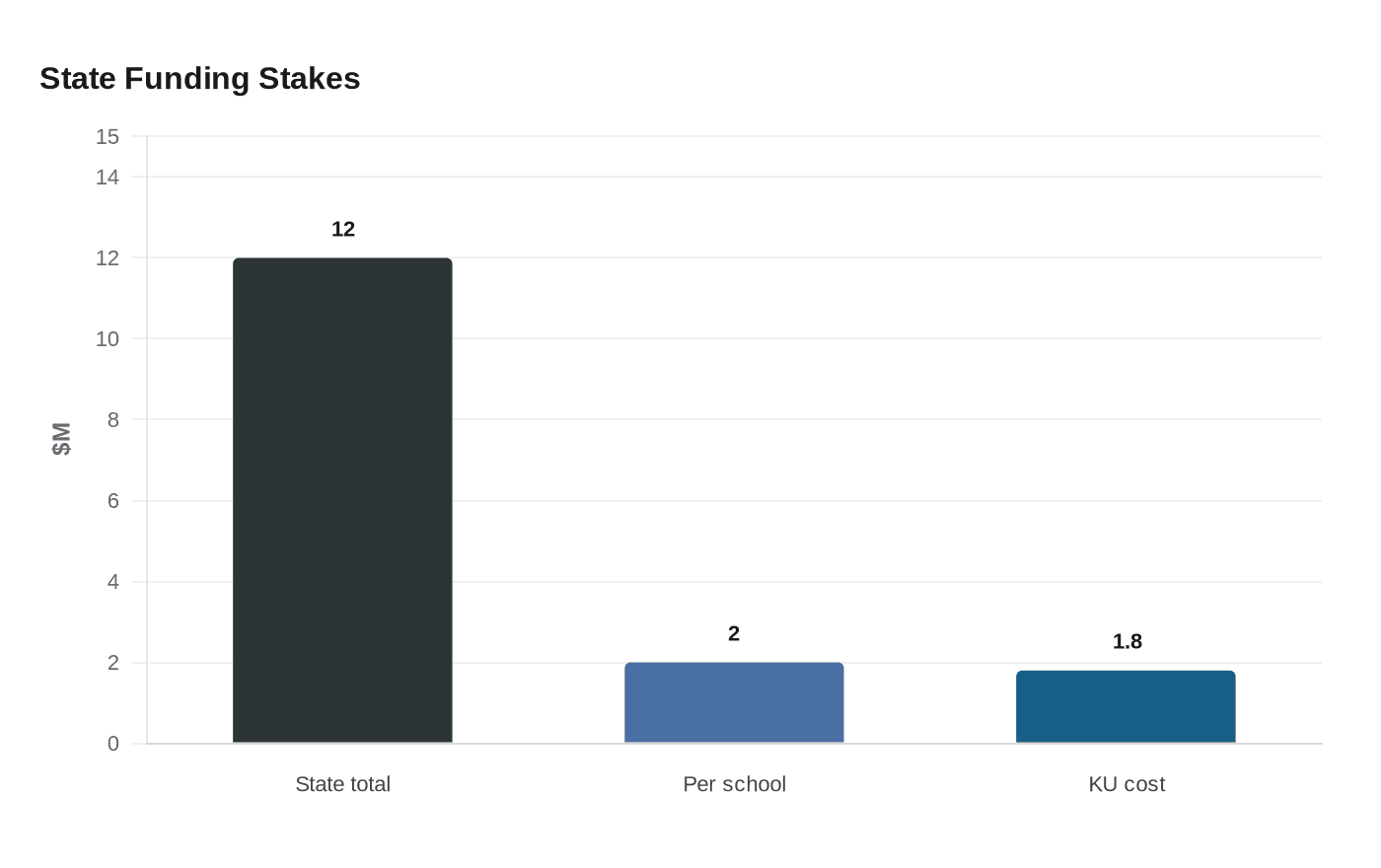
Kansas lawmakers withheld $12 million total in February, or $2 million for each of the state’s six public universities, to push schools to remove diversity, equity and inclusion and critical race theory material from required coursework. The Kansas Legislature then sent the issue to the Kansas Board of Regents, which must define the terms by the end of July. If the definitions and related compliance statements satisfy the State Finance Council, the universities can access the money.

For the University of Kansas, the fight is especially local. KU estimated in a February fiscal note that House Bill 2428 would cost the university $1.8 million in the first year and would likely require the equivalent of 12 full-time employees. That burden would land in offices that review curriculum, coordinate faculty and track compliance, long before the larger question of which programs could be affected is settled.
The pressure has built on top of earlier state directives. In 2025, the Board of Regents ordered public universities to eliminate DEI-related positions, policies, programs, preferences, activities, training requirements and grants or contracts. A KU chancellor memo said the university had already addressed items 1 through 4 of that directive, and that employees had to remove gender-identifying pronouns from signature blocks, webpages, Zoom and Teams IDs and other official communications by July 31, 2025.
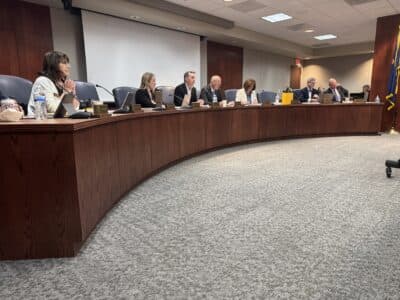
The latest dispute sharpened at the Regents meeting on May 20, when administrators discussed a proposed DEI and CRT definition that drew objections for being too broad in some ways and too narrow in others. Regents General Counsel John Yeary said the language needed revision so faculty could keep teaching sensitive subjects without running afoul of the law. Wichita State Provost Monica Lounsbery said the definition still had to allow students in clinical, science and education fields to learn diversity-related material needed for their careers. Regent Peter Johnston said he wanted narrowly tailored definitions to avoid censorship of legitimate historical and political science study.
The law signed by Gov. Laura Kelly in April prohibits public colleges from requiring students to take DEI-CRT courses, but leaves the terms undefined. Regents must also certify by the end of July 2028 that no Kansas college requires such a course for a degree, except in programs explicitly focused on racial, ethnic or gender studies. For KU, the issue is no longer abstract policy language in Topeka. It is a direct test of how much state politics can shape campus life in Lawrence, from curriculum to hiring to the university’s relationship with Douglas County.
This article was produced by Prism’s automated news system from verified source data, official records, and press releases, then run through automated quality and moderation checks before publishing. The system is built and supervised by the people who set the standards it runs under. Read our full AI policy.
Did this article answer your question?