KU museum ties World Cup welcome to global collections exhibit
KU’s museum has staged a World Cup-linked exhibit with specimens from all eight countries playing in Kansas City. The goal is to draw visitors beyond regular museumgoers and capture tourism dollars.
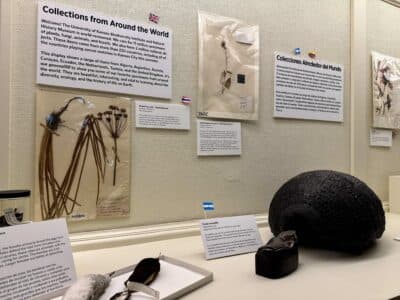
The University of Kansas Natural History Museum is using its own collections as a World Cup welcome mat, betting that a Lawrence exhibit can help the region turn a global sports surge into local traffic.
Collections from Around the World ran May 11 through July 27 at Dyche Hall, with a suggested contribution of $7 per adult and $4 per child. The exhibit was built around specimens from many countries and was timed to greet visitors headed to the Kansas City market for the 2026 FIFA World Cup. KU said the display included biological specimens from each of the eight countries that will play a match in Kansas City, giving the museum a direct tie to the tournament rather than a generic international theme.

That connection matters in Douglas County because the World Cup is expected to draw attention, spending and repeat travel across the metro. Kansas City Stadium is scheduled to host six matches in 2026, including four group-stage games, a Round of 32 match and a quarter-final on July 12. FIFA’s host-city page lists Argentina vs. Algeria, Ecuador vs. Curaçao, Tunisia vs. the Netherlands and Algeria vs. Austria among the group-stage matchups. The stadium, opened in 1972, holds 73,000 and sits in a bi-state metropolitan area that spans Missouri and Kansas.
For KU, the exhibit also serves as a test of whether the university can convert a major regional event into measurable interest at an existing institution instead of waiting for new tourism infrastructure. The Biodiversity Institute and Natural History Museum says its collections hold more than 11 million plant, fungi, animal and fossil specimens, along with 2 million archaeological artifacts. The museum said the exhibit drew from eight research divisions within that collection, using what KU already owns to create a public-facing attraction with international reach.
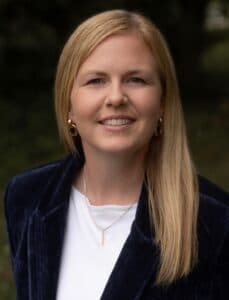
Lynn Ward, KU’s visitor experience manager, is central to that effort. KU says Ward welcomes close to 40,000 visitors a year, overseeing greeting, counting, scheduling and day-to-day public contact at the museum. That makes her role a practical measure of how Lawrence institutions are preparing for the tournament: not by building something new from scratch, but by making existing civic assets feel relevant to travelers who may only pass through once.
This article was produced by Prism’s automated news system from verified source data, official records, and press releases, then run through automated quality and moderation checks before publishing. The system is built and supervised by the people who set the standards it runs under. Read our full AI policy.
Did this article answer your question?