KU researcher says mental health diagnosis needs overhaul after new study
KU researcher Kelsie Forbush says a single missing symptom can block care, and her new veteran study points to a different way to classify mental illness.

A University of Kansas psychologist says the current mental health system can miss people by one symptom, leaving them without a diagnosis even when they are clearly struggling. Her new study on veterans suggests a different model could better reflect how depression, anxiety and eating disorders overlap in real life.
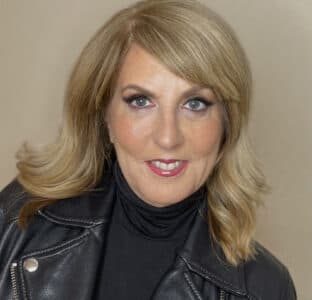
Kelsie Forbush, a KU professor of clinical child psychology and director of the Center for the Advancement of Research on Eating Behaviors, said the problem is built into the way mental illness is often classified. “There are problems with the way we diagnose people with mental health issues,” Forbush said. Her work focuses on diagnostic comorbidity among eating, mood and anxiety disorders, an area that reflects the messy reality many patients and families already know: symptoms rarely arrive in neat categories.

The study used HiTOP, short for the Hierarchical Taxonomy of Psychopathology, rather than the Diagnostic and Statistical Manual of Mental Disorders system that most clinicians still rely on. HiTOP treats symptoms as dimensions that can overlap and vary from person to person, instead of forcing patients into a yes-or-no box. The American Psychological Association has described HiTOP as a dimensional classification system, and the organization has said diagnosis can determine who receives treatment and public assistance.
That is why the stakes go beyond academic debate. Nearly one in five Americans reported having or being treated for depression in early 2026, a reminder that mental health concerns are widespread even as many people still fall through the cracks of diagnosis. Forbush’s study, published in the Journal of Psychopathology and Clinical Science, found success with the HiTOP approach, and KU summaries of the work said its symptom-dimension model may support more precise, personalized care.
The HiTOP consortium was formed in 2015 to push psychiatric classification beyond older DSM and ICD systems, and Roman Kotov of Stony Brook University founded it that year. Stony Brook Medicine says the group aims to gather data, improve HiTOP and spread the model to researchers and clinicians, with the system now ready for practical use.
For Lawrence and Douglas County, the research has local weight because KU is not only producing the work but also shaping how mental health care could be taught and delivered. Forbush previously developed the first screening tool for eating disorders in veterans, and KU said in 2023 that she received a four-year, $4.2 million Department of Defense grant to study eating disorders in active-duty service members. Her latest findings suggest the same question is still pressing: whether the label itself is helping patients get care, or keeping them outside it.
This article was produced by Prism’s automated news system from verified source data, official records, and press releases, then run through automated quality and moderation checks before publishing. The system is built and supervised by the people who set the standards it runs under. Read our full AI policy.
Did this article answer your question?