KU welcomes first international librarian-in-residence from Ghana
KU's first international librarian-in-residence arrived from Ghana, bringing lessons on multilingual service, public programming and global exchange to Lawrence.

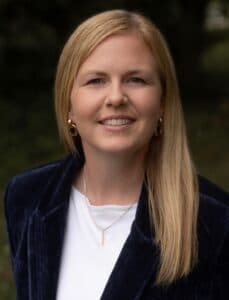
KU Libraries has brought Patience Eméfa Dzandza Ocloo to Lawrence as its first international librarian-in-residence, turning a campus appointment into a test case for how a university library can learn from global practice. She arrived in March from the University of Ghana and is spending part of her research sabbatical at KU Libraries through a program built for collaborative research, teaching and dialogue on global librarianship and information studies.
The residency sits inside the Institute for Globally Engaged Librarianship, or IGEL, which KU says is meant to build global partnerships, professional growth and mutual learning. IGEL already runs Global Partnerships, the Global Engagement Fund, Global Conversations in Librarianship, International Collections Travel Grants and Librarian Exchanges, placing Dzandza Ocloo’s stay inside a larger KU effort to connect Lawrence with librarians and information professionals around the world. Brian Rosenblum directs IGEL, and Carol Smith, selected as dean of KU Libraries in April 2023, now leads the libraries’ research, teaching, inclusivity and global initiatives.

Dzandza Ocloo’s expertise gives the residency its practical weight. University of Ghana profile pages identify her as an associate professor or senior lecturer in the Department of Information Studies, with research focused on information management, information systems and information for development. The university also says her work extends into policy and international information-governance roles, including UNESCO-related expert and advisory work. In Lawrence, that background matters because KU’s libraries serve a campus and community with varied information needs, from international students to multilingual users and residents who depend on public-facing guidance.
She has said that serving diverse societies requires diverse skills, and she plans to study how emerging technologies such as artificial intelligence are changing librarianship. The connection she found between KU Libraries and the Lawrence community stood out to her, even though the institution is university-based rather than public, underscoring how local service can still shape a global professional perspective. Her experience at KU is expected to inform how she thinks about public programming when she returns to Ghana.
The KU-Ghana relationship did not begin with this residency. KU and the University of Ghana co-hosted a June 4, 2025 workshop on international library collaboration at Legon Campus for 40 participants, with Smith, Rosenblum and Kodjo Atiso among the organizers and facilitators. A 2025 KU-Africa digital humanities symposium in Ghana also included participants from both universities, including Dzandza Ocloo. Together, those exchanges show a partnership that has moved well beyond a one-time visit and into a sustained conversation about what libraries can do for their communities.
This article was produced by Prism’s automated news system from verified source data, official records, and press releases, then run through automated quality and moderation checks before publishing. The system is built and supervised by the people who set the standards it runs under. Read our full AI policy.
Did this article answer your question?