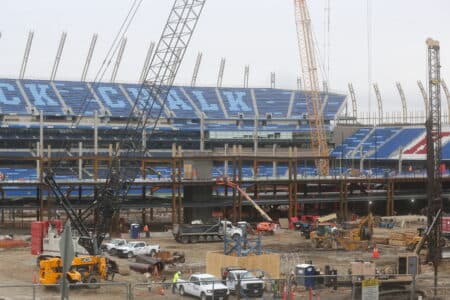
Lawrence approves $35 million bond plan to help Amarr buy plant
Lawrence approved up to $35 million in bonds to help Amarr buy its own plant, with tax payments still flowing and up to 75 jobs tied to the move.
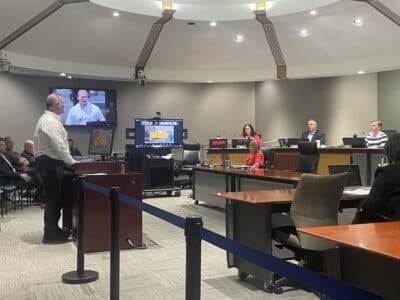
Lawrence leaders approved a financing plan that could help keep a 35-year-old manufacturer in town, but the real question for Douglas County taxpayers is simple: what comes back in jobs, investment and long-term revenue? The Lawrence City Commission voted 4-0 on May 12 to issue up to $35 million in industrial revenue bonds for Amarr so the garage-door maker can buy the 440,000-square-foot building it has been leasing at 3800 Greenway Circle in North Lawrence. Commissioner Amber Sellers was absent.
City staff described the arrangement as conduit financing, not a direct city debt obligation. In plain terms, Lawrence issues the bonds and passes the proceeds to Amarr, but the city does not take on liability for repaying the debt. That matters because the tool lets the city support private investment without putting municipal finances directly on the hook.
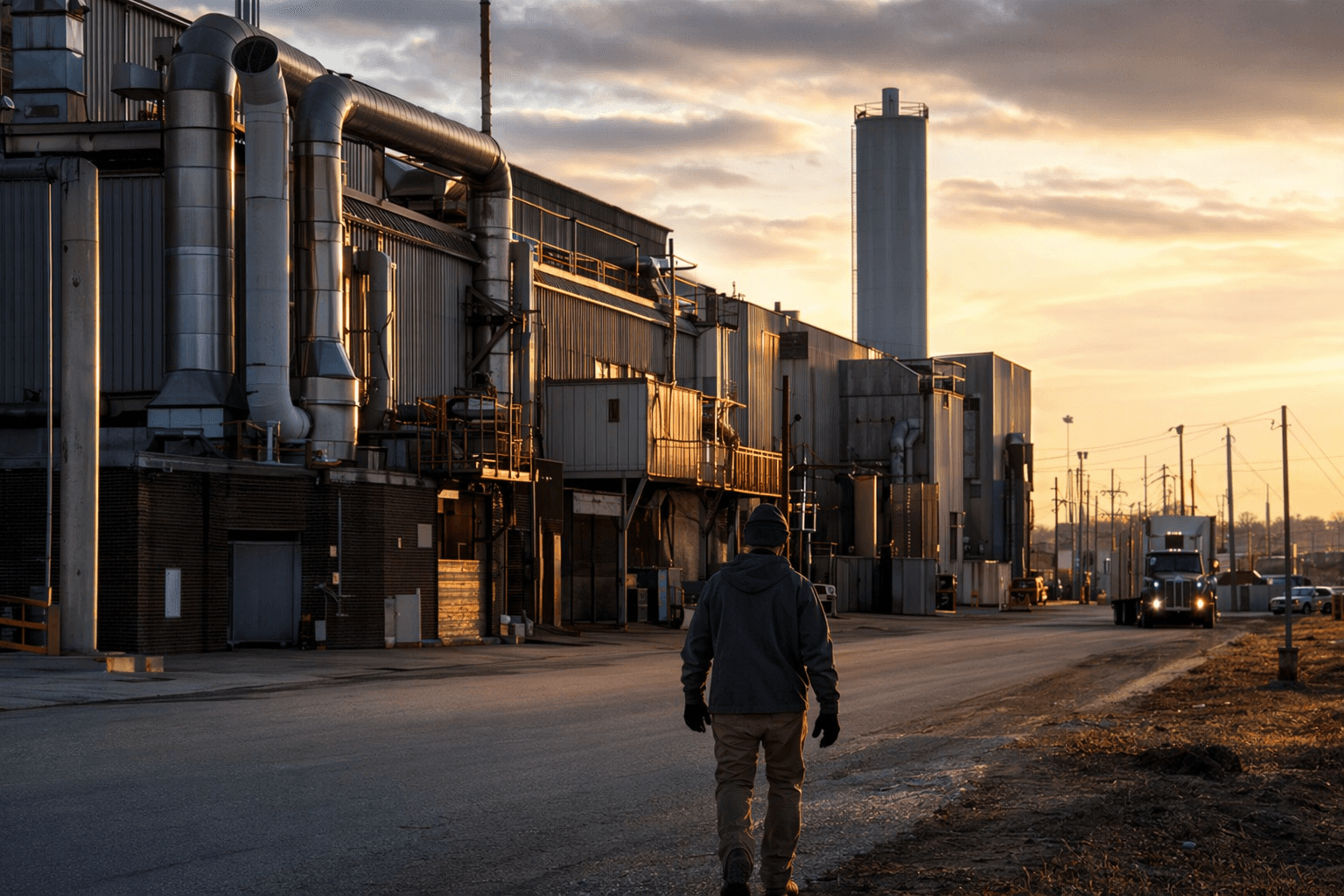
The structure also does not wipe out property taxes. During the 10-year tax-exempt period, Amarr will make special payments in lieu of traditional property taxes, starting at 100% of current tax levels and rising 2.25% a year. Commissioner Kristine Polian underscored that point during the meeting, saying, “We’re not giving away the farm here; they’re still paying property tax.” For local taxing districts, city staff said the payment schedule should provide predictable, stable revenue.
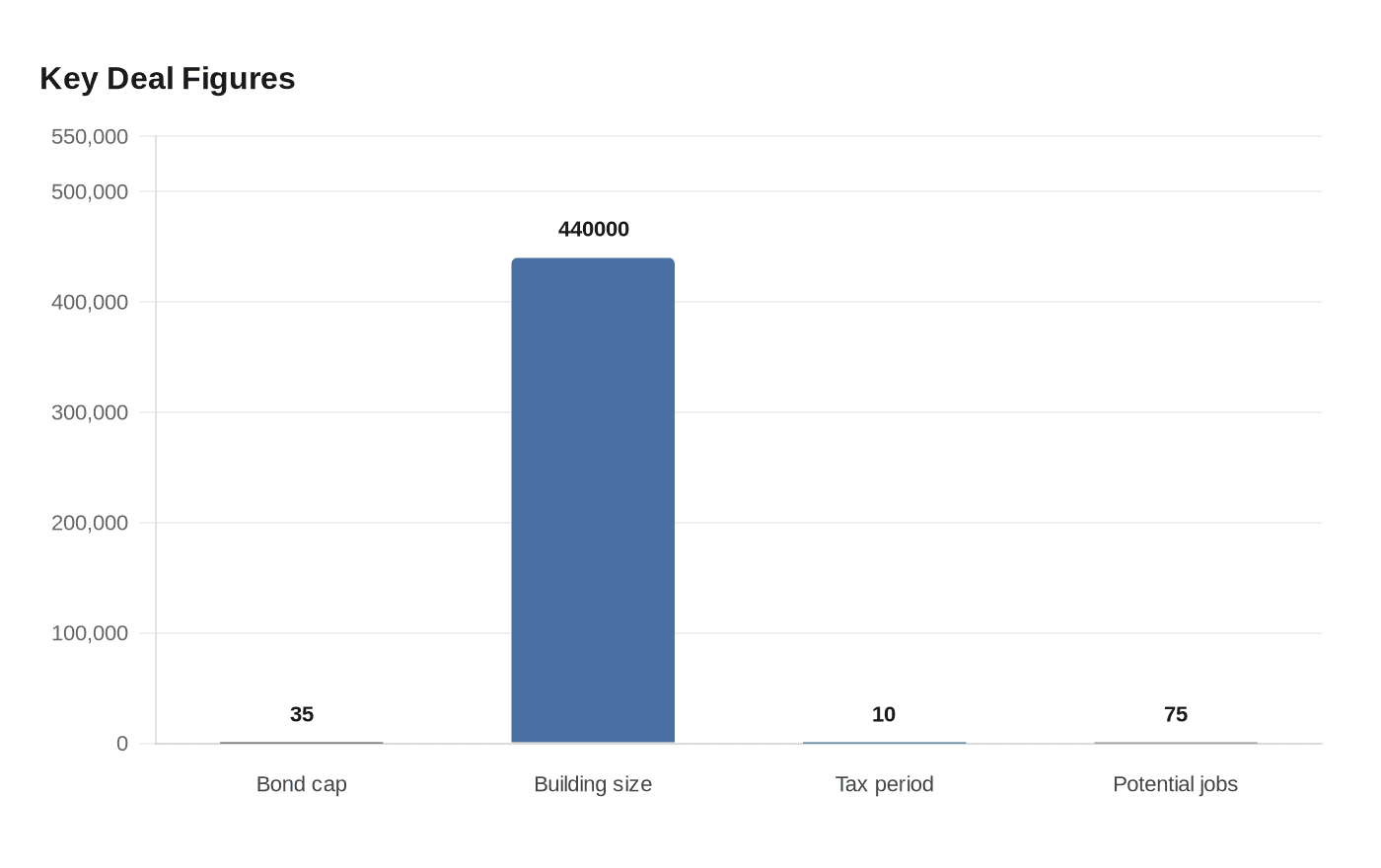
Amarr told city officials the purchase is necessary if it wants to remain in Lawrence and eventually expand. Plant manager Mike Bernholtz said, “This is our home,” and argued the company could not justify major new investment in a building it does not own. The company said the broader expansion could eventually support up to 75 new jobs, a figure residents will likely watch closely as the deal moves forward.
The bond approval comes under Kansas’s Economic Development Revenue Bond Act, enacted in 1961, which allows cities and counties to finance up to 100% of a growing business’s land, buildings and equipment. Lawrence also adopted a revised Economic Development Policy in Resolution No. 7289, which governs IRBs along with other incentives such as property tax abatements, TIF, TDD and CID tools.
For Lawrence, the vote was less about a routine financing item than about whether the city can keep a major industrial employer rooted here while demanding a measurable return. Amarr’s local presence has already extended beyond the factory floor, including work with Peaslee Tech and Tenants to Homeowners on four affordable homes made with garage-door materials. The benchmark now is whether ownership turns into real capital investment, stable payrolls and the added jobs the company says could come next.
Know something we missed? Have a correction or additional information?
Submit a Tip