Lawrence man arrested in Dillons theft investigation, police say since January
A Lawrence Dillons worker was arrested after store investigators flagged alleged losses that police say may have started in January. The case involves up to $100,000 and a west Lawrence grocery store.

A 21-year-old Lawrence man was arrested after an internal investigation at the Dillons on west Sixth Street led store officials and police to suspect he had been stealing large sums of money from the grocery store where he worked.
Police identified the man as Ethan Cade Waters, and Lawrence police spokeswoman Laura McCabe said investigators believed the thefts may have been going on since the beginning of the year. The allegation centered on the Lawrence Ave. Dillons at 3000 W. Sixth St., one of the city’s busiest grocery stops and a store that many west Lawrence residents use for routine shopping.
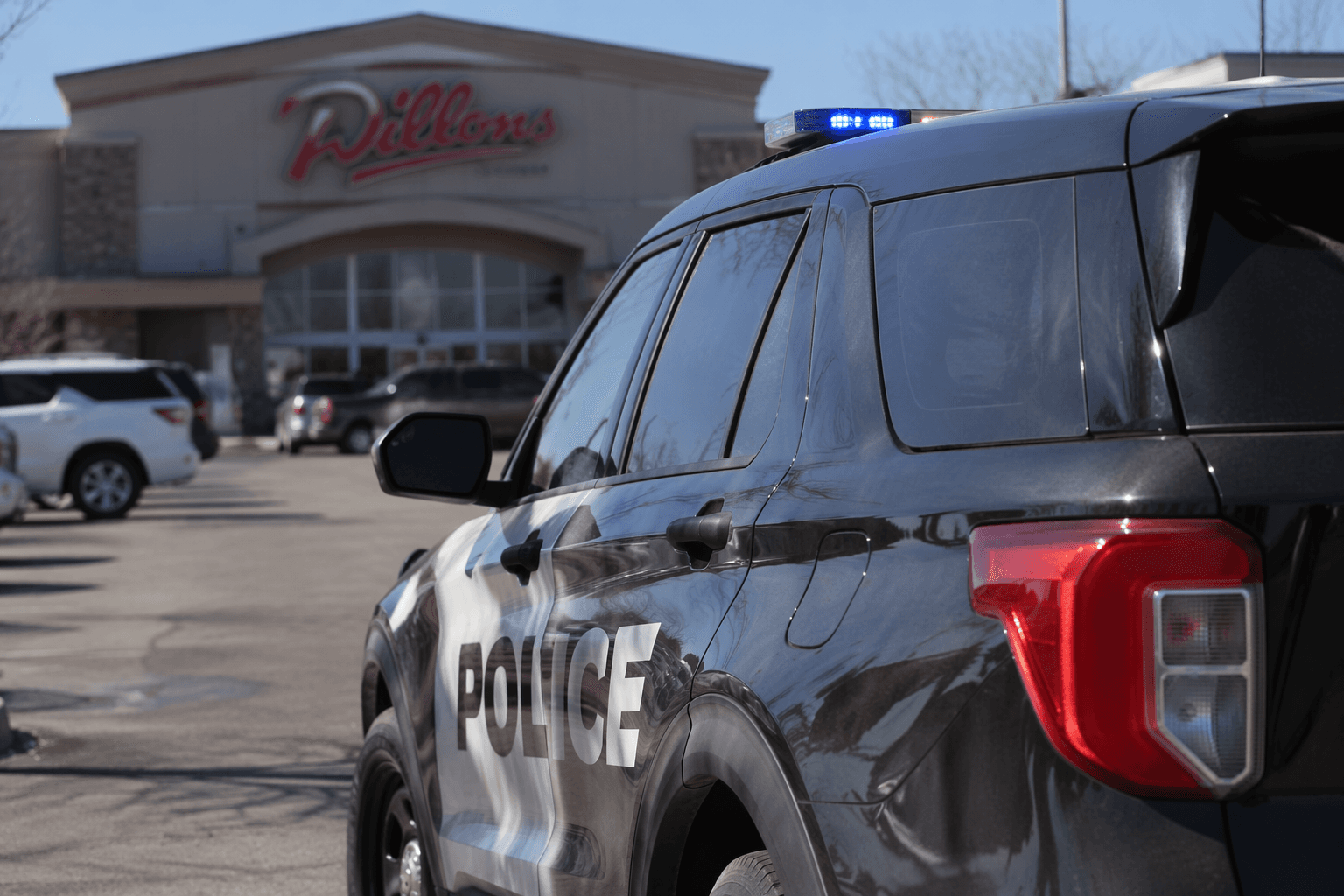
According to the report, the store’s asset manager brought evidence to police after Dillons conducted its own investigation. An officer then arrested Waters. The jail log listed the suspected offense as theft by deception in the amount of $25,000 to $100,000, a range that under Kansas law is a severity level 7, nonperson felony. That dollar figure puts the case far beyond a typical shoplifting or checkout dispute and suggests a loss-control failure significant enough to trigger both company review and a police response.
Waters was later released on a $2,500 cash or surety bond, and an affidavit was submitted to the Douglas County District Attorney’s Office for charging consideration. The office will decide whether to file formal charges based on the evidence gathered by store staff and investigators.

The available reporting did not identify how the money was allegedly taken beyond the theft-by-deception allegation. It also did not say whether any customer transactions, prices or register activity were affected, and no public response from Dillons was included. That leaves the case focused on the store’s own oversight system: the evidence was found internally, then passed to law enforcement, making the arrest as much a test of retail accounting and loss-prevention controls as a criminal case.
Know something we missed? Have a correction or additional information?
Submit a Tip